
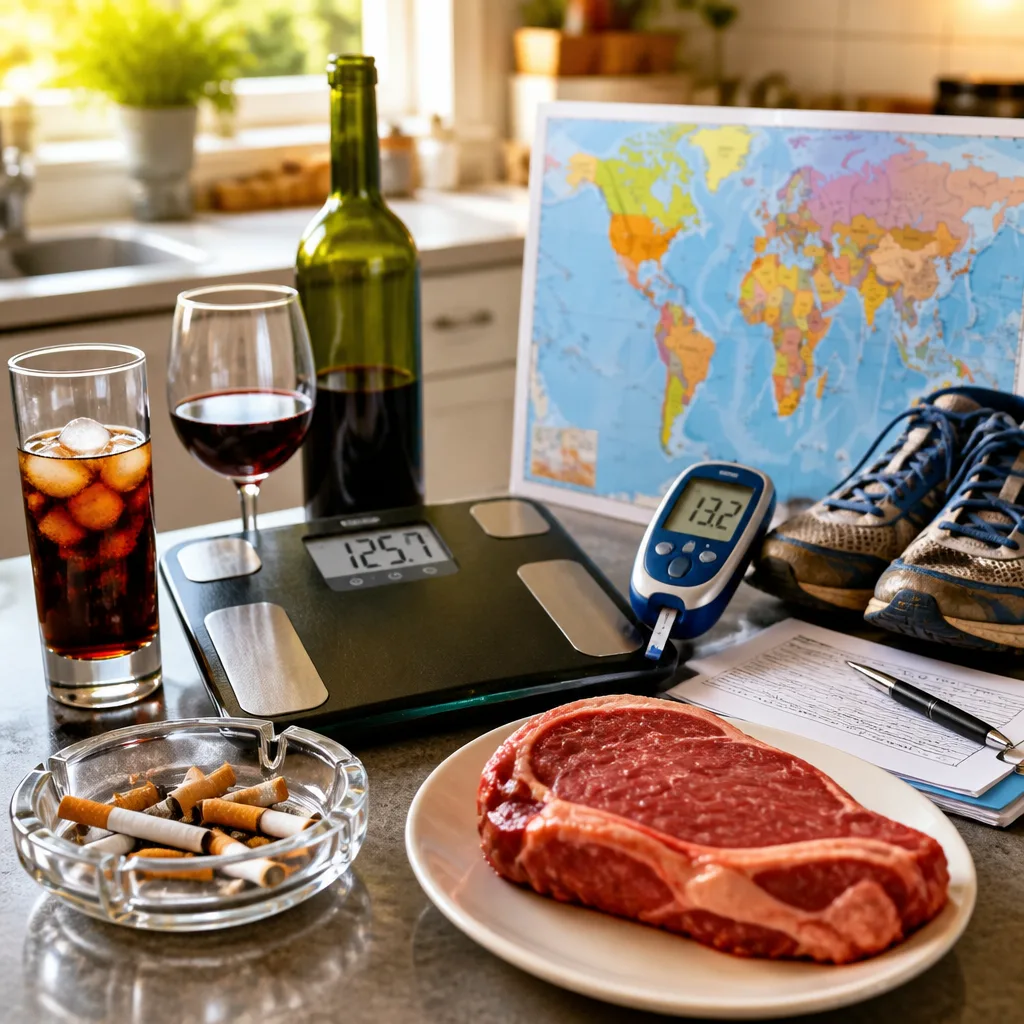
A major international analysis has found that roughly 28% of the global burden of breast cancer is attributable to six modifiable lifestyle factors, highlighting that prevention through everyday choices could play a substantial role in reducing disease impact.
What the study measured
The work, reported as part of the Global Burden of Disease project and published in The Lancet Oncology, reviewed data across 204 countries from 1990 to 2023. In 2023 alone there were an estimated 2.3 million new cases of breast cancer worldwide, a figure the researchers say could rise to 3.5 million by 2050 if current trends continue.
Crucially, the analysis estimates that more than a quarter of the years of healthy life lost to breast cancer are linked to lifestyle exposures that are, in principle, modifiable.
Six habits tied to higher breast cancer risk
The study identified six specific factors, ranked in order of their contribution to healthy life years lost:
- Red meat consumption
- Tobacco use
- High blood sugar
- High body mass index (BMI)
- Alcohol consumption
- Low physical activity
| Rank | Factor |
|---|---|
| 1 | Red meat consumption |
| 2 | Tobacco use |
| 3 | High blood sugar |
| 4 | High BMI |
| 5 | Alcohol consumption |
| 6 | Low physical activity |
What this means for readers
The headline figure — that about 28% of the breast cancer burden is linked to lifestyle — does not imply individual blame. It does, however, emphasise the potential for public health interventions and personal behaviour changes to reduce risk at population level.
This is particularly important for policy makers and health services planning prevention strategies, but also for individuals seeking practical steps to lower their risk. The study highlights some specific areas where changes could have measurable effects.
- Dietary choices: the analysis places red meat consumption at the top of the list of modifiable contributors. That does not mean red meat must be eliminated for everyone, but it strengthens the case for limiting intake, choosing leaner or less processed options and emphasising plant-based foods.
- Smoking cessation: tobacco use remains a major preventable risk factor for many cancers; quitting is one of the most effective steps an individual can take for overall health.
- Metabolic health: both high blood sugar and elevated BMI appear on the list, underlining the role of maintaining a healthy weight and addressing conditions such as type 2 diabetes through diet, activity and clinical care.
- Alcohol and activity: reducing alcohol consumption and increasing physical activity are well-established prevention messages supported by this analysis.
Practical, evidence-aligned steps
For readers wondering where to start, the study supports established, evidence-based prevention measures. Practical approaches include:
- Reviewing diet with a focus on more plant-based meals, reducing processed and red meat portions and increasing fibre intake.
- Seeking support to stop smoking — such as NHS stop-smoking services — which improves cancer risk and wider health.
- Monitoring blood glucose and weight with routine checks and speaking to a GP if levels are high or increasing.
- Cutting down on alcohol and aiming to meet or exceed recommended physical activity guidelines.
The authors’ global approach does not replace individual medical advice; people with a family history or genetic risk factors should continue to consult clinicians about screening and personalised risk management. Nonetheless, the findings add weight to public health policies and everyday actions that can make a difference at scale.
As rates of breast cancer are expected to rise in coming decades, combining population-level prevention with clinical advances and targeted screening will be crucial to limit future harm and preserve healthy life years.














