
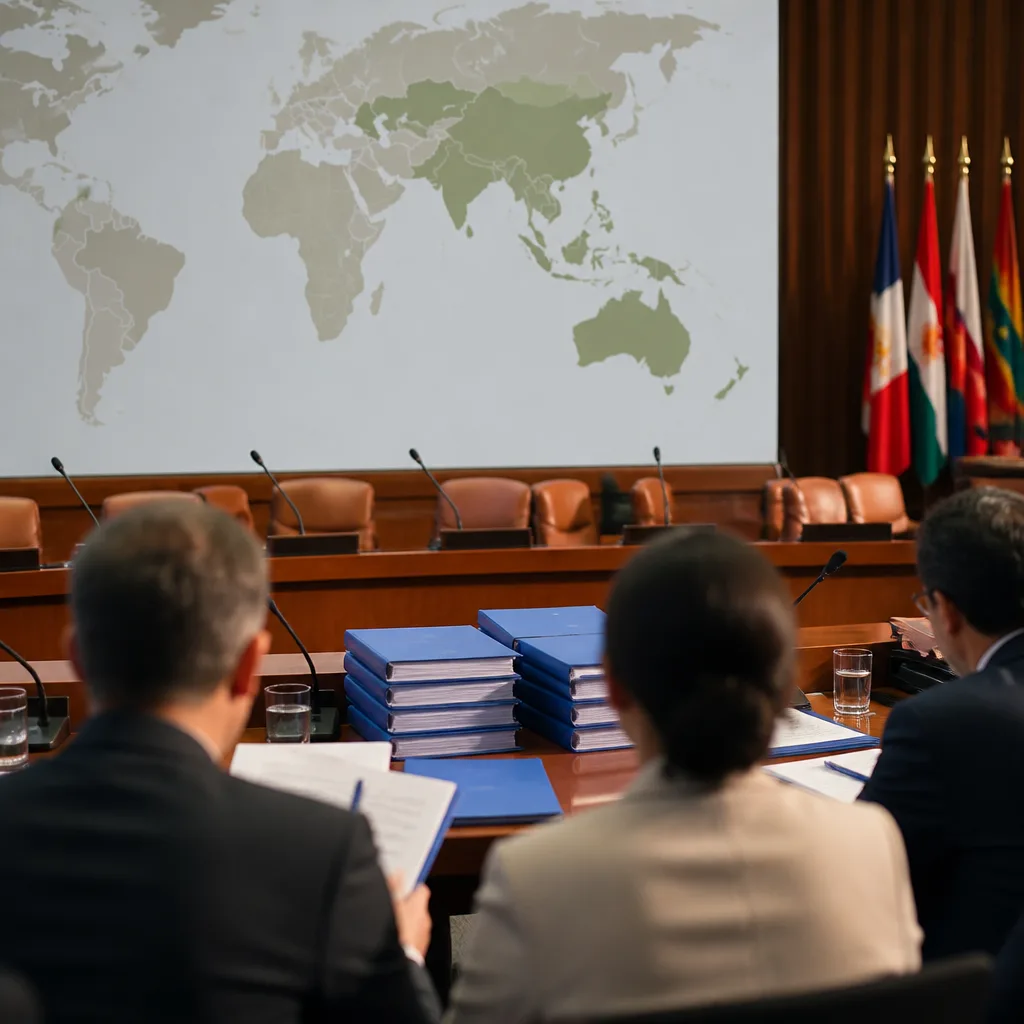
Negotiations on a proposed international convention to criminalise and prosecute crimes against humanity have entered a critical phase, with contention over the scope of national jurisdiction and a patchy level of engagement from Asia‑Pacific governments.
UN process reaches formal negotiations
The United Nations General Assembly’s resolution on the matter has established a formal timetable for talks that could run until 2029 or possibly into 2030. States were invited to comment on the International Law Commission’s draft articles earlier in the year, and in June a batch of proposed amendments from around 65 states plus the European Union was published.
At the centre of the dispute is how the convention should require states to exercise jurisdiction. The draft text includes a provision — identified in the Commission’s materials as Draft Article 7 — that would oblige states to create national criminal jurisdiction for crimes against humanity. Delegations and legal experts differ on the degree of obligation, the permissible bases for jurisdiction and the interplay with other principles of international and domestic law.
Limited participation from parts of Asia‑Pacific
Contributions by states in the Asia‑Pacific region were comparatively limited. Publicly available submissions show:
- East Asia: three contributions
- Southeast Asia and the Pacific (including Australia): three contributions, with no submissions from Pacific island states
- South Asia: two contributions
- Other states in the Asia‑Pacific UN group: six contributions
Observers have noted that capacity constraints and competing priorities help explain the low response rate, but several states with large populations and significant regional influence did not file proposals. Countries that appear not to have submitted comments include Bangladesh, Indonesia, Malaysia, Mongolia, Aotearoa New Zealand, the Philippines and Thailand.
| Region | Number of submissions |
|---|---|
| East Asia | 3 |
| Southeast Asia & the Pacific | 3 (no Pacific island states) |
| South Asia | 2 |
| Other Asia‑Pacific group states | 6 |
Why universal jurisdiction is disputed
Universal jurisdiction — the principle allowing national courts to try certain grave international crimes regardless of where they were committed or the nationality of the accused — is a flashpoint. Proponents argue that it helps close accountability gaps where domestic systems are unwilling or unable to prosecute. Critics warn it risks politicisation, conflicts of jurisdiction and undue interference in sovereign affairs if not carefully circumscribed.
Draft Article 7’s current form would require states to establish criminal jurisdiction for crimes against humanity, but negotiators are divided over the appropriate triggers for exercising that jurisdiction (for example, nationality, territoriality, presence of the accused) and whether there should be mandatory obligations to prosecute, extradite or otherwise cooperate with other states or international courts.
Implications and next steps
The outcome of the negotiations will shape both the legal tools available to pursue accountability for mass atrocity crimes and the practical responsibilities of states’ law enforcement and judicial systems. Key implications include:
- Potential need for legislative reform in national criminal codes to implement any treaty obligations;
- Demand for capacity‑building and technical assistance in states with limited resources to investigate and prosecute complex international crimes;
- Diplomatic friction if the final text is perceived to expand extraterritorial reach or impose intrusive obligations.
Negotiations now move from preparatory stages into formal intergovernmental talks. Observers and rights groups have urged more inclusive engagement, particularly from states in regions that have so far provided limited input. Legal experts say robust defence of the draft articles will be required if the convention is to be effective in preventing impunity while avoiding unintended legal and political consequences.
As the process continues, the balance between universal principles of accountability and respect for national sovereignty will remain the central question for governments and victims’ groups alike.