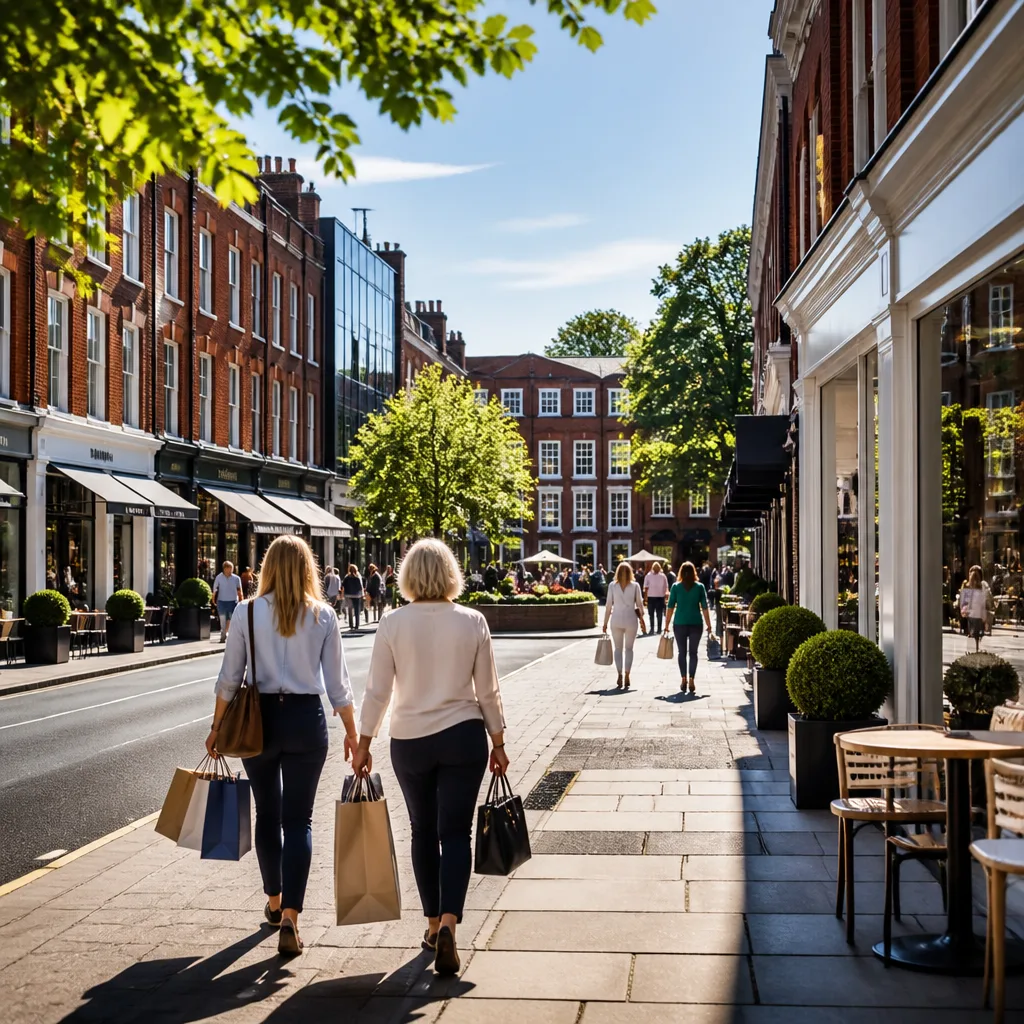
Sloane Street is increasingly being talked about not just as a runway for flagship boutiques but as a place where everyday life and luxury retail coexist. Spanning parts of Belgravia, Knightsbridge and Chelsea, the area draws international shoppers while sustaining a strong residential community that values practical amenities as much as prestige brands.
From trophy shopping to daily routines
The neighbourhood’s appeal rests on two complementary strengths: a concentration of high-end retail that attracts a global audience, and a village‑like atmosphere that serves people who live there year-round. Homes around garden squares and the red‑brick terraces common to the area remain among the capital’s most sought-after addresses, but the street-level offer is equally important for residents.
- Flagship stores and international luxury brands provide an unmistakable global draw.
- Local independent shops and food outlets deliver everyday convenience.
- Recent public realm improvements have made walking and day-to-day life more pleasant.
For families and long-term residents, Sloane Street now reads as both a destination and a neighbourhood. People walk children to local schools, meet neighbours for lunch or pop out for coffee — activities that give the area a quieter, more domestic rhythm beneath its shopping reputation.
Investment and streetscape changes
Institutional investment has played a part in reshaping the street. One major project widened pavements and refreshed the public realm, reflecting a shift in approach: rather than prioritising the spectacle of retail alone, planners and landowners are recognising the value of creating streets that work for people who live there.
| Project | Notable detail |
|---|---|
| Cadogan transformation | £46 million invested to widen pavements and improve the public realm |
Those changes matter in practical ways. Wider pavements encourage walking, reduce congestion and make the street more accessible for prams and people with mobility needs. Better public space also supports cafés, bakeries and independent shops by making them more attractive places to linger.
Why Sloane Street works for different audiences
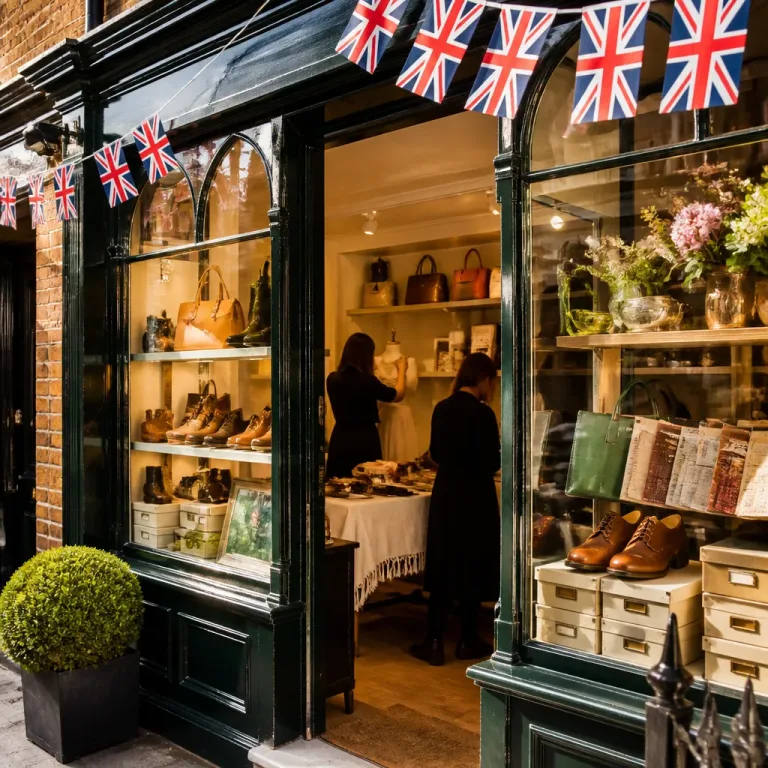
The street’s mixture of uses gives it a rare versatility. High-net-worth visitors and tourists come for the international brands and flagship stores, which maintain Sloane Street’s global profile. At the same time, a curated selection of everyday retailers — bakers, butchers, a cheesemonger, coffee shops and hairdressers — keeps the area useful for people who live nearby.
This balance helps explain why the neighbourhood remains resilient. Luxury retail benefits from having a local customer base that uses services year-round, while residents gain the convenience of high-quality shops on their doorstep. The result is a streetscape that supports both commerce and community.
What readers should take from it
For anyone interested in London living or in how high‑end retail and local life can coexist, Sloane Street is a useful example. It shows that investment in public space and a well-considered retail mix can preserve an area’s prestige while making it more liveable.
Whether you’re considering a move to the area, looking at London’s retail landscape, or planning a visit, expect more than shop windows: Sloane Street now offers a combination of global appeal and practical daily amenities that support a genuine neighbourhood feel.
By focusing on what residents and visitors alike value — convenience, quality and public space — Sloane Street continues to evolve without losing the characteristics that made it an iconic London address.