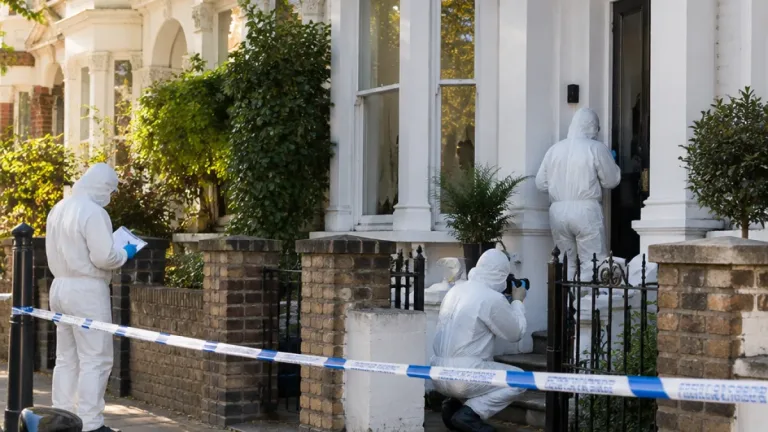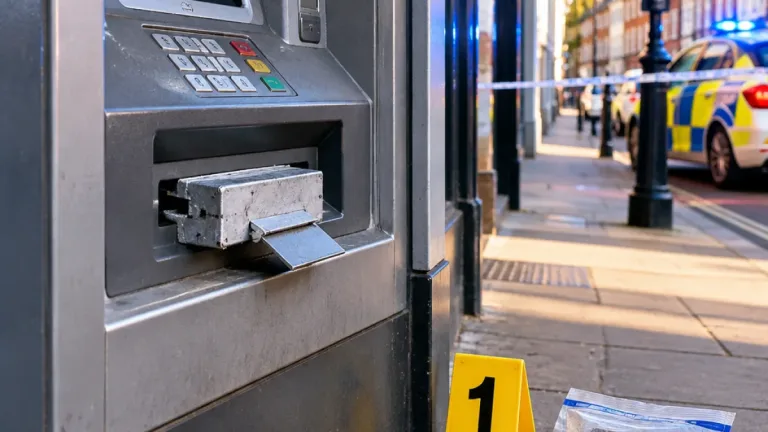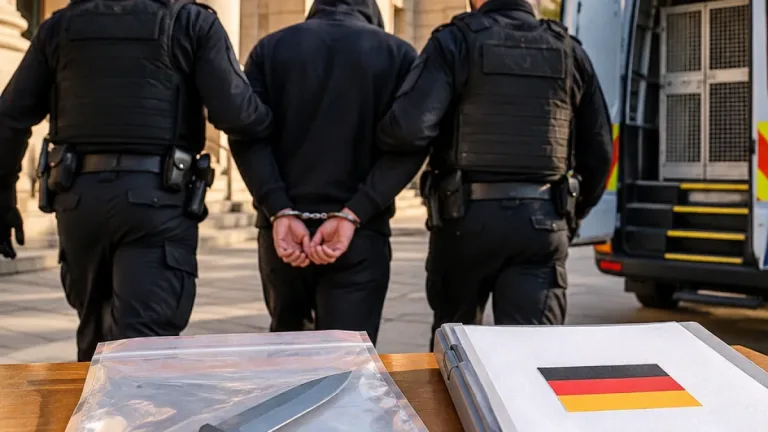
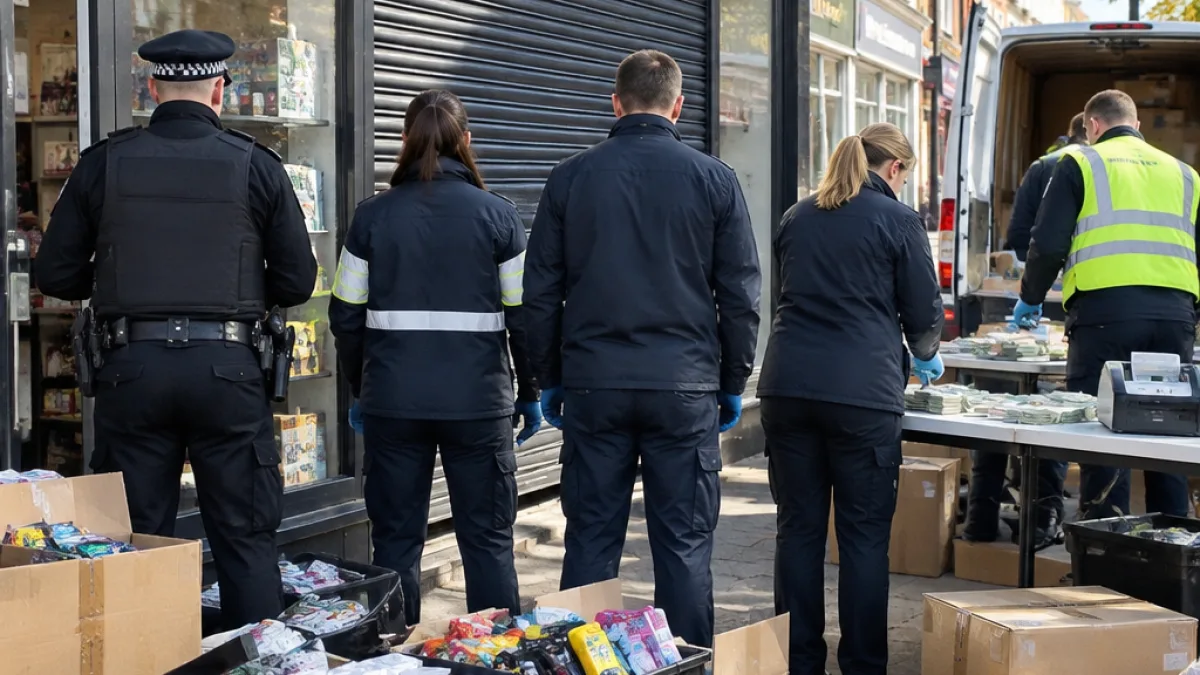
Six people have been arrested during a national enforcement operation targeting businesses suspected of involvement in money laundering and other criminal activity, police and officials have said.
Operation Machinize brought together Thames Valley Police, Trading Standards, HMRC and Immigration Enforcement in a month of action focused on commercial premises across Berkshire, Buckinghamshire, Oxfordshire and Milton Keynes. The operation was joined by Thames Valley’s Police and Crime Commissioner, Matthew Barber.
Authorities said this year’s work concentrated on cash-intensive businesses believed to be linked to suspected illicit activity. Officers and partner agencies also removed a range of goods from circulation, although the source did not provide a financial valuation of the items seized or details of the arrests.
| Operation | Reported results |
|---|---|
| Operation Machinize | Six arrests |
| Agencies involved | Police, Trading Standards, HMRC and Immigration Enforcement |
| Areas covered | Berkshire, Buckinghamshire, Oxfordshire and Milton Keynes |
Goods seized and notices issued
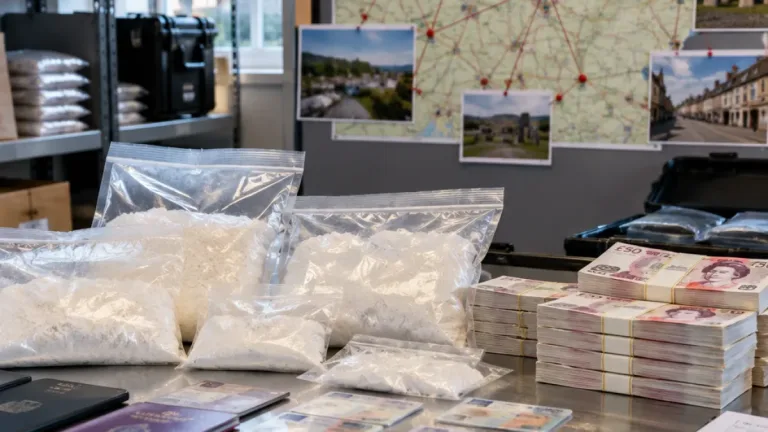
The items taken during the operation included tobacco, single-use vapes, cash, prescription medication supplied unlawfully, electronic goods, alcohol and counterfeit products. The authorities also issued formal notices relating to fire-safety concerns and warnings concerning alleged trademark offences.
The operation’s results do not, by themselves, establish criminal liability for any individual or business. The source gives no information about charges, court hearings or the next steps in the cases. Those arrested should therefore be treated as suspects unless and until allegations are proved in court.
Mr Barber said businesses that operate unlawfully on high streets could damage public confidence, expose consumers to risk and disadvantage legitimate traders. He argued that removing illicit products and disrupting suspected criminal activity could help communities feel safer.
“Businesses operating outside of the law on our High Streets fuel criminality, make people feel unsafe, undermine legitimate businesses and place consumers at risk.”
The commissioner also renewed his call for stronger powers to close premises involved in criminal activity. He said he had worked with colleagues in the House of Lords earlier this year to seek an amendment to the Crime and Policing Bill. According to Mr Barber, the proposed change would have strengthened the ability of police, councils and the courts to shut down criminal businesses more quickly.
Police stress distinction between lawful and unlawful trading
Mr Barber said the Government had blocked the amendment, but added that he would continue to lobby for measures intended to make it easier to close businesses operating illegally. The source does not set out the Government’s reasons for opposing the proposal or indicate whether further legislation is planned.
Superintendent John Batty, head of the Community Policing Command at Thames Valley Police, said the enforcement activity was not directed at high-street businesses generally. He said most companies in the Thames Valley operated within the law and contributed positively to their communities.
“Our aim is to protect those legitimate businesses while disrupting criminals who seek to exploit cash-intensive premises to conceal unlawful activity.”
The operation reflects a multi-agency approach in which enforcement bodies combine their responsibilities: police investigating suspected offences, Trading Standards addressing goods and trading practices, HMRC dealing with tax-related concerns and Immigration Enforcement examining matters within its remit. The reported seizures and notices show the range of issues examined during visits to the premises.
- Six arrests were reported during the month of action.
- Seized items included tobacco, vapes, cash, alcohol, electronic goods, unlawfully supplied prescription medication and counterfeit goods.
- Fire-safety notices and trademark warnings were also issued.
Further decisions in the individual cases will determine whether any suspects are charged and whether matters proceed before the courts. Until then, the operation’s confirmed outcome is limited to the arrests, seizures and notices announced by the agencies involved.