Violent non-state actors are increasingly turning to widely available commercial technologies to plan and conduct attacks, posing a persistent and adaptive threat that is reshaping how governments must think about national security and technology control.
From grand fears to steady erosion of advantage
For decades, official concern focused on the possibility that terrorists and insurgent groups would obtain advanced weapons — including weapons of mass destruction (WMD). Successive national security strategies have flagged that risk since the 1980s. But recent analysis suggests the more immediate and durable problem is not the wholesale acquisition of exotic armaments, but the prolific adoption of common technologies by violent non-state actors (VNSAs).
Intelligence and policy experts trace the emphasis on advanced-threat scenarios back to reforms and strategic reviews in the late 20th century. Those concerns were justified: the catastrophic consequences of WMD in the hands of non-state groups would be enormous. Yet the record over the past quarter-century shows that, while WMD use by VNSAs has been rare, these groups have steadily exploited mainstream technologies to refine planning, logistics and targeting — steadily eroding some of the advantages held by conventional armed forces.
How technology changes the threat profile
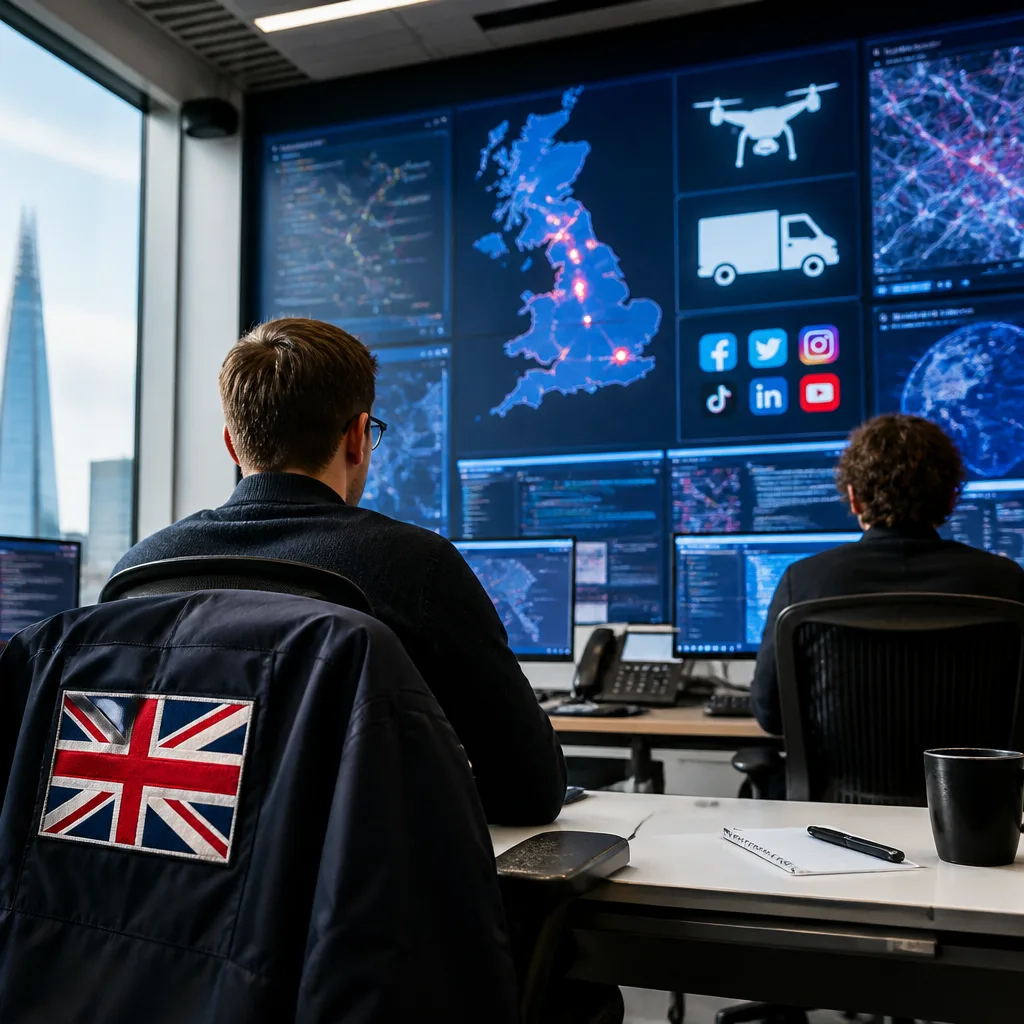
- Accessibility: Commercially available tools — from encrypted messaging to off-the-shelf drones and data services — can be used to coordinate, surveil and strike.
- Adaptability: VNSAs can rapidly incorporate new capabilities, modifying tactics in response to countermeasures.
- Lower barriers to impact: High-consequence outcomes can sometimes be achieved with modest technical sophistication when technologies are combined effectively.
The combination of these factors means that routine and readily accessible technology can be corrosive to national security even when it falls far short of the headline-grabbing prospect of WMD acquisition.
Policy implications and limits of the threat
Analysts argue that governments should maintain vigilance toward catastrophic risks, while recalibrating resources and policy to counter the more prevalent and resilient use of ordinary technology by violent groups. This requires a broader toolkit than traditional arms control or defence postures alone: law enforcement, intelligence, cyber security, export controls and international cooperation all play roles.
At the same time, the analysis notes important boundaries. The feared scenario in which non-state actors routinely acquire and deploy WMDs has not materialised to the extent once predicted. That fact should not breed complacency, but it does suggest a dual-track approach — one that prepares for low-probability, high-impact events while prioritising mitigation of the everyday harms enabled by common technologies.
Practical challenges for regulators and security services
Responding to an adaptive technological threat poses difficult trade-offs. Measures that restrict technology can slow innovation, impede legitimate research and commerce, and raise civil liberties concerns. Conversely, permissive environments can enable misuse. Policymakers must therefore balance:
- targeted controls on technologies with clear dual-use risk,
- improved information-sharing between the private sector and authorities, and
- investments in detection, resilience and rapid response capabilities.
For democracies, the social contract limits the scope of intrusive measures; that makes partnerships with technology companies and stronger international norms particularly important.
What to watch next
Expect continued emphasis on monitoring how everyday technologies are repurposed by hostile actors. Areas likely to attract scrutiny include commercial drones, encrypted communications platforms, open-source intelligence tools, and the supply chains that make advanced components widely accessible.
| Concern | Driver |
|---|---|
| Routine operational capability | Availability of commercial tools and services |
| High-impact but rare scenarios | Persistent interest in WMD and advanced technologies |
Policymakers in the UK and allied states will need to reconcile contingency planning for catastrophic threats with sustained programmes aimed at the more common, corrosive effects of everyday technology misuse. The challenge is not merely technical; it is institutional and political. Getting the balance right will determine how effectively states protect citizens while preserving the openness that underpins modern technology and commerce.