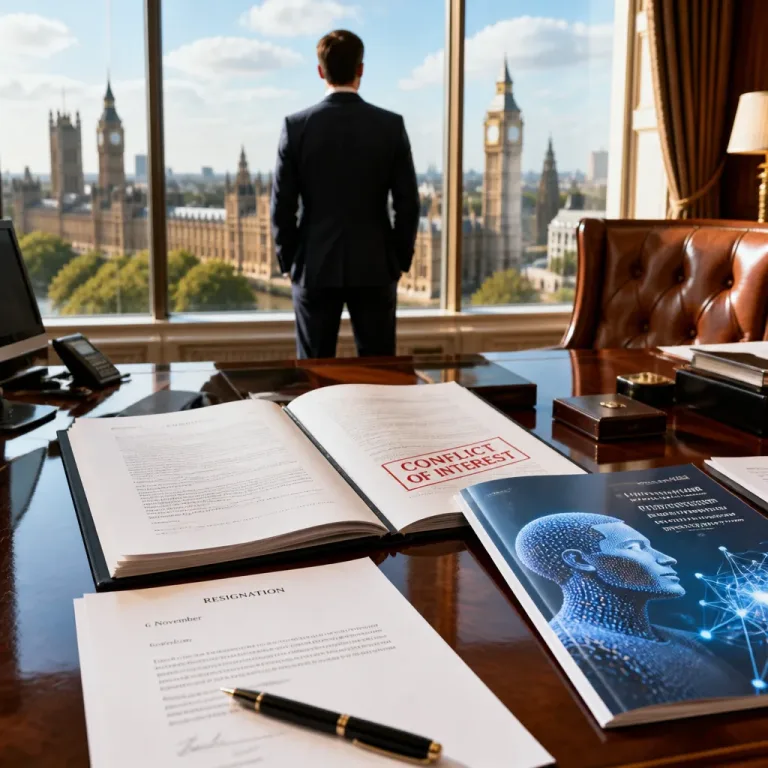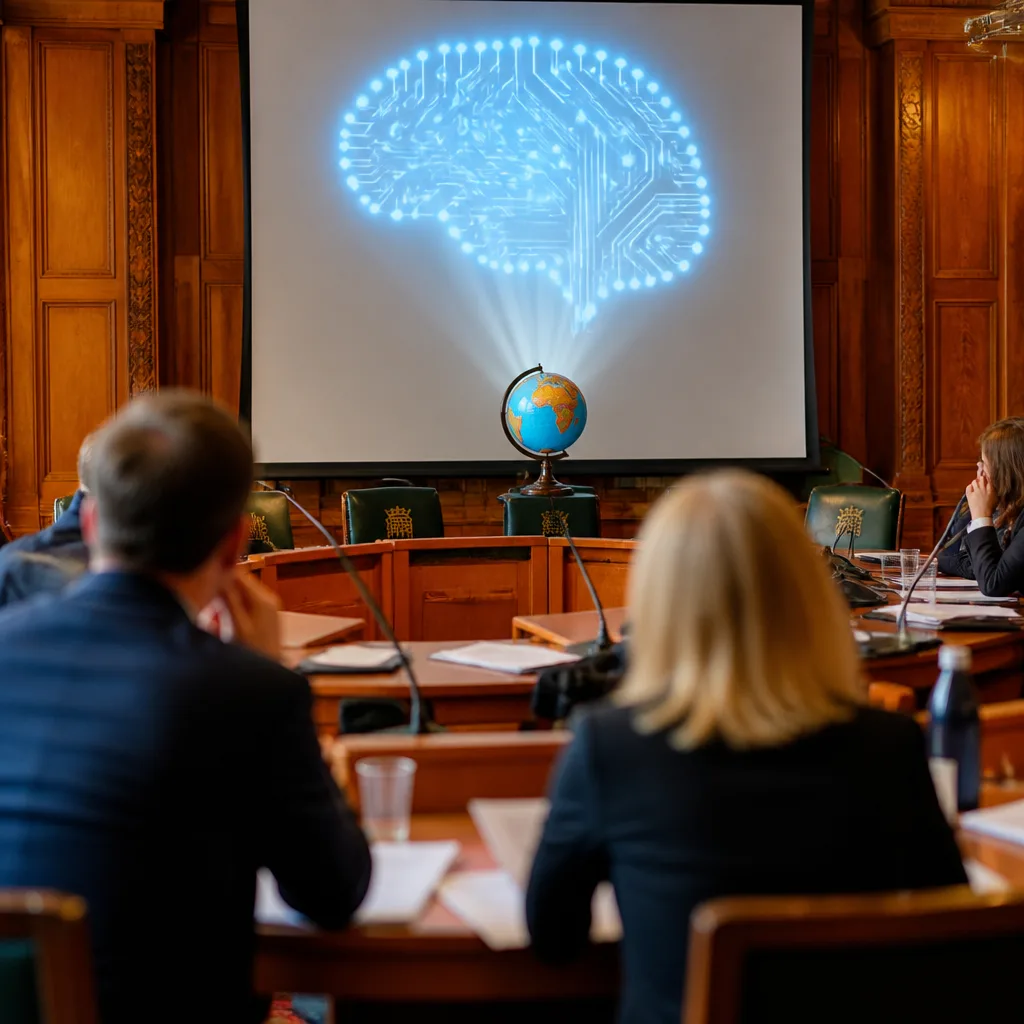
Senior figures and researchers told UK parliamentarians this week that the development of artificial superintelligence (ASI) could carry catastrophic risks, with one senior AI worker stating a belief that there is a greater than 10% chance the technology could "kill all humans" within a decade. The testimony came as MPs and peers began discussing new measures to curb the technology and a bill was tabled that would ban the creation of ASI.
High-profile warnings at Westminster
The session, convened by the campaign group Control AI, brought together voices across defence, civil society and academia. Testimony highlighted comparisons between the potential danger from ASI and the destructive power of nuclear weapons. Among those raising the alarm were Des Browne, the former defence secretary, and Professor Stuart Russell, the Berkeley computer scientist known for his work on AI safety.
Beatrice Fihn, who led the International Campaign to Abolish Nuclear Weapons and won the Nobel peace prize in 2017, told parliamentarians that previous technological breakthroughs with existential consequences provided a precedent for concern.
"It is not the first time we’re confronted with abilities that could end up killing us all."
Industry insiders voice alarm
The session also highlighted unease from inside the AI industry. A senior employee at the company Anthropic reportedly said they believed the risk of human extinction from ASI within ten years exceeded 10%. Separately, Jacob Coxon, a researcher who resigned from Anthropic having previously worked at OpenAI, said that staff at his former employer felt they were "locked in a race to get there first" and that risks were well understood but not sufficiently managed.
On social media, Evan Hubinger, described as alignment science lead at Anthropic, reposted commentary by Coxon that echoed concerns about the pace and coordination of development in the sector.
Parliamentary response and proposed legislation
The warning session took place as Labour MP Alex Sobel tabled a bill aiming to ban the creation of ASI. Control AI, which organised the session, is pushing for international regulation of the technology and has called for stronger legal controls to prevent uncontrolled developments that could pose existential threats.
Details of how a ban would be defined, policed or enforced were not discussed in depth in the testimony available to the press, and companies named in the session, including Anthropic and OpenAI, were approached for comment.
- Who spoke: Former defence minister, Nobel laureate, leading AI academics, industry insiders.
- Key claim: Some witnesses say there is a substantial non-negligible chance — cited as >10% — that ASI could pose existential risks within a decade.
- Action under way: A bill to ban ASI has been tabled; debate and calls for international regulation are ongoing.
What this means for policy and industry
The testimony exposes a growing rift between those urging rapid regulatory intervention and industry researchers who argue for managed development, or who warn against premature limits that could push work underground or abroad. The session also underlines the difficulty policymakers face: balancing innovation and economic opportunity against yet-to-be-quantified risks that some regard as potentially existential.
Critically, the numbers cited — including the >10% figure referenced by at least one industry worker — are subjective judgements rather than empirical forecasts. They reflect the personal assessments of experts and insiders rather than consensus estimates from a broad scientific or security community. Nonetheless, such statements carry political weight when delivered in parliamentary settings.
| Actor | Position or action cited |
|---|---|
| Des Browne | Warned of risks comparable to nuclear weapons |
| Prof Stuart Russell | Raised concern about ASI dangers to MPs and peers |
| Beatrice Fihn | Compared ASI threat to past existential technologies |
| Anthropic employees (Evan Hubinger) | Shared concerns about timing and alignment |
| Jacob Coxon | Resigned, cited a race to develop ASI and insufficient safeguards |
The coming weeks are likely to see more detailed scrutiny from select committees and further debate on whether a legislative ban on ASI is feasible or desirable. For policymakers, the immediate questions are procedural and practical: how to define ASI in law, how to measure and verify capabilities, and how to coordinate with international partners to avoid a jurisdictional race that could undermine safety objectives.
Whatever the outcome, the parliamentary session confirmed that the debate has moved from speculative academic discussion to the centre of national policymaking — and that some inside the field are now prepared to put stark probabilities on the table when addressing lawmakers.