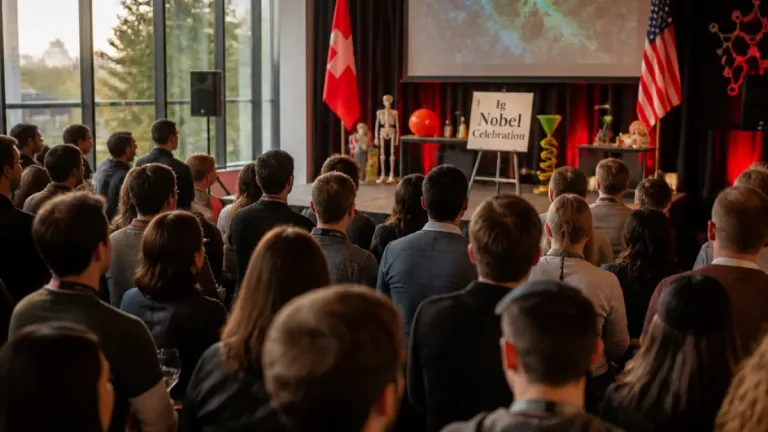
Science museums will need to reconceive what they collect, how they tell stories and the roles they play in public life as artificial intelligence transforms everyday life, a salon in Beijing concluded this month. The event, hosted by the China Science and Technology Museum, brought together curators, writers and architects to imagine the museum of 2050 and the challenges posed by a fast-moving technological landscape.
From objects to explanation: the curatorial dilemma
Speakers included Glyn Morgan, the Science Museum in London's head of collections and principal curator, science fiction writers Cheng Jingbo and Jiang Bo, Ji Shaoting of the Future Affairs Administration and interdisciplinary architect Ye Cheng. Together they framed a central question: how should institutions that traditionally interpret tangible artefacts convey scientific ideas that are increasingly abstract, distributed and digitally mediated?
"because science and technology are vast, with a lot of material and content, yet it is quite abstract"
The remark, from Ye, summarises the curatorial problem identified at the salon. Science and technology collections can run into two opposite errors, the speakers argued: treating exhibitions as showrooms for products, or becoming overly didactic and dogmatic in their explanations. A third risk is privileging artistic or interactive experiences at the expense of substantive science.
Engaging families, connecting to everyday life
There was praise for the China Science and Technology Museum's efforts to attract families and young people. Glyn Morgan noted that the museum succeeds in linking scientific ideas to everyday life and in inspiring young visitors to imagine they can influence the future. Other contributors emphasised that contemporary museums already balance cutting-edge technology with basic sciences and function increasingly as social venues.
- Audience engagement: museums must reach families and young people, not only specialists.
- Balance of content: exhibitions should reflect both fundamental science and technological achievement.
- Formats and futures: salons and public forums can help museums test narratives about emerging technologies such as AI.
The salon used 2050 as a focal point for speculation: a useful heuristic rather than a prediction. Contributors drew on visits to the China Science and Technology Museum and on their professional experience to propose practical and conceptual shifts for curators wrestling with an accelerating pace of innovation.
| Contributor | Role | Main point |
|---|---|---|
| Glyn Morgan | Head of collections, Science Museum (London) | Emphasised family engagement and making science feel actionable |
| Ye Cheng | Interdisciplinary architect | Warned about the abstract nature of science and the risks of simplistic curation |
| Ji Shaoting | Founder, Future Affairs Administration | Noted shift from one-way knowledge transfer to social, mixed-format exhibitions |
| Cheng Jingbo & Jiang Bo | Science fiction writers | Contributed narrative and imaginative perspectives on future exhibitions |
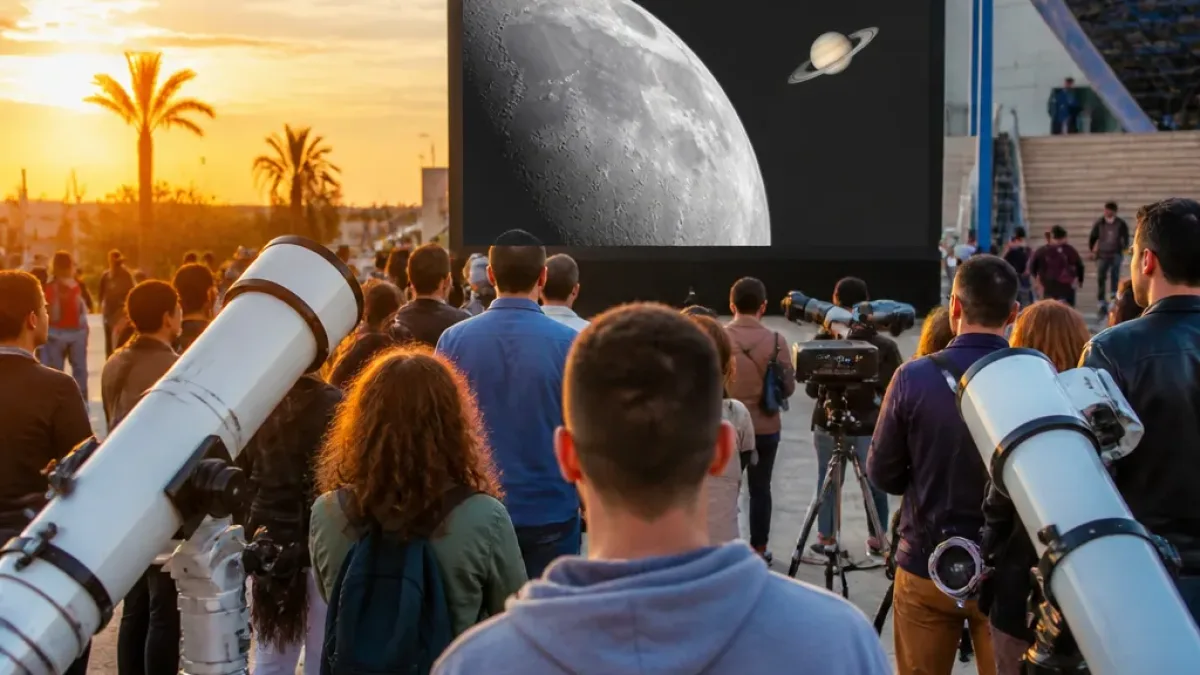
Speakers reflected on how museums have traditionally showcased technological achievements with visually arresting themes such as space exploration. Such displays remain important, but the salon argued for a deeper engagement: exhibitions that explain processes and systems, illuminate trade-offs and uncertainties, and invite visitors into conversations about the values and choices that shape technological change.
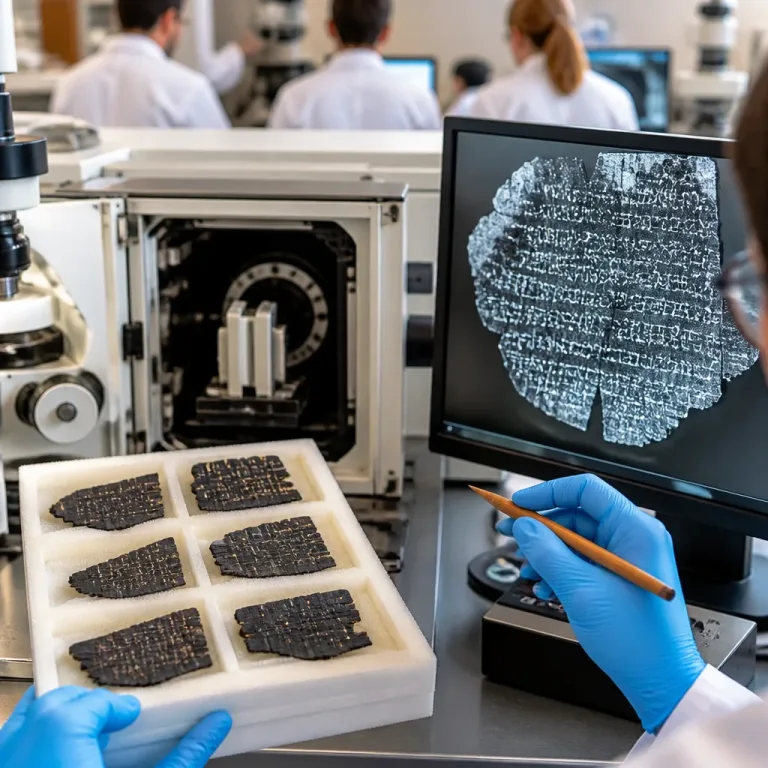
That ambition raises practical questions. How should museums interpret algorithmic systems, machine learning models or distributed digital platforms as tangible museum content? What does stewardship mean for non‑physical objects, data and processes? The salon did not resolve these issues but highlighted the need for new curatorial vocabularies and partnerships across science, design and storytelling.
For UK institutions, the discussion has immediate resonance. The Science Museum in London is already a global reference point for public science engagement; its head of collections speaking at an international forum underscores the transnational nature of the challenge. As AI becomes more embedded in everyday services and governance, museums will face growing demand to explain not only what technologies do, but how and why they do it—and who benefits.
Those tasks require museums to evolve their methods as much as their displays: incorporating interactive debate, commissioning speculative narratives from fiction writers, and collaborating with technologists to make abstract systems intelligible. The salon in Beijing suggested the museum of 2050 will be less a cabinet of curiosities and more a public laboratory for understanding the choices that shape our technological future.