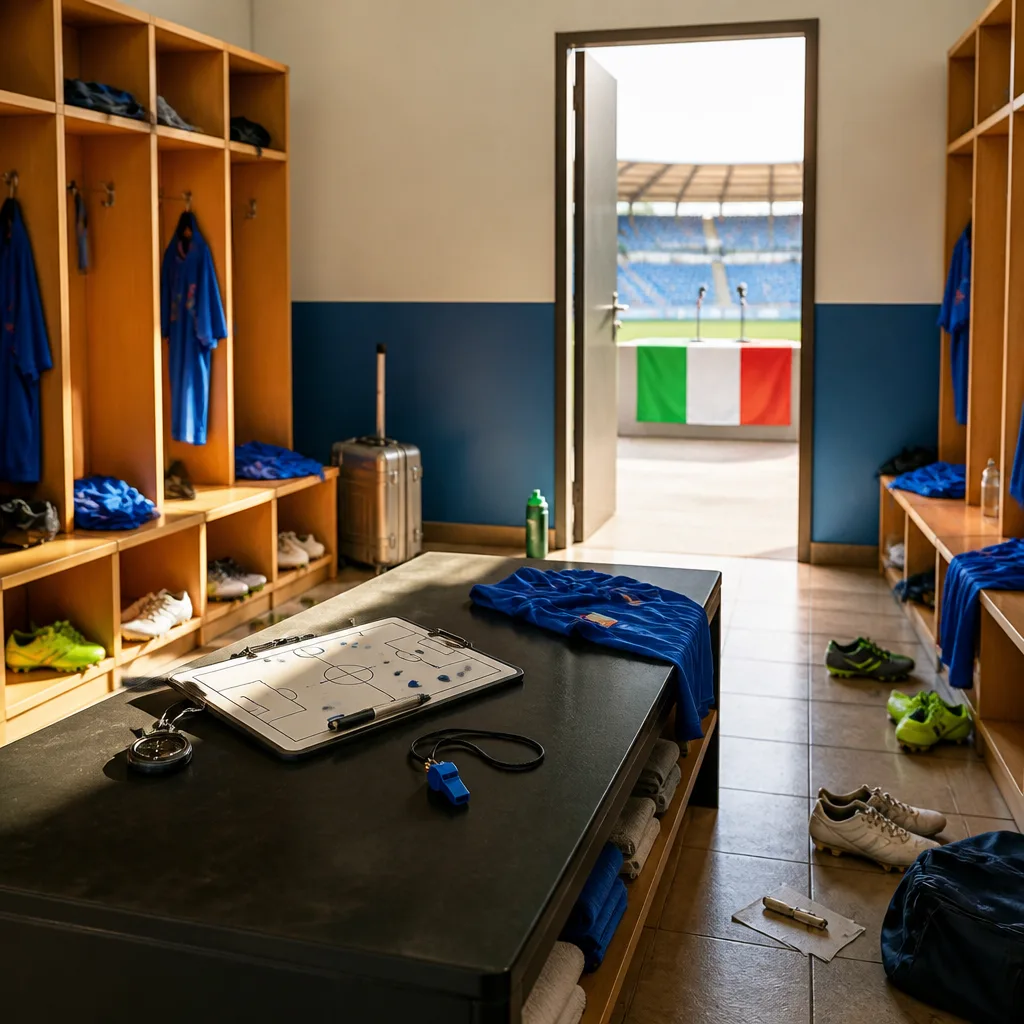
Roberto Mancini has been reinstated as head coach of the Italy national team as the Azzurri begin a reset following a period described by many as the lowest ebb in modern times.
Return follows collapse in form and governance upheaval
The decision returns to the helm the manager who delivered Italy's triumph at Wembley in 2021, but he arrives amid sharp criticism and structural change after the national side failed to qualify for the most recent World Cup and suffered consecutive setbacks that culminated in a series of high-profile departures.
In the wake of the failure to reach football's flagship tournament, which represents a third successive World Cup absence for the Azzurri, Italy's head coach Gennaro Gattuso stepped down. The disruption extended beyond the dugout: Italian Football Federation president Gabriele Gravina and veteran goalkeeper-turned-official Gianluigi Buffon also resigned from his role as the team's head of delegation.
Squad and supporters face a long rebuild
The scale of the challenge confronting Mancini is underscored by the contrast between recent club and international performances. No Italian club progressed beyond the quarter-finals in European competition this season, and only one Serie A side reached the knockout phase of the Champions League, highlighting a broader decline across the domestic game.
Italy captain Gianluigi Donnarumma offered a succinct assessment of the situation and the team's mindset as Mancini returned.
"It's a sensitive subject that affects me a lot, because not qualifying for three World Cups in a row is tough, and Italy certainly doesn't deserve that."
He added that the squad must "work" to restore Italy to its historical standing and acknowledged the weight of expectation that comes with representing a nation with four World Cup titles.
What Mancini inherits — and immediate priorities
Mancini inherits a team that has enjoyed episodic success but now needs coherence, fresh tactical direction and a vision for integrating younger players. The immediate tasks will include:
- Stabilising team selection and identity after managerial turnover.
- Rebuilding confidence among supporters and within the squad following high-profile failures.
- Assessing the talent pipeline to blend experienced internationals with emerging players.
Those challenges are amplified by an Italian football landscape that has lacked consistent impact in European tournaments; the country's clubs and national team are both seeking returns to the standards fans associate with the Azzurri.
| Recent landmark | Consequence |
|---|---|
| Euro 2020 victory | Raised expectations and masked earlier qualification failures |
| Failure to qualify for latest World Cup | Triggered resignations and managerial change |
For Mancini, who remains one of the most recognisable coaching figures in Europe after his spell in the Premier League with Manchester City and his successful first stint with Italy, the return is both an opportunity and a test. Restoring belief will require results, a steadying hand and convincing a sceptical public that the national team can again compete at the highest level.
How quickly that can happen depends on a number of factors beyond the coach's control: the readiness of young talent to step up, the fitness and form of senior players, and the federation's ability to provide a stable platform for long-term rebuilding.
As Italy embark on this new-old chapter, expectations will be high and patience short. Mancini's mandate is clear: take a proud but wounded national side and navigate it back to major tournaments where history says the Azzurri belong.