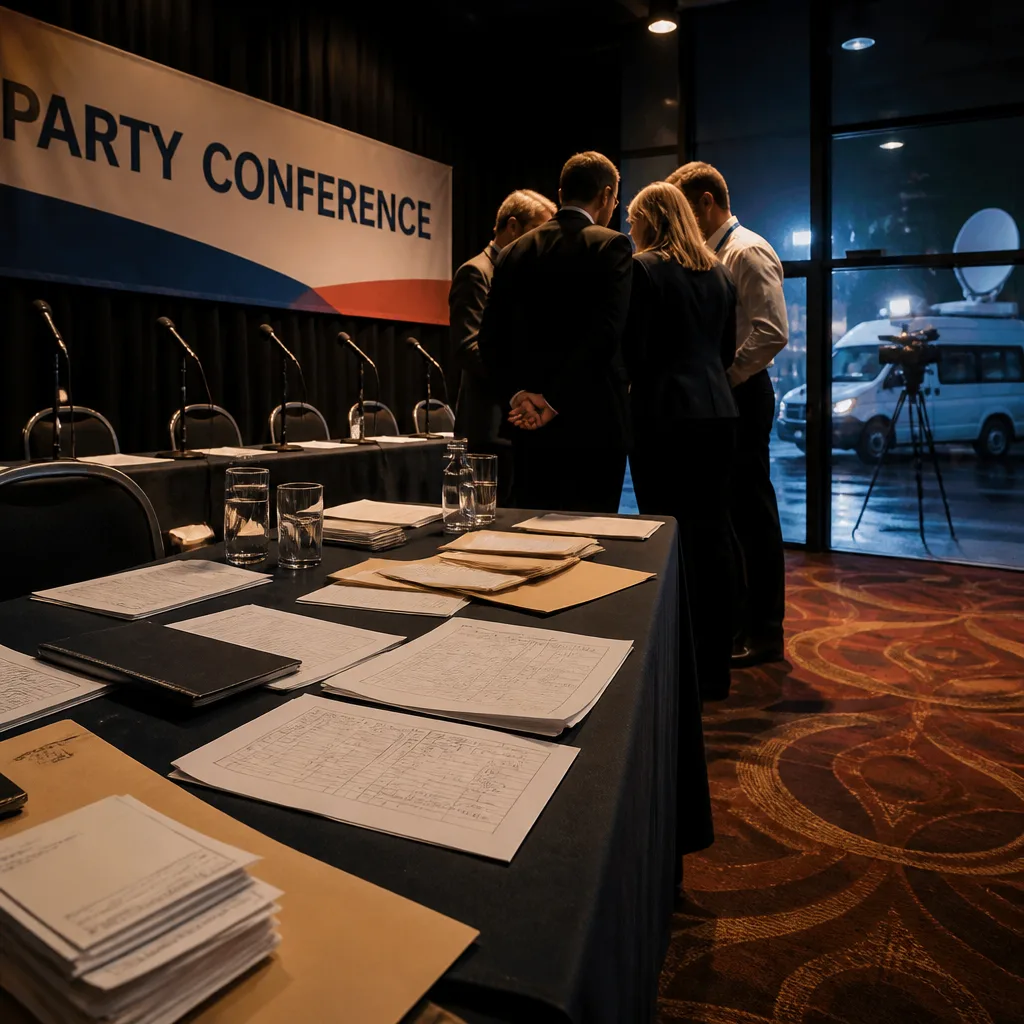
Senior figures at Reform UK faced a day of damage limitation after a broadcast investigation prompted urgent discussions about the party's handling of money and internal controls. Delegates at the party's conference in Birmingham described tense meetings that ran into the early hours as leaders weighed reputational and political consequences.
‘Pirate ship’ culture exposed
One senior party source conceded privately that Reform retains an informal, at times chaotic, character. The same figure told colleagues the party's appeal rests partly on a bold, unconventional image but argued it also needs a complementary strand of careful, procedural scrutiny.
"A key part of the appeal of us is the sense of us being cavaliers. Doing things differently. Standing out. And that's great. But we need roundheads too. Those who ask the boring questions. Do the checks. We need more of them too."
The debate about culture and compliance has been building across the last 12 months. Those associated with the party point to three defining themes over that period: defections, elections and money. Defections have played a notable role in Reform's recent growth, with former Conservative ministers among those who have joined the party. Election results, particularly in English local contests and devolved votes in Wales and Scotland, have also been cited as evidence of momentum.
| Theme | Significance |
|---|---|
| Defections | Recruitment of prominent former Conservative figures has boosted profile |
| Elections | Gains in local and devolved contests have underpinned the party's claim to growth |
| Money | Recent scrutiny over donations has become a focal point of criticism |
Immediate fallout and concerns
Sources at the conference said the party initially treated the impending broadcast as awkward and embarrassing but manageable. Once the programme aired, however, the mood shifted sharply. Attendees described anger and a realisation of the seriousness of the allegations, prompting the late-night strategy sessions.
There was clear frustration among organisers that the timing of the story would eclipse a conference months in the making. Delegates and senior figures feared headlines about the donations material would undercut Reform's efforts to present itself as a party capable of governing.
One attendee described how those in the room recognised the optics were damaging. Although party leaders rejected any suggestion of deliberate illegality, the incident has sharpened debates about the party's culture and the need for better processes.
- Short-term impact: Conference dominated by discussions of the broadcast and its fallout.
- Reputational risk: Headlines allowed critics to characterise the party as disorganised and raise questions about compliance.
- Internal reaction: Demands from within for more rigorous checks and personnel who will focus on governance rather than outward-facing campaigning.
What this means going forward
Reform's leadership must balance the qualities that have driven its recent rise with new expectations that come with political prominence. The party's narrative of disruption has attracted supporters and high-profile recruits; but senior insiders now acknowledge that a different skillset is needed to sustain ambitions for national office. That includes personnel who will ask detailed questions about donations and ensure compliance with legal and regulatory frameworks.
Party figures who spoke privately said the immediate priority is to limit reputational harm and prepare for scrutiny from regulators and the media. How effectively Reform tightens its internal controls will be watched closely by rivals, supporters and potential donors alike.
For a party seeking to position itself as a prospective governing alternative, the test will be whether organisational reforms follow rhetoric. The interventions at Birmingham suggest that message has landed inside the party. The next challenge is to translate it into concrete changes that address the vulnerabilities exposed by the recent coverage.