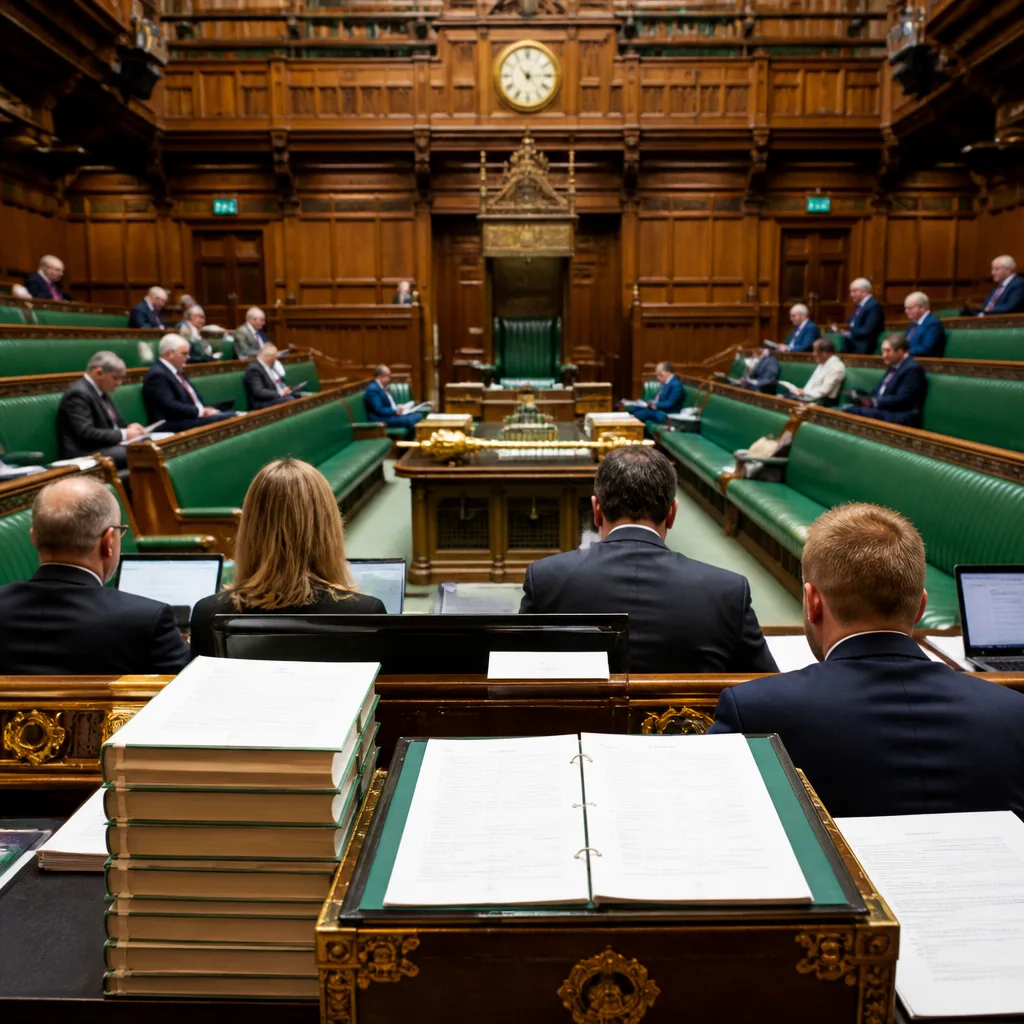
MPs in the House of Commons will on Friday debate and vote on the Terminally Ill Adults (End of Life) Bill, a bill that would permit adults with fewer than six months to live to apply for assistance to end their own life under specified safeguards.
What the bill would do
The legislation, brought forward in the Commons by Labour MP Lauren Edwards, seeks to allow terminally ill adults to request help to die. Under the measures outlined in parliamentary material, eligibility would require a prognosis of fewer than six months to live. Approval would be subject to safeguards, including the agreement of two doctors and review by an expert panel.
Why the Commons is voting again
Ms Edwards introduced an identical bill to one previously considered by Parliament. The legislation did not complete its passage through the House of Lords, where peers tabled more than 1,200 amendments. Supporters in the Commons accused some peers of deliberate delay; critics of the bill told peers it lacked sufficient protections for vulnerable people.
Friday's timetable and the expected contest
The House will hold a second reading from 09:30 BST. That debate provides MPs with the opportunity to discuss the bill’s principal aims and cannot continue beyond 14:30 BST. A vote is expected before that cut-off.
The result is widely expected to be tight. Both campaigners in favour of assisted dying and those opposed say the outcome could come down to the numbers present on the day. As one source directly involved put it:
"It's on a knife edge."
Attendance is likely to matter because Friday is often a constituency day for MPs. Several MPs interviewed by broadcasters and outlets expressed frustration that a measure of this significance could be decided in part by whether colleagues are attending family events or constituency work.
- Supporters point to the Edwards bill as a route to revisit the issue after the Lords did not complete consideration.
- Opponents maintain the bill lacks adequate safeguards to protect vulnerable people and argue peers were justified in proposing amendments.
- Conservative estimates from both camps suggest the vote is uncertain and contingent on who is present in the chamber.
Parliamentary dynamics and practicalities
Campaigners on both sides have been active in Westminster while the bill progressed through parliamentary stages. Those in favour said they want the Lords to "finish the job" by allowing the Commons to decide the central question of legalising assisted dying for terminally ill adults. Peers, by tabling a large number of amendments, extended scrutiny of the details, prompting criticism from bill backers that delay tactics were being used.
Opponents counter that extensive amendment was necessary because the bill as drafted did not do enough to guard against potential abuses or to protect people who might be vulnerable because of illness, disability or social circumstances. The Lords’ intervention means the Commons is now being asked to consider principles that have not yet been accepted by peers.
MPs have taken different approaches to securing presence for Friday’s vote. Some have urged colleagues to alter personal plans—in one example cited, efforts were made to persuade MPs due to travel to Ukraine to change their flights so they could vote. Others said they could not reasonably expect colleagues to miss family events: "I can't tell someone not to go to their sister's wedding," one MP involved in lobbying told reporters.
What happens next
If the bill passes its second reading, it would move forward in the Commons for further stages where detailed scrutiny and potential amendments would follow. If it fails at second reading, the immediate route to legal change would be closed unless the measure is reintroduced in a different form or at a later time. The debate and vote on Friday will therefore determine whether Parliament proceeds with detailed consideration of the bill or whether the proposal is set back once more.
| Item | Detail |
|---|---|
| Prognosis required | Fewer than six months to live |
| Safeguards | Approval of two doctors; expert panel review |
| Second reading timetable | From 09:30 BST; debate ends by 14:30 BST with a vote expected |
The outcome will be watched closely by campaign groups, clinicians and legal experts, and will shape the immediate parliamentary agenda on an emotive and divisive public policy question.