
Monarch’s views on Paisley recalled during 1998 meeting
Former Irish president Mary McAleese has said Queen Elizabeth II “abhorred” the late Democratic Unionist Party leader Ian Paisley and his politics, in remarks that recall the fraught political environment of the late 1990s. The account, given in a recent interview on The Ireland Podcast, describes a car journey in November 1998 when Ms McAleese and the Queen discussed sport, diplomacy and the Northern Irish political situation.
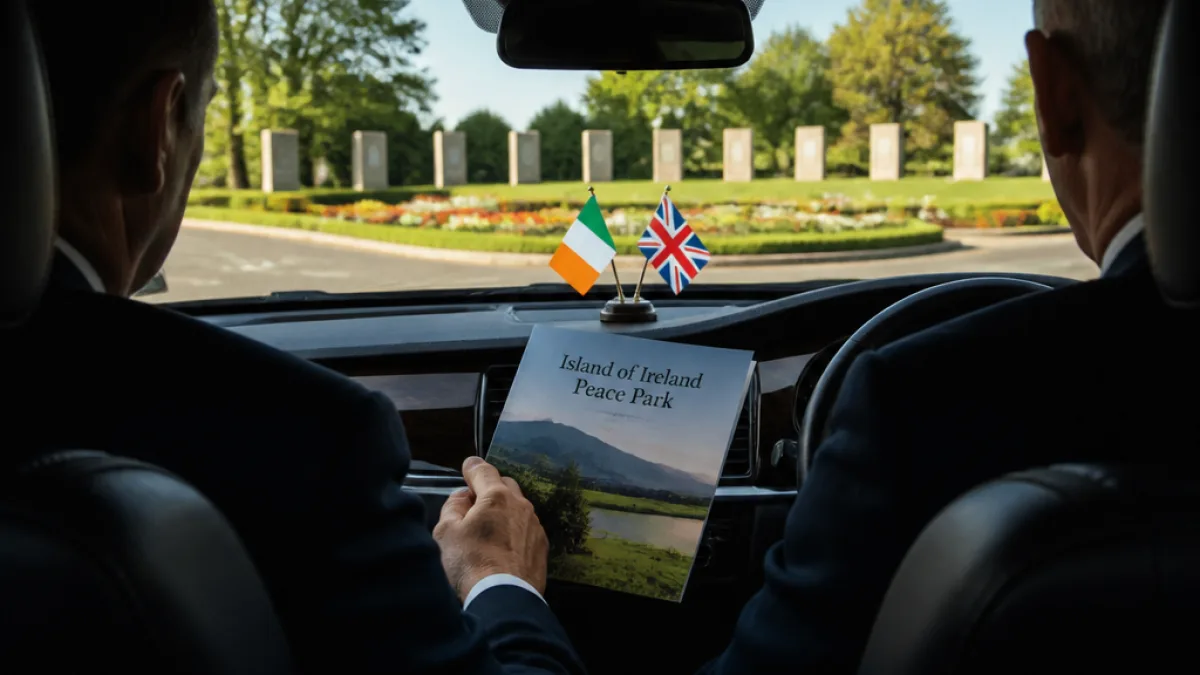
Ms McAleese, who served as President of Ireland from 1997 to 2011, said the pair were travelling to the opening of the Island of Ireland Peace Park in Belgium, accompanied by King Albert II and Queen Paola of Belgium. She said that the Queen had a surprising knowledge of traditional Irish and Scottish stick-and-ball games: shinty and hurling.
The conversation then turned to Mr Paisley, who at that point had stayed out of the Good Friday Agreement. According to Ms McAleese’s recollection, the Queen expressed a blunt assessment of his stance.
“She abhorred him and his politics, and he had never been very nice to her anyway,”
Ms McAleese added that Mr Paisley had made critical comments about the Queen when she visited the Pope, and that the monarch had no time for him. When Queen Paola asked who Ian Paisley was, the Queen replied: “Oh, lucky you!”
Context and consequences
Ian Paisley was a dominant figure in Northern Irish unionism and a vocal critic of the Good Friday Agreement when it was signed in April 1998. Ms McAleese’s recollections highlight how deeply the agreement and the surrounding politics were felt at the highest levels of state and how personal feelings could surface even in diplomatic settings.
Ms McAleese also described the Queen’s long-standing regret at not having visited the Republic of Ireland earlier in her reign. The former president said the Queen told her that it had been one of her “great sorrows” that she had not visited the Republic sooner and that she felt this had left her contribution to peace incomplete. Ms McAleese said the Queen reminded her, before she had taken office, of this unfulfilled intention.
Key moments recalled
| Year | Event |
|---|---|
| 1998 (November) | Car journey to opening of Island of Ireland Peace Park — conversation with Queen Elizabeth II |
| 2011 | Queen Elizabeth II made a historic state visit to the Republic of Ireland (referred to in the interview) |
Ms McAleese’s recollection ties together a number of moments from recent decades: the tense aftermath of the Good Friday Agreement, the Queen’s later outreach to Ireland in 2011, and the manner in which public and private opinions about political figures intersected.
- Personal diplomacy: the account illustrates how informal conversations can reveal personal views of public figures.
- Historical memory: the remarks shed light on attitudes towards Ian Paisley among senior figures outside Northern Ireland.
- Royal outreach: the Queen’s later state visit to the Republic is invoked as part of her sense of unfinished business on peacebuilding.
Ms McAleese’s interview offers a glimpse of the private side of statecraft: sports chat, candid views of politicians, and a monarch reflecting on duty and missed opportunities. For readers in Paisley and across Scotland, the anecdote is a reminder of how the politics of Northern Ireland and the Republic have long reverberated throughout these islands.
The recollections are part of a broader public conversation about the history of the peace process and the personal dimensions of leadership during a turbulent period. Ms McAleese’s comments bring that history into sharp relief by naming the feelings the Queen reportedly held towards one of the most polarising figures of the era.













