Head of refereeing outlines why disputed goal at Tannadice stood
Willie Collum, head of refereeing for the Scottish Football Association, has issued a statement explaining why a goal scored by Celtic during their 4-0 win over Dundee United was allowed to stand despite the ball striking a Celtic player’s arm during the build-up.
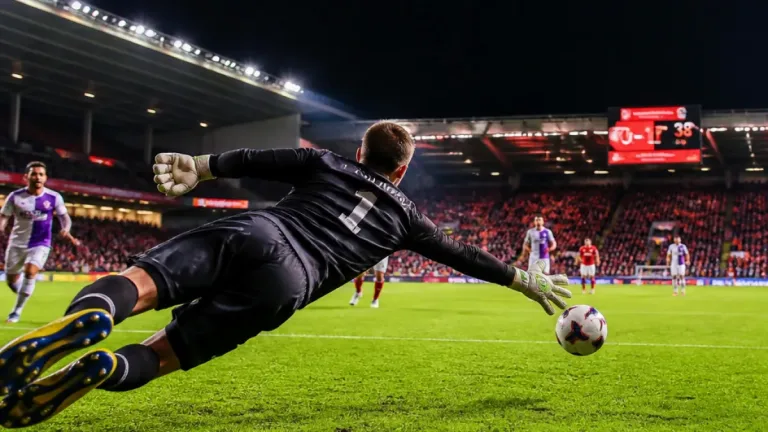
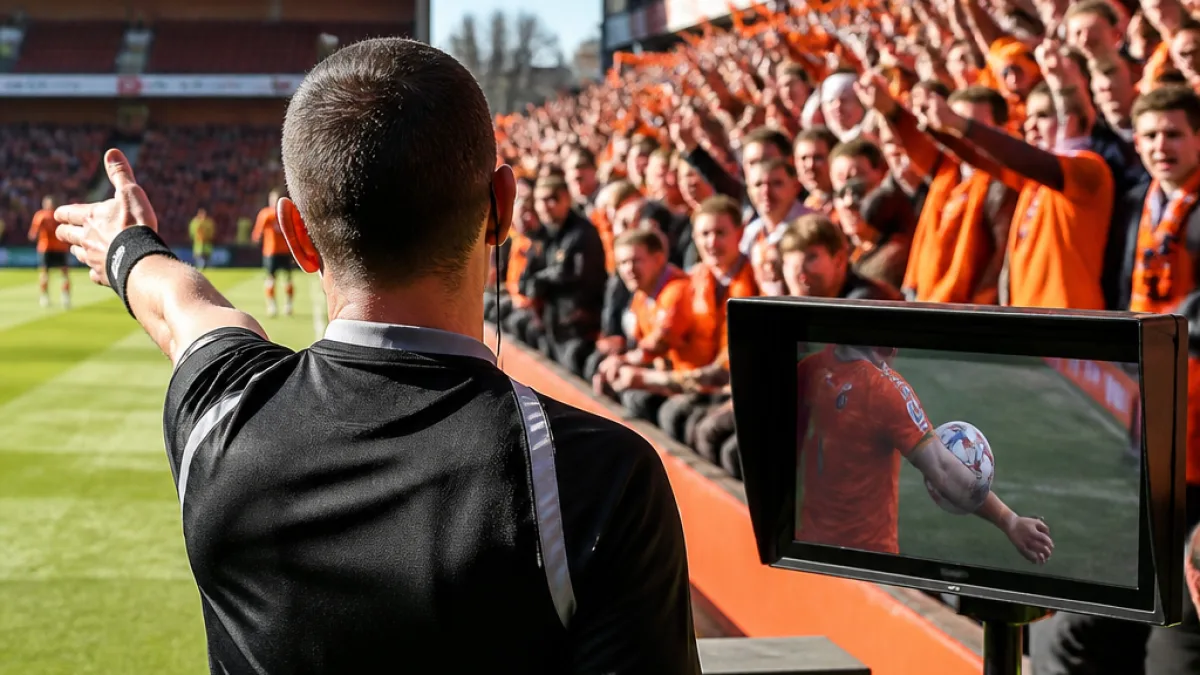
The incident occurred while the score was 1-0 in the Premier Sports Cup tie at Tannadice. Television replays showed the ball cannon off striker Kasper Hogh before falling to team-mate Camilo Duran, who converted. Dundee United were visibly aggrieved and the goal was reviewed by VAR, but the on-field decision was confirmed.
Collum addressed both the practical VAR process and the relevant wording in the Laws of the Game. He said the incident had been fully checked and characterised the contact with Hogh’s arm as accidental and a consequence of his playing action.
“The entire incident was checked, including the handball. The ball clearly strikes the hand of the Celtic attacker, however this is not a punishable handball as it is a consequence of his playing action and is completely accidental.”
Collum explained the specific provision of the law that applies when a handball is followed immediately by a goal. That rule relates to the player who handled the ball scoring directly; in this case a different attacker, Duran, scored.
“The laws of the game are clear regarding handball and an immediate goal being scored. The offence only applies when the player who handled the ball is the one who subsequently scores. As another attacker scored, this provision does not apply.”
He also addressed comparisons drawn by fans and pundits with a disallowed Falkirk goal from the first week of the Premiership season, which VAR deemed punishable.
“We note that at half time this was compared to the Falkirk disallowed goal from week one (in the Premiership). The VAR deemed that handball to be punishable by law. In our opinion however, these are completely different incidents and should be considered comparable.”
Local reaction and implications for refereeing debates in Dundee
The ruling and Collum’s explanation are likely to intensify debate among Dundee United supporters about VAR consistency and its handling of handball incidents. While the final scoreline — a comprehensive 4-0 victory for Celtic — is not altered by the single decision, moments of perceived inconsistency can leave lasting dissatisfaction among home fans and shape expectations for future cup and league ties at Tannadice.
For local stakeholders — from season-ticket holders to club officials — clarity on how handball is assessed will be essential. Collum’s statement seeks to provide that clarity by emphasising intent and the sequence of events, rather than simply the fact of contact.
Key facts from the incident
- Match: Dundee United v Celtic, Premier Sports Cup second round
- Final score: Dundee United 0-4 Celtic
- Contested moment: Ball struck Kasper Hogh’s arm before Camilo Duran scored
- Decision: VAR checked and goal stood; incident deemed accidental and not covered by the immediate-goal handball offence
| Event | Detail |
|---|---|
| Venue | Tannadice |
| Score at incident | 1-0 |
| Final score | 0-4 |
While Collum’s statement does not end the argument among rival supporters, it sets out the refereeing department’s interpretation and the legal basis for the decision. For Dundee United, the result and the surrounding discussion will feed into ongoing conversations about officiating standards and VAR consistency across Scottish football.
Further scrutiny from clubs, supporters’ groups and broadcasters should be expected in the days ahead as the Scottish FA’s refereeing department continues to apply the Laws of the Game to fast-moving, contested situations.