
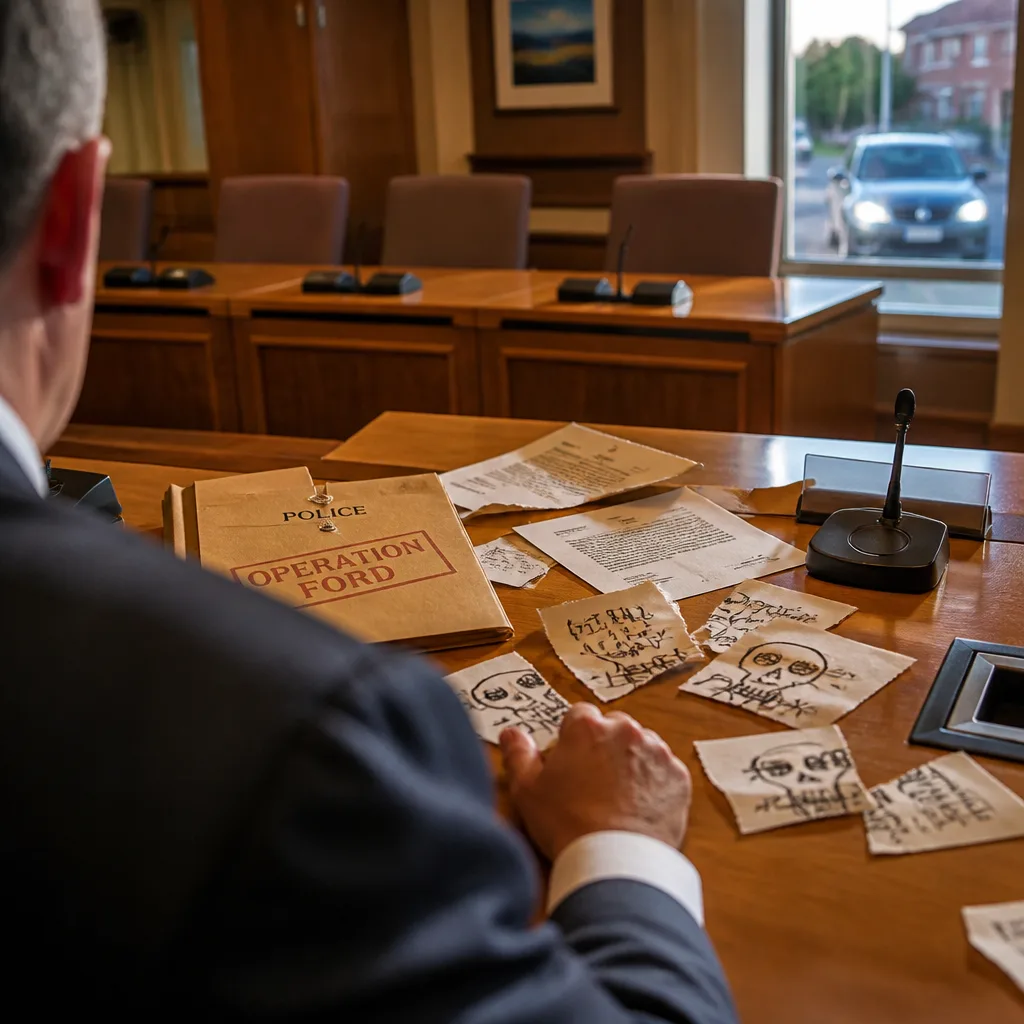
Police forces in Devon and Cornwall have recorded 27 crimes against councillors in the past 12 months under Operation Ford, a scheme set up to improve security and support for elected representatives, a police and crime panel has been told.
Incidents include threats, assaults and sustained harassment
At a meeting of the panel, members described a pattern of intimidation ranging from malicious communications to physical assaults. Councillors reported death threats, abusive messages and incidents that left staff and elected officials feeling vulnerable while carrying out public duties.
One councillor recounted prolonged harassment linked to planning work and other local matters, saying the campaign had spanned years and affected personal life. The panel heard that some councillors choose not to disclose threats because they do not want to discourage others from entering public service.
"I hope you die a horrible death"
The panel was told that threats can escalate: one councillor described being driven at in a vehicle, alongside repeated verbal threats and defamatory claims placed in a parish magazine. Concerns were also raised about attacks on staff, including planning enforcement officers who often work alone and are seen as vulnerable targets.
Operation Ford: scope and concerns
Operation Ford was launched in 2025 with the aim of bolstering protections for district-level and higher elected representatives across Devon and Cornwall. The initiative provides advice on personal and online security and centralises the assessment of reported incidents through a threat centre. The scheme also covers police and crime commissioners and elected mayors.
Panel members stressed that the recorded incidents are likely an undercount. Several said elected representatives often keep abuse private to avoid deterring prospective candidates. The number of councillors in the two counties was noted during discussions: there are 585 district and higher-level councillors across Devon and Cornwall.
| Item | Figure |
|---|---|
| Crimes recorded under Operation Ford (past 12 months) | 27 |
| Number of district-level and above councillors in Devon & Cornwall | 585 |
| Operation Ford established | 2025 |
Speakers at the panel meeting pressed for the work of Operation Ford to be viewed in a wider context, arguing that support should extend beyond elected officials to council staff who face similar risks. Accounts were given of a councillor’s partner wanting to move home because of sustained abuse, and of a female colleague who was assaulted for wearing a political rosette, which initially triggered a slow response from policing despite clear warning signs.
- Range of offences: malicious communications, verbal threats, physical assaults and targeted harassment.
- Reporting concerns: officials say many incidents go unreported for fear of discouraging public service.
- Vulnerable roles: planning enforcement officers and lone workers repeatedly cited as at risk.
Panel members called for a review of how incidents are identified, escalated and responded to, and urged that Operation Ford’s resources and remit should be assessed to ensure frontline staff are covered. They argued for clearer pathways for victims to receive immediate support and for faster escalation where there are clear red flags.
The meeting underlined the tension between public accessibility of elected representatives and the need to protect them from targeted abuse. Panel members said protecting democratic participation requires both practical security measures and a cultural shift so that threats and harassment are taken seriously and reported.
Police and council officials were asked to return to the panel with proposals on strengthening protective measures, improving reporting routes and ensuring staff welfare is prioritised. The discussions mark a renewed focus on the safety of those working in local government following the introduction of Operation Ford last year.














