
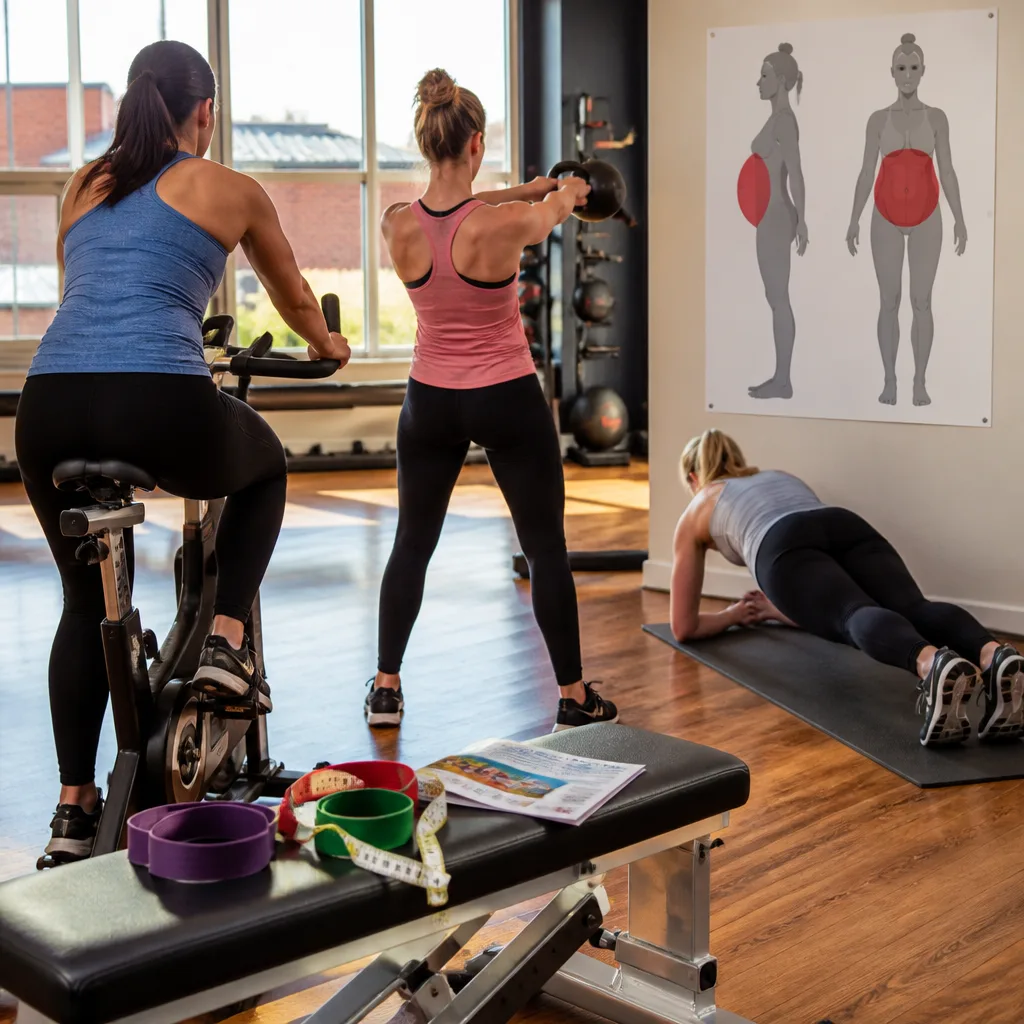
Regular physical activity can play a role in lowering the risk of breast cancer, according to an oncologist interviewed about lifestyle approaches to prevention. Experts point to body weight, diet and exercise as some of the most modifiable factors affecting risk, and they say where fat is stored in the body is especially important.
Why abdominal fat matters
Dr Kanika Sood Sharma, director and clinical lead in radiation oncology at Dharmshila Narayana Superspeciality Hospital in Delhi, told HT Lifestyle that fat concentrated around the abdomen has particular biological activity that can affect hormone levels. Whereas the ovaries are the principal source of oestrogen and progesterone, fat tissue itself also secretes hormones.
"So wherever there is a large accumulation of fat around your tummy, an additional source is added, and that stimulates unopposed oestrogen. Unopposed oestrogen stimulation is one of the causes of"
The quote above emphasises the mechanism clinicians are concerned about: truncal or abdominal fat can act as an extra source of oestrogen, which in turn has been implicated in stimulating pathways linked to some breast cancers.
What type of exercise matters?
Public-health guidance often highlights that not all activity carries the same effects on body composition and metabolic health. In the interview, the oncologist stressed that while general activity is beneficial, attention to fat distribution and targeted training can be important. She and the article also raised key practical questions many women face: is walking enough, should strength training be prioritised, and how much activity is required?
- Aim for regularity: clinicians emphasise consistency over sporadic bursts of exercise.
- Mind abdominal fat: central or truncal fat is metabolically active and linked to hormone production.
- Combine approaches: a mix of aerobic movement and resistance training can influence body composition and overall health.
The interview did not prescribe specific weekly minutes or exact regimens, but it underlined that reducing overall body fat—and in particular fat around the midriff—can be a useful target when thinking about prevention strategies alongside other measures such as screening and healthy diet.
Putting it into context
Breast cancer risk is multifactorial. Age and genetics remain central, but the components of lifestyle that people can control — diet, body weight and physical activity — are frequently discussed because they can be modified. Exercise is widely regarded as a preventive tool that contributes to better metabolic health, weight control and hormonal balance.
| Activity focus | Why it helps |
|---|---|
| Aerobic activity (walking, running, cycling) | Supports calorie burning and cardiovascular health; helps with overall weight management. |
| Strength/resistance training | Builds or preserves muscle mass and can improve body composition, which may reduce fat accumulation. |
| Regular, consistent sessions | Habitual activity is more likely to sustain weight and hormonal benefits than intermittent efforts. |
These categories reflect broad clinical thinking rather than a fixed prescription from the interview. The oncologist highlighted that consistency may be more important than the precise type of workout for long‑term risk reduction.
What readers should take away
For those concerned about breast cancer risk, the practical message is straightforward: lifestyle choices matter. Focusing on keeping a healthy weight, limiting accumulation of fat around the waist, and building a regular exercise habit are sensible parts of a prevention strategy. These approaches sit alongside established measures such as regular screening and discussing individual risk factors with a healthcare professional.
Anyone thinking of changing their exercise routine — particularly people with existing health conditions — should consult their GP or a qualified exercise professional to identify safe and effective options tailored to their circumstances.
Further reading and action points:
- Discuss personal risk and screening schedules with your GP.
- Build an exercise plan that mixes aerobic and resistance work and that you can maintain long term.
- Focus on body composition and waist measurements as part of overall health monitoring.
While no single behaviour guarantees prevention, integrating consistent, targeted physical activity with other healthy habits offers a practical route to reducing some modifiable breast cancer risks.














