A Northampton man who has interpreted for his mother since childhood has urged West Northamptonshire Council to do more to provide specialist support for deaf residents after he says his 85‑year‑old mother has struggled to access suitable care since her husband died in 2025.
Family members filling professional roles, son says
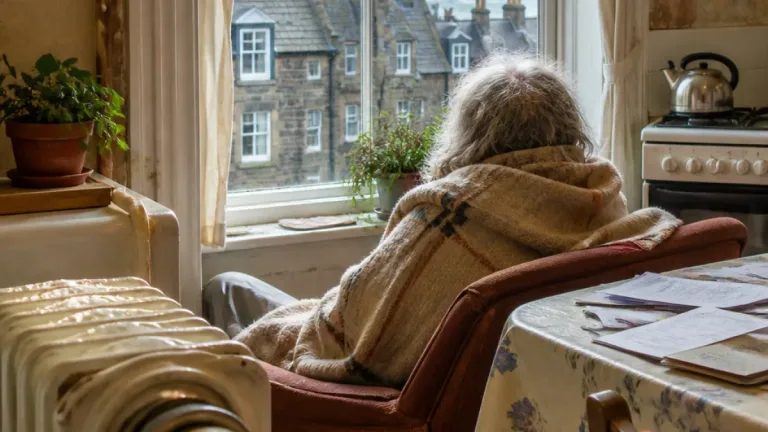
Peter Moone told BBC Northampton that his mother, Maureen, who was born deaf and never learned to read or write, faces significant barriers when dealing with local care services because British Sign Language (BSL) interpreters are not routinely made available in care settings.
"I reached out to West Northamptonshire Council... they said we don't have any specialist deaf care providers. [...] The only avenue I have... is a young trainee social worker who calls me and ...I've put in three complaints, and I've only had one response saying, 'Yes, we could do better'."
Moone, who is 49, says he has acted as an interpreter for both of his deaf parents since he was eight. He added that he still sees relatives frequently being expected to translate at medical appointments and in dealings with official bodies, even when that may be inappropriate because of conflicts of interest or the emotional nature of the situation.
Council response and local accountability
West Northamptonshire Council said it takes concerns about the standard, accessibility and provision of care services "extremely seriously" and that such matters are addressed through its established investigation processes.
The council response does not, however, set out whether there is a plan to commission specialist deaf care providers in the area, or to ensure routine access to BSL interpretation in domiciliary and care-home settings for those who need it.
Education and lifelong impact highlighted
Moone emphasised the long‑term effects of limited educational provision for deaf children in previous decades. He said his mother attended school in Great Yarmouth, Norfolk, at a time when opportunities for deaf pupils to learn to read or write were few. That background, he added, has made navigating modern health and social care systems more difficult for her.
He described a pattern he believes persists across health and social services: the default assumption that a family member will act as interpreter rather than arranging a qualified BSL professional. He told BBC Northampton:
"In this day and age, lots of surgeries, hospitals, companies, especially West Northamptonshire Council, seem to think: 'Do you have a family member who can sign for you?'"
What this means for local residents
Advocates for disabled people say the absence of routine, professional BSL interpretation can undermine privacy, reduce the effectiveness of clinical and social‑care assessments, and place emotional and practical strain on family members who are expected to step in.
- Communication barriers: Residents who use BSL may not receive information in a fully accessible way if interpreters are not provided.
- Carer burden: Relatives acting as interpreters can face emotional stress and potential conflicts of interest.
- Service quality: Lack of specialist provision may affect assessment accuracy and care planning.
| Issue | Concern raised |
|---|---|
| Availability of specialist deaf care | Council described as having none |
| Use of family interpreters | Common practice despite potential conflicts |
| Complaints handling | Multiple complaints lodged; limited response |
Campaigners say improving access to BSL interpretation and commissioning specialist services can make care safer and more dignified for deaf residents. The issue also raises questions about training, commissioning priorities and how local authorities meet their legal duties to provide accessible services.
West Northamptonshire Council has been invited to set out what steps it will take to ensure BSL interpretation is available where required, and whether it will review provision for older deaf residents who experienced limited education in earlier decades.
The case highlights the practical challenges faced by some vulnerable Northampton families in securing communication support, and the role local authorities play in ensuring equal access to care.