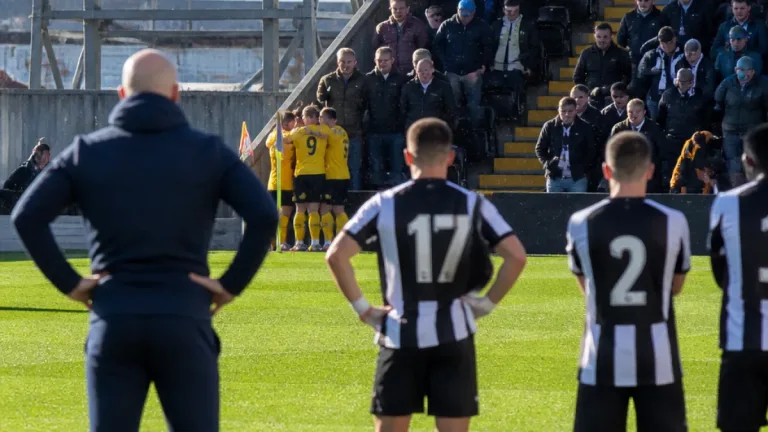
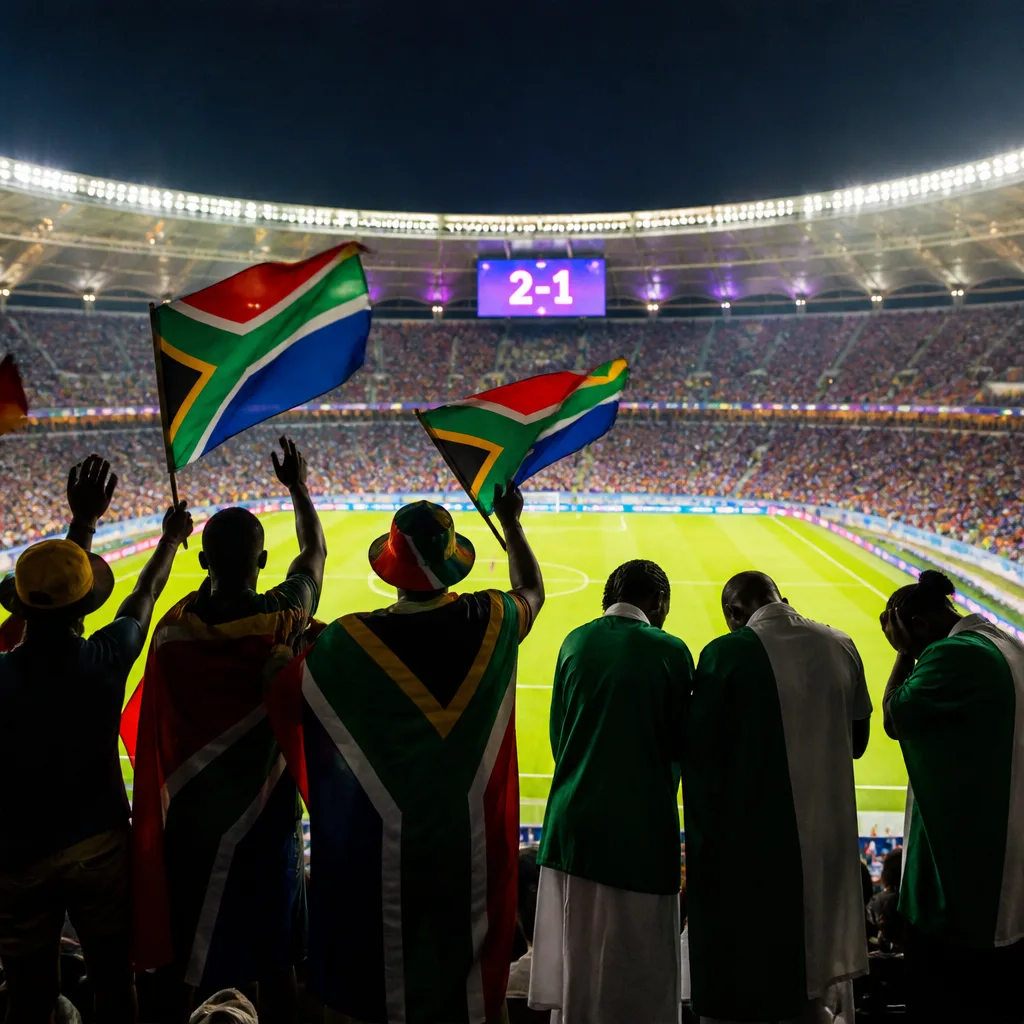
Nigeria have failed to qualify for the FIFA Women's World Cup for the first time after being beaten 2-1 by South Africa in an African play-off at the 2026 Women's Africa Cup of Nations in Morocco. The result, decided in Casablanca, leaves the Super Falcons outside next year's tournament and hands South Africa a place in the inter‑confederation qualifier alongside Ghana.
Late drama in Casablanca
Goals from Thembi Kgatlana and Refiloe Jane in the second half secured victory for Banyana Banyana, but the tie produced frantic late moments. Jane was dismissed for handling the ball inside her own six‑yard box, and Nigeria substitute Christy Ucheibe converted the resulting penalty in the 93rd minute to set up a grandstand finish.
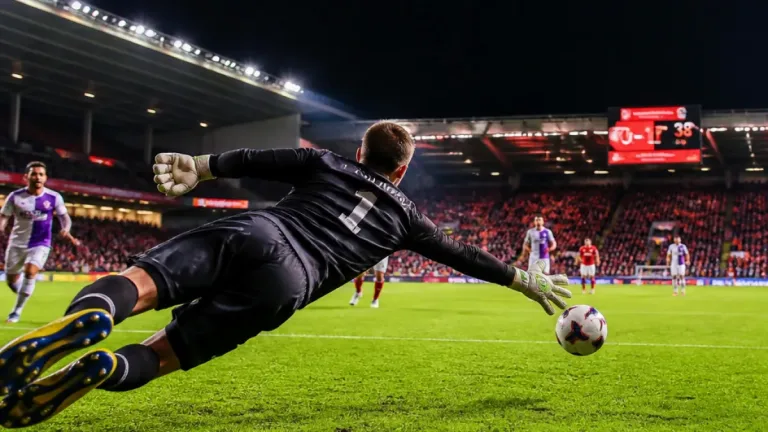
Even as the clock ticked into stoppage time, South Africa's goalkeeper Kaylin Swart pulled off a crucial save with her feet to deny Michelle Alozie in the final minute, preserving the 2-1 scoreline that sends South Africa into the inter‑confederation play‑offs.
Context: a disappointing WAFCON campaign for Nigeria
The Super Falcons arrived at WAFCON in Morocco as Africa's top‑ranked side and were among the favourites to retain the title they won in 2022. Instead, their campaign faltered early: Nigeria lost to Malawi in the group stage and were eliminated by Cameroon in the quarter‑finals. That earlier exit left Nigeria reliant on the one‑off play‑off to keep World Cup hopes alive; they were unable to seize that final opportunity.
Ghana join South Africa after comeback win
Earlier on Thursday in Casablanca, Ghana completed their own dramatic recovery to beat Ivory Coast 2-1 and claim the second African place in the inter‑confederation qualifier. Ivory Coast took the lead inside the first minute after Bernadette Kakounan was clipped by Princess Marfo; following a VAR check, Ines Konan converted the penalty to give the Lady Elephants an early advantage.
Ghana thought they had levelled early in the second half when Stella Nyamekye finished, but referee Akhona Makalima ruled the build‑up had involved a foul on the Ivorian goalkeeper. Ghana eventually drew level in the 59th minute when Princess Marfo headed in from a corner, making amends for her earlier challenge. The turnaround was completed when Josephine Bonsu scored from the penalty spot in the 72nd minute after VAR adjudged that Grace Asantewaa's shot struck the arm of Ivory Coast defender Aboa Yapo inside the area.
| Match | Score | Key moments |
|---|---|---|
| South Africa v Nigeria (Casablanca) | 2-1 | Kgatlana, Refiloe Jane; Ucheibe 93' (pen); Jane sent off; Swart late save |
| Ghana v Ivory Coast (Casablanca) | 2-1 | Ines Konan 4' (pen); Marfo 59'; Bonsu 72' (pen, VAR) |
Consequences and wider implications
The immediate outcome is clear: South Africa and Ghana progress to FIFA's inter‑confederation qualifiers, keeping their hopes of a place at the 2027 Women's World Cup alive. For Nigeria, the result represents a historic low point — the Super Falcons will miss next year's global tournament for the first time in their history.
- Nigeria eliminated from WAFCON at the quarter‑final stage and lost play‑off, ending World Cup participation streak.
- South Africa advance to inter‑confederation play‑offs after 2-1 victory; goalkeeper Kaylin Swart influential.
- Ghana recovered from an early penalty to win 2-1, also reaching inter‑confederation qualification.
The wins for South Africa and Ghana underline the competitive unpredictability across African women's football, where VAR decisions, early penalties and late drama have played decisive roles in shaping which nations remain in contention for the World Cup. For Nigeria, questions now turn to how the country's football authorities and coaching staff respond to a campaign that fell well short of expectations.
With both Banyana Banyana and the Black Queens heading to the inter‑confederation stage, attention will switch to the draw and scheduling of those fixtures, which will determine whether either nation secures qualification to next year's tournament in Brazil.
For supporters across the continent, a gripping day in Casablanca has reshaped the map of African representation in the race for the Women's World Cup.