Australian tennis star Nick Kyrgios has been provisionally suspended after a sample provided at an ATP tournament in Majorca in June tested positive for benzoylecgonine, a metabolite of cocaine, the International Tennis Integrity Agency (ITIA) has announced.
Immediate sporting consequences
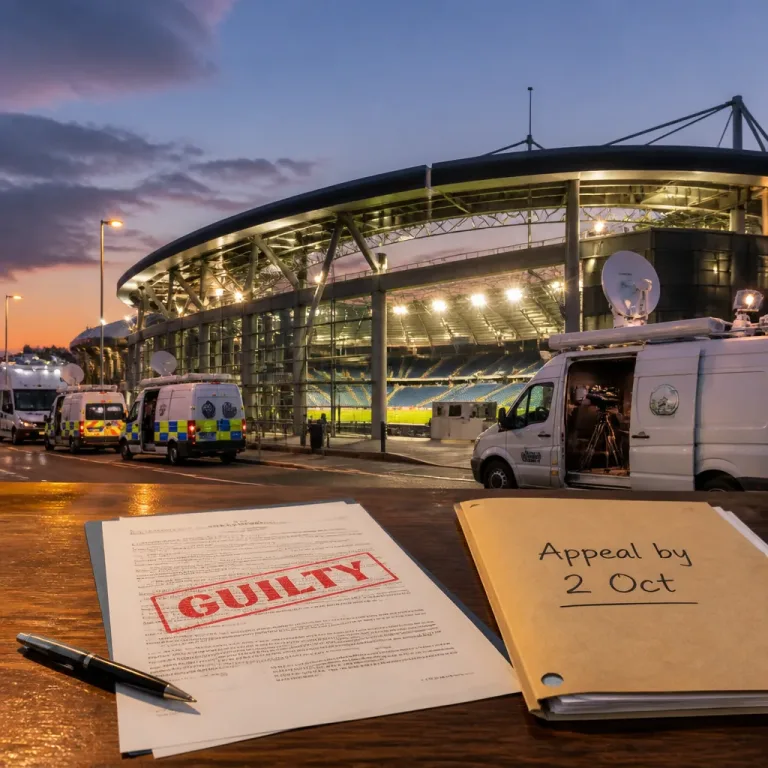
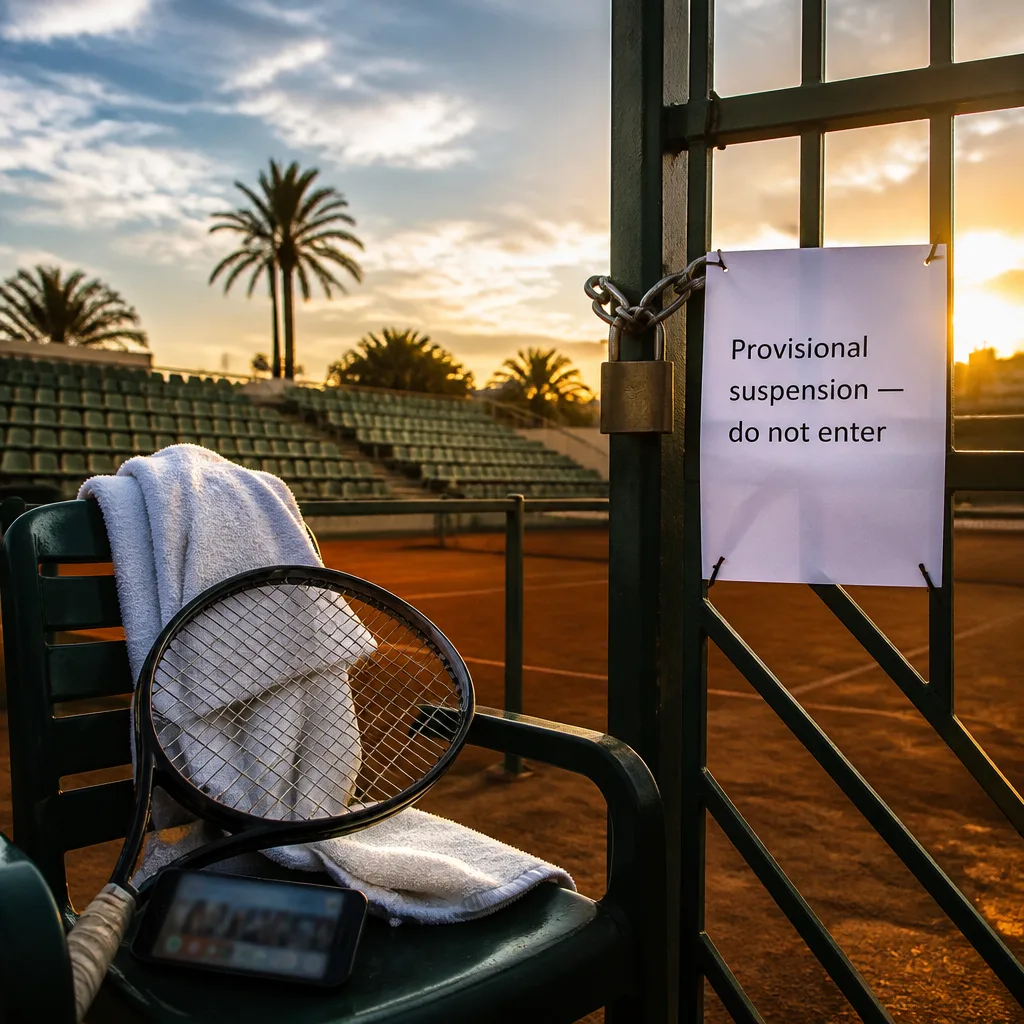
The 31-year-old former Wimbledon finalist was provisionally suspended from 4 August and is currently barred from playing in or attending tournaments while a tribunal considers his case. The ITIA has said he may appeal the provisional ban but, to date, he has not done so.
Kyrgios has admitted responsibility in an Instagram post, acknowledging the gravity of the situation and expressing remorse to those close to him. In his message he said:
"I made a huge mistake and I take full responsibility for it. I'm sorry to my fans, my family, my sponsors and everyone close to me. Above all, I'm sorry to the kids who follow me."
Background and context
The positive result relates specifically to benzoylecgonine, the principal metabolite tested to detect cocaine use. Cocaine is prohibited in-competition by the sport’s anti-doping regulations. Kyrgios has played only a handful of singles matches this season, reflecting a four-year run hampered by injuries that have limited his Grand Slam appearances since his run to the 2022 Wimbledon final.
In his statement the player sought to give context about the state of his body and mind in recent years, saying injuries had taken a heavy toll physically and mentally and describing feelings of being "helpless and alone" as he has wrestled with the prospect of the twilight of his career. He emphasised those struggles did not excuse his actions.
What happens next
The case will proceed to a tribunal that will determine the circumstances, potential sanctions and whether any mitigating factors apply. Until that hearing concludes, Kyrgios remains suspended and unable to participate in professional events.
- Sample taken: June (at ATP tournament in Majorca)
- Provisional suspension effective: 4 August
- Substance detected: benzoylecgonine (metabolite of cocaine)
- Player age: 31
The ITIA’s statement confirms the standard procedure: a provisional suspension is imposed when a prohibited substance is detected in-competition, while the matter is referred for disciplinary review. The player retains the right to challenge both the testing process and the provisional suspension through appeal mechanisms set out by the governing bodies.
Wider implications
The announcement will have immediate ramifications for tournament organisers, sponsors and supporters. Kyrgios has been a high-profile, sometimes polarising figure within the sport, renowned for his on-court volatility and explosive talent as well as his ability to draw mainstream attention to tennis. A suspension removes him from the live calendar and places his future participation in professional events under a cloud until the tribunal reaches a decision.
It also focuses attention on the broader issues surrounding elite athletes' mental health and the pressures that can accompany a fragmented career. Kyrgios himself referenced these pressures in his post, noting the psychological strain of prolonged injuries and the difficulty of accepting a potential end to a long-held vocation.
For now, the detail in public remains limited to the ITIA’s confirmation of the positive test and Kyrgios’s apology. The tribunal process will establish the factual record and any potential sanction, which could include a range of penalties depending on the findings, mitigating factors and procedural outcomes.
| Item | Detail |
|---|---|
| Substance detected | benzoylecgonine (cocaine metabolite) |
| Sample date | June (Majorca ATP event) |
| Suspension start | 4 August |
| Player | Nick Kyrgios, 31 |
The coming weeks will determine whether Kyrgios exercises his right of appeal and how swiftly the tribunal can be convened. Until then, the former Wimbledon runner-up remains on the sidelines and the tennis world must await the formal adjudication of the case.