
Comments by Indiana Fever guard Sophie Cunningham have thrust the issue of transgender participation in women’s sport back into the spotlight, prompting public demonstrations at WNBA games and strong pushback from colleagues and advocates.
What has happened
Cunningham, who previously drew attention for her stance on transgender athletes, was the focus of renewed controversy after remarks attributed to her were discussed in an ESPN profile. In that piece she expressed concern about protecting "young girls in a locker room, or young girls in sport who shouldn’t have to go against biological men," language that opponents say mischaracterises transgender women and fuels exclusion.
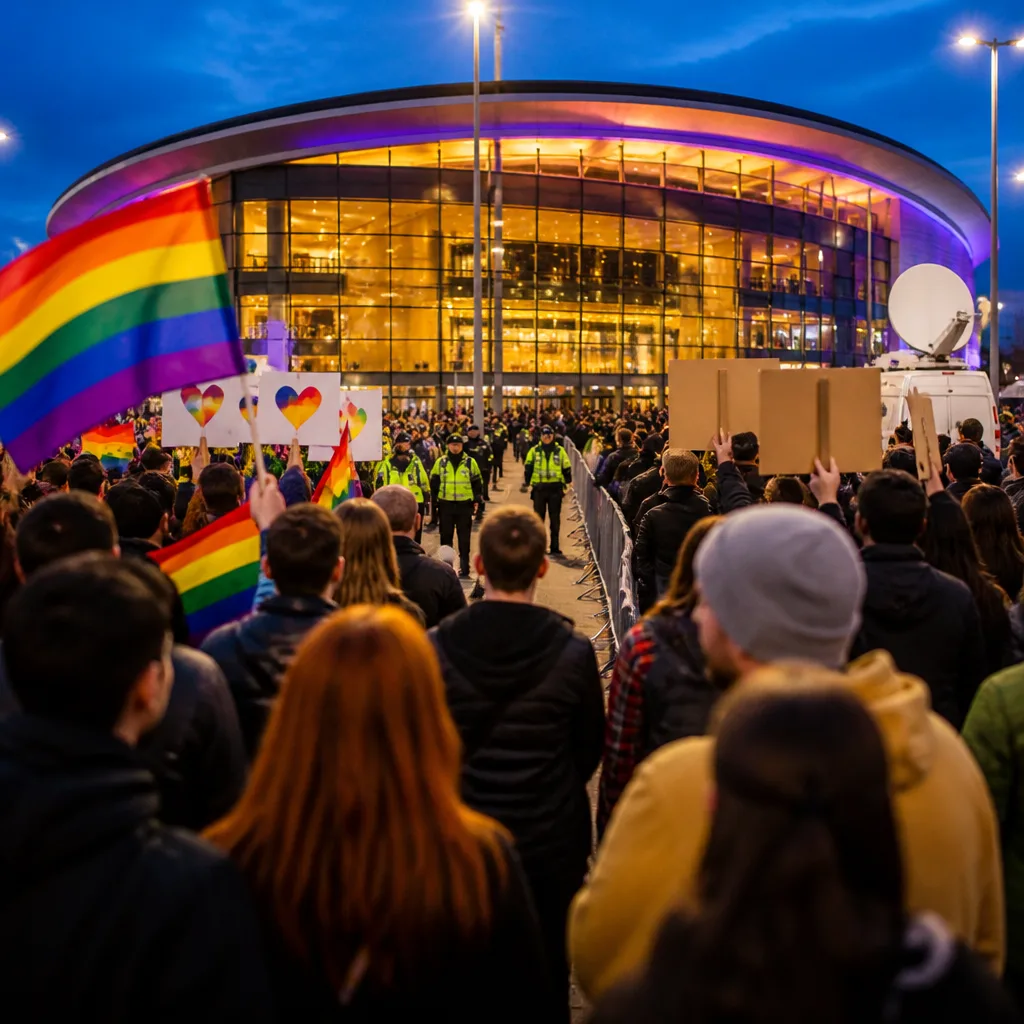
Her appearance at an August 2 match between the Indiana Fever and the Minnesota Lynx coincided with public demonstrations both supporting and opposing transgender athletes, underscoring how the debate has spilled from column inches into arenas and stadiums.
Responses and context
The WNBA Players Association (WNBPA) publicly condemned attacks aimed at transgender people, framing the issue as one of safety and dignity for all participants. Organisers and many players have pushed back against rhetoric they see as divisive.
"Hate, abuse, and demonization of any person or group of people, including transgender people, only fuel fear, division and harm."
In the immediate aftermath of the profile and the game, Cunningham sought to de-escalate, saying she "wants to get back to basketball" — comments that those tracking the situation read as an attempt to shift focus away from the controversy and on to the sport itself.
Who’s involved
Beyond Cunningham, a range of public figures have entered the debate. Former NBA players Enes Kanter Freedom and Royce White are among those amplifying criticism of transgender participation in women’s sport, while the controversy has also invoked earlier high-profile cases, such as that of swimmer Lia Thomas, which drove national discussion on sex, gender and eligibility rules.
| Name | Role | Connection to debate |
|---|---|---|
| Sophie Cunningham | Indiana Fever shooting guard | Made comments that sparked rallies and criticism |
| Enes Kanter Freedom | Former NBA player | Public critic of transgender athletes |
| Royce White | Former NBA player | Public critic of transgender athletes |
| Lia Thomas | Collegiate swimmer (central to earlier debate) | Frequently referenced in discussions of transgender participation |
Why this matters
The controversy is not only about a single athlete’s remarks but concerns broader questions facing sport administrators, athletes and fans: how to balance fairness in competition with inclusion and privacy, and who decides eligibility rules. The WNBA, its players and its union are now navigating public scrutiny at a moment when sports bodies globally are under pressure to clarify policies on transgender participation.
- Public demonstrations at games have shown how the debate has moved from commentary to visible protest.
- Union response from the WNBPA frames the issue as one of protecting people from abuse and division.
- High-profile voices — including ex-professionals — have amplified the controversy, increasing media attention.
For spectators and those working in sport, the immediate consequence is heightened attention around fixtures and player statements. For governing bodies, the situation underscores the need for clear, evidence-based policies that are communicated effectively to athletes and the public. As this debate continues to unfold, the WNBA and other sporting organisations will face pressure to balance competing values and ensure safety and fairness on and off the court.
Coverage of this story will continue as governing bodies, players and advocates respond and as any policy developments are announced.