A new campaign launched in Wiltshire is urging residents to provide anonymous information to Crimestoppers to help dismantle organised criminal networks responsible for theft of agricultural machinery and wildlife offences, police and charity figures said.
Focus on organised groups and local impact
The drive seeks to highlight the harm caused by rural crime and to channel intelligence from the public to investigators without requiring callers to identify themselves. Campaign organisers say gangs operating beyond county lines are behind a string of incidents that have left farmers out of pocket and caused environmental damage.
Crimestoppers' South West Central regional manager emphasised the often wide-ranging consequences of such offending and encouraged people to use the charity's confidential 24/7 service to pass on what they know.
“Whether it’s the theft of essential farming equipment, wildlife crime or environmental damage, the consequences are often felt far beyond the immediate victims,”
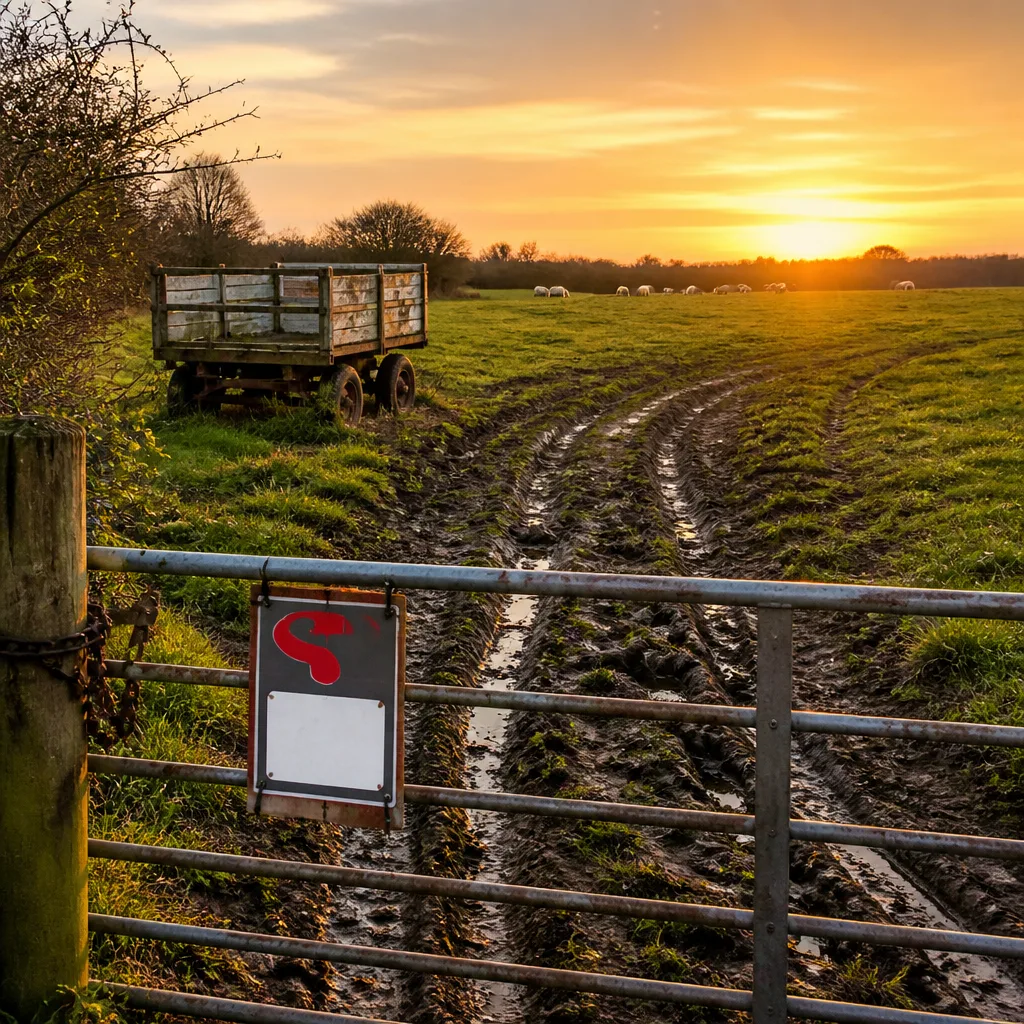
The campaign points to particular problem areas within the county: thefts of equipment and vehicles are reported most frequently in west, north and south Wiltshire, while hare coursing incidents are concentrated in the east and south-west.
Numbers and enforcement so far
Local policing figures referenced in the campaign show a rise in hare coursing and a concerted enforcement response over the last two years. The material supplied to media sets out these headline figures:
- 22% increase in hare coursing incidents between September 2024 and August 2025;
- 40 people arrested by Wiltshire Police in relation to hare coursing in the past two years;
- 36 people charged in connection with those incidents during the same period.
| Metric | Figure |
|---|---|
| Increase in hare coursing (Sept 2024–Aug 2025) | 22% |
| Arrests (past two years) | 40 |
| Charged (past two years) | 36 |
Campaign literature indicates that the offending often crosses administrative boundaries, complicating local policing and requiring information from communities to identify and disrupt networks.
How the campaign asks the public to help
The appeal stresses anonymity and accessibility. People with information are urged to contact Crimestoppers via its hotline or website rather than approaching officers directly if they fear reprisal or wish to remain unidentified.
- Confidential, 24/7 reporting service operated by Crimestoppers.
- Information can be provided by phone or online without giving a name.
- Intelligence passed to police may support arrests and prosecutions while protecting the source.
Charity and policing officials say public reporting is a vital element in tackling thefts of machinery — which can be costly and cause disruption to farming schedules — and in preventing wildlife and environmental harm associated with illegal activities such as hare coursing.
While the numbers provided indicate active enforcement, campaign spokespeople present the appeal to Wiltshire communities as a reminder that intelligence from residents can tip the balance in investigations that otherwise stall due to lack of witnesses or leads.
The initiative forms part of broader efforts nationally to address rural crime, which can include vehicle and equipment thefts, livestock offences and wildlife persecution. Campaign organisers point out that securing anonymous tips may be particularly important in rural areas where close-knit communities can make people reluctant to speak to police directly.
Those wishing to pass on information are directed to Crimestoppers' dedicated contact routes, which operate continuously.
Further details about how reports are handled and how information is assessed by police were not included in the campaign literature distributed to national outlets.