
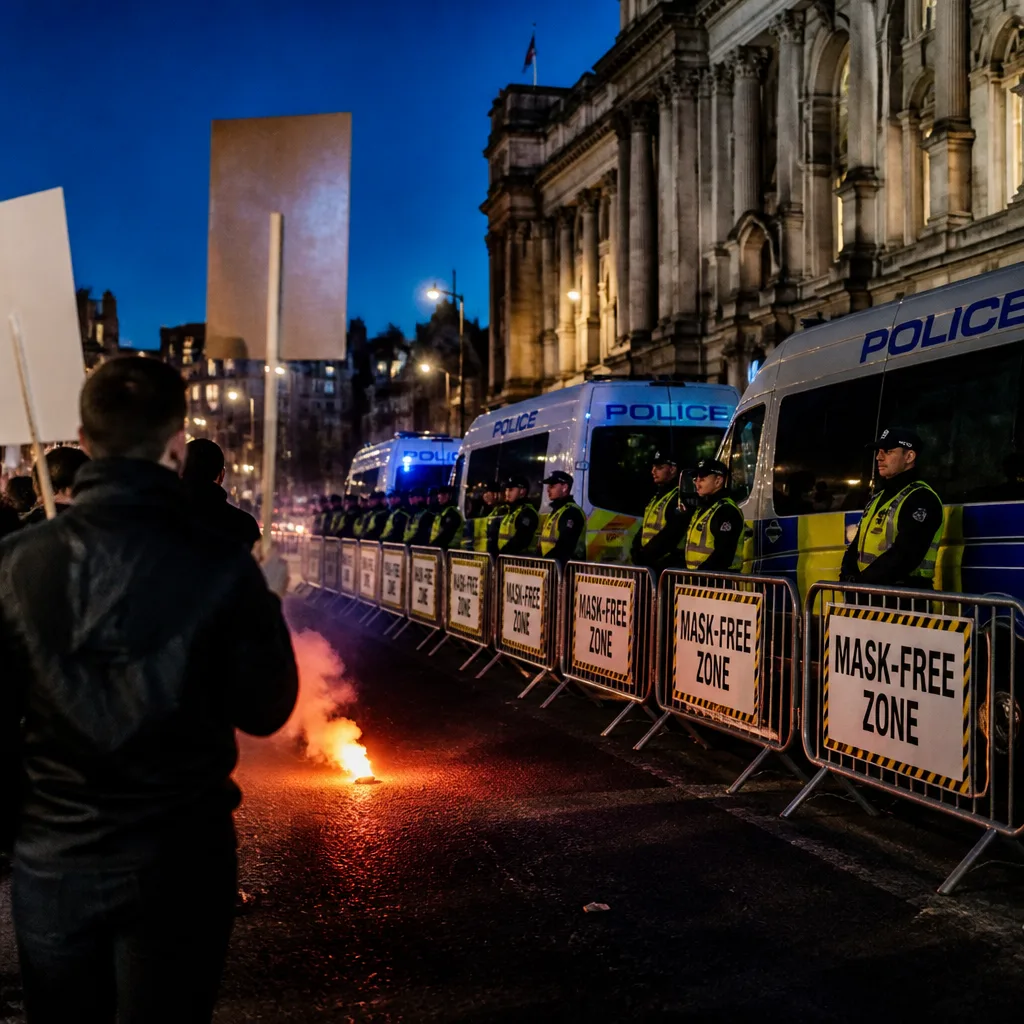
The Crime and Policing Act 2026, parts of which came into effect on 29 June 2026, introduces a series of new criminal offences and extends police powers in relation to public protest, including the power to create temporary “mask‑free” zones and fresh restrictions on the use of pyrotechnics and climbing memorials.
What the law changes
The act adds measures that specifically address how protests may be policed and what behaviour can now attract criminal sanctions. Campaign group Liberty has published guidance explaining the new provisions and warning they criminalise acts that were not previously offences and broaden enforcement powers available to officers. The legislation also builds on earlier measures in two previous Acts enacted by the Government, the Crime, Sentencing and Courts Act 2022 and the Public Order Act 2023.
- Mask‑free zones: senior officers can designate a public area for up to 24 hours in which wearing items to conceal identity is criminalised;
- Pyrotechnic articles: new offences relating to the use of flares and similar items at protests;
- Climbing memorials: conduct involving ascending monuments and memorials is criminalised;
- Cumulative disruption: police gain powers to restrict protests based on a protester’s previous disruptive conduct over time;
- Location‑based limits: heightened protections and restrictions apply near places of worship and the homes of public office holders.
Mask‑free zones and penalties
Under sections introduced by the act, an officer of the rank of inspector or above may designate a public place as a mask‑free zone for up to 24 hours if they reasonably consider a protest may take place there, that the protest is likely to involve offences, and that the designation is expedient to prevent or limit offending. Police are required to take all reasonable steps to inform people of the designation.
| Offence | Maximum penalty |
|---|---|
| Wearing an item to conceal identity in a mask‑free zone | Up to one month imprisonment, a fine of up to £1,000, or both |
Advice and concerns
Liberty’s guidance is aimed at people planning to protest and legal advisers. It makes clear the material on the organisation’s web pages is for general information and not a substitute for legal advice; it signposts where people can find a lawyer experienced in protest law if they are arrested.
The charity also argues the new measures broadened the scope of criminal liability and enhanced discretionary powers available to police. Those who oppose the changes say the provisions risk restricting lawful protest and empowering officers to act pre‑emptively on the basis of anticipated conduct. Supporters of tougher rules say the measures are intended to reduce harm, protect vulnerable sites and deter dangerous behaviour at demonstrations.
Implications for policing and public protest
The provisions will require police forces to develop operational guidance and communications to ensure the public know when an area has been designated as mask‑free; inspectors and above will need to apply the statutory tests before imposing such a designation. The cumulative‑disruption provisions may also change how repeat protest activity is handled, with consequences for organisers and participants previously involved in disruptive actions.
Legal and civil‑liberties groups are likely to monitor how the new powers are used in practice and whether they face legal challenge. The legislation’s interaction with existing public order offences and the extent to which it alters policing tactics at demonstrations will be a matter for forces, the courts and policymakers to clarify over time.
Anyone seeking detailed advice about their rights at a protest, or facing arrest under the new provisions, should consult a solicitor with expertise in protest and public order law.














