
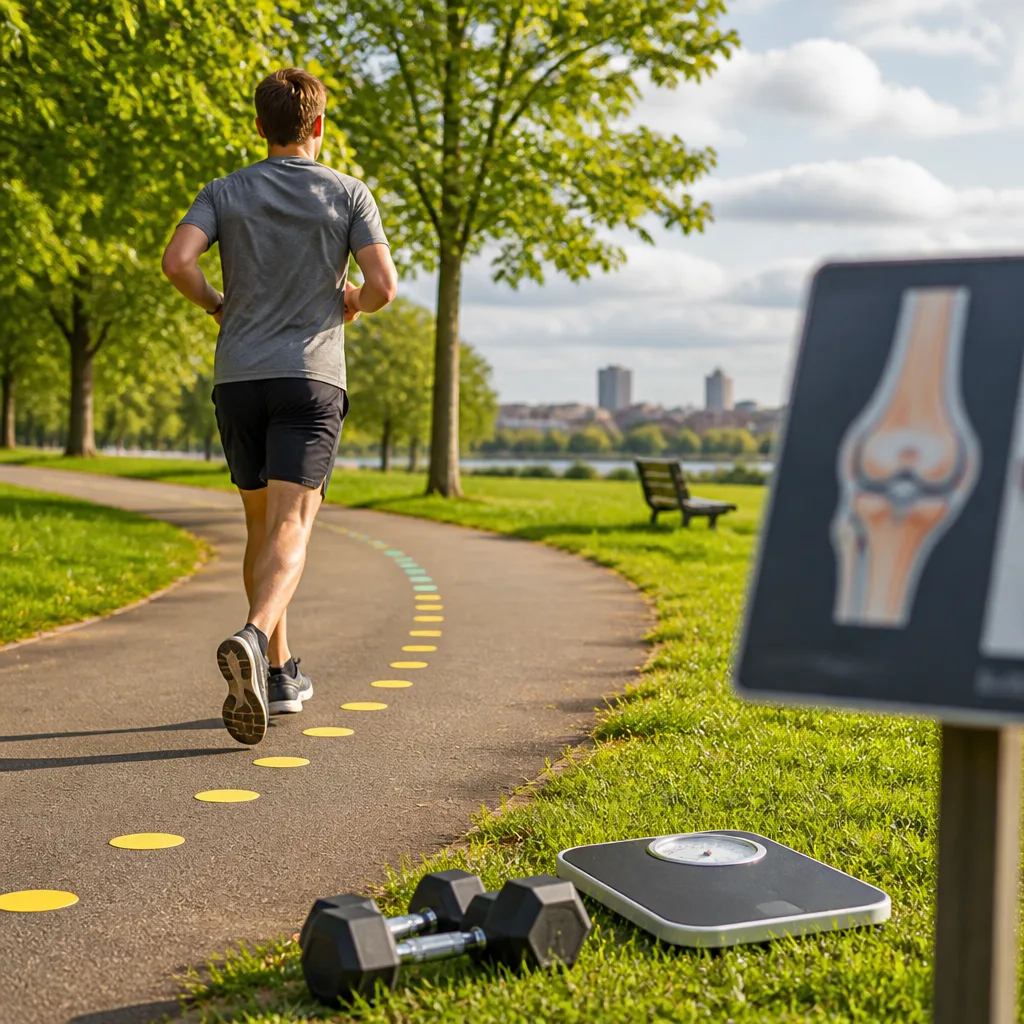
Worried that pounding the pavements will ruin your knees? A neurologist at India’s Apollo Hospitals has pushed back against that widespread belief, saying running does not necessarily cause joint damage and offering a set of practical, evidence-based steps to protect knee and hip health.
Exercise protects joints, not destroys them
Dr Sudhir Kumar used a post on X (formerly Twitter) to tackle what he described as “one of the most persistent myths about osteoarthritis (OA)” — that routine activity, particularly running, wears joints out. He emphasised that staying active through a range of aerobic pursuits is beneficial for joints and for reducing pain and disability associated with OA.
"Exercise does not 'wear out' healthy joints."
In his post, Dr Kumar listed seven evidence-based recommendations to help protect knees and hips. The source material provides specific detail on five of those points; the remainder were not included in the excerpt.
Five practical steps outlined by the neurologist
- Keep moving: Aerobic activities such as walking, cycling and swimming are recommended for joint health. Regular exercise is presented as one of the best-supported strategies to maintain joint function and reduce OA-related pain.
- Reassess running: The claim that "running destroys your knees" is labelled a myth. Sensible, progressive running is generally considered acceptable for people with healthy joints.
- Build strength: Targeted strengthening of the quadriceps, hamstrings, glutes, calves and hips can improve joint function and increase the load that knees and hips tolerate. Dr Kumar noted you do not need a gym to benefit — bodyweight exercises such as squats, step-ups and lunges, plus resistance bands, can be effective.
- Manage weight: Excess body weight increases mechanical load on knees and hips and is an important, modifiable risk factor for osteoarthritis. For people carrying extra weight, combining weight loss with exercise is highlighted as a powerful approach.
- No one-size-fits-all exercise: There is no single 'best' form of activity for everyone. Individual factors should guide whether higher-impact or lower-impact exercise is most appropriate.
These points underline a shift in thinking from avoiding movement to selecting and adapting activity so that it supports joint resilience.
How to apply the advice safely
For readers wondering how to put the guidance into practice: start gradually if you are new to exercise, prioritise strength training around the hips and legs, and choose low-impact aerobic options if you have existing pain or are returning from injury. Simple home-based strengthening — for example, progressive squats, lunges, and step-ups — can build the muscular support that reduces stress on joint surfaces.
Maintaining a healthy bodyweight is also important because each extra kilogram increases the mechanical load the knee must bear. For people who are overweight, pairing modest weight loss with strengthening and aerobic work can reduce symptoms and improve mobility.
| Recommendation | Why it helps |
|---|---|
| Keep moving | Preserves joint function and lowers OA-related pain |
| Strength training | Improves load tolerance and joint stability |
| Maintain healthy weight | Reduces mechanical load on knees and hips |
| Tailor impact | Matches exercise to individual needs and injury history |
Readers should note that the source material referenced seven recommendations in total; only five were detailed in the available extract. For people with persistent joint pain or a history of injury, seeking personalised advice from a clinician or a physiotherapist is sensible before embarking on a new exercise programme.
The overall message is clear: staying active and strengthening the muscles that support the joints are among the most reliable strategies to maintain knee and hip health, and should not be avoided out of fear that movement will inevitably cause deterioration.














