
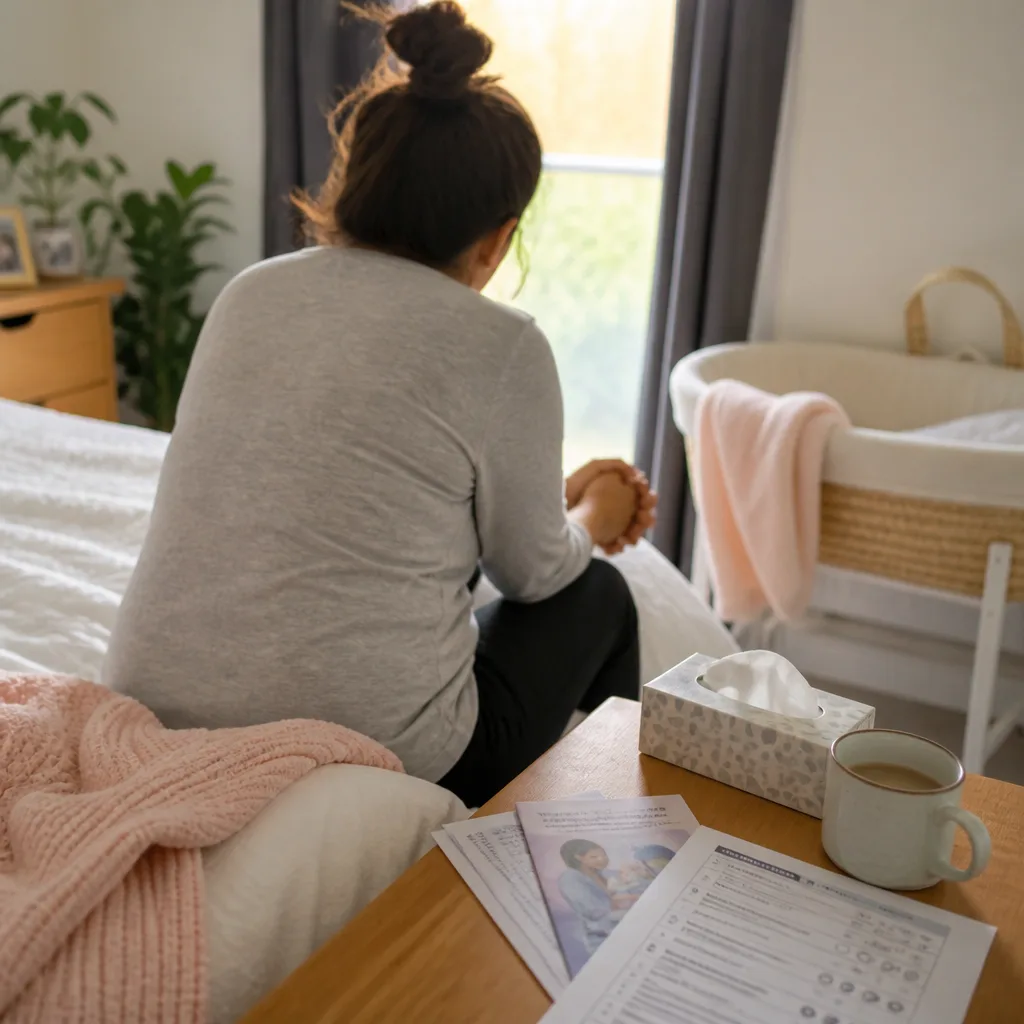
Motherhood does not always start with celebration. For many women the early days after a baby’s arrival are dominated by exhaustion, fear, grief, numbness or simply the hard work of getting through each day, a clinically trained mental health expert has told HT Lifestyle.
Emotions vary — and that’s normal
Prakriti Saxena Poddar, Global Head at Roundglass and a clinically trained mental health and wellbeing professional, said that while some people meet parenthood with immediate connection and joy, others experience a very different emotional landscape. These reactions, she stressed, do not indicate a lack of love or capability.
“Some mothers first meet motherhood not through joy but through simple survival… None of this makes them less loving or less capable,”
Her comments underline that there is no single emotional pathway into parenting. The term often used to describe this profound psychological change is matrescence — a process that reshapes a person’s body, identity, relationships and sense of self.
Why attention often shifts away from the mother
Much of the public conversation around the postpartum period focuses on the baby: feeding, sleeping and weight gain frequently dominate discussions in clinics, family groups and online. Poddar argues that questions about whether the baby is thriving are important, but they should be paired with equally direct enquiries about how the mother feels — emotionally and physically.
“We ask whether the baby is thriving. We do not always ask whether the mother feels safe inside her own mind and body,” she explained, pointing to a tendency for the mother’s own needs to become secondary once an infant is born.
Practical pressures that compound the transition
Poddar highlighted several common practical and biological factors that can intensify distress in new mothers. These include recovery from surgery or birth injuries, the aftermath of a difficult pregnancy, fluctuating hormones and severe sleep disruption. At the same time daily routines, personal independence and close relationships are often altered or diminished, leaving many women to adapt to a new reality.
- Physical recovery: surgery or birth-related injuries can limit mobility and wellbeing.
- Hormonal change and sleep loss: both affect mood, cognition and energy levels.
- Loss of routine and support: shifts in identity and relationships can increase feelings of isolation.
These are not exhaustive, but they illustrate why some mothers experience the early months as survival rather than celebration. Recognising this is a first step towards better support.
What this means for care and policy
The expert’s observations carry implications for healthcare professionals, families and policymakers. If maternal emotional safety is given the same priority as infant wellbeing, clinical assessments, peer support programmes and postnatal check‑ups could change to include routine questions about the mother’s mental state and sense of safety.
Such a shift would also affect how partners, families and employers approach the postpartum period — recognising that practical help, flexible arrangements and non‑judgemental listening can all play a role in helping mothers navigate matrescence.
| Area | Possible early sign | Support suggested |
|---|---|---|
| Physical recovery | Pain, limited mobility | Access to physiotherapy, pain management |
| Mood and cognition | Exhaustion, numbness, anxiety | Screening for perinatal mental health, counselling |
| Social and identity change | Isolation, loss of routine | Practical support, peer groups, flexible return to work |
While not every mother will need clinical intervention, the routine inclusion of maternal wellbeing in postnatal care conversations could normalise the wide range of emotional responses and lower the threshold for seeking help.
For readers who are pregnant, newly parented or supporting someone who is, recognising the signs that the transition is proving difficult is important. Simple practical measures — opening a conversation, offering non‑judgemental help or accompanying someone to a health appointment — can make a tangible difference.
The expert view is a reminder that celebrating the baby and safeguarding the mother are not mutually exclusive; both deserve attention if families are to thrive.