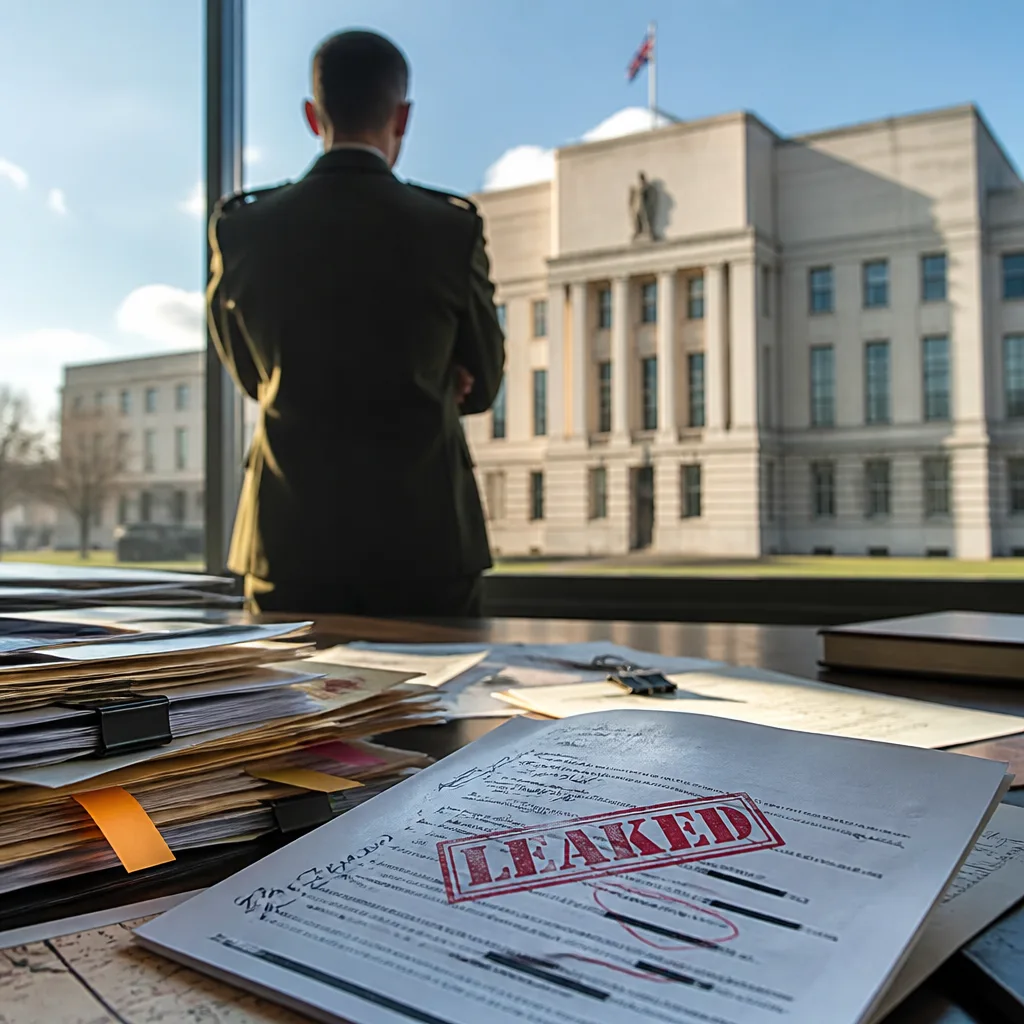
A leaked report has concluded that the Defence Serious Crime Command — the military unit established to investigate the most serious offences within the armed forces, including rape and sexual assault — has fallen short in serving victims, according to material seen by news organisations.
Allegations of systemic shortcomings
The material suggests there have been failings within the unit, which was created to provide specialist investigative capacity in cases that would otherwise be handled by service police. The report, circulated privately before being disclosed to the media, examines how allegations of grave offences are handled and assesses the service the unit provides to those who come forward.
Officials set up the Defence Serious Crime Command to centralise and professionalise inquiries into the most serious allegations in the armed forces. According to the leaked material, the unit’s remit includes inquiries into sexual offences, serious physical assaults and other crimes that would in civilian life be investigated by specialist major crime teams.
Implications for victims and military justice
The findings in the leaked document are likely to intensify scrutiny of how the military investigates allegations that have a profound impact on victims and on the reputation of the services. Concerns over investigative standards, victim care and the independence of inquiries can affect whether service personnel report offences and whether cases proceed to charge and trial.
- Scope of the unit: investigates the most serious crimes within the armed forces, explicitly including sexual offences and rape.
- Primary concern: the report highlights shortcomings in how victims are treated and how investigations are conducted.
- Broader consequences: potential erosion of confidence in military investigatory processes and pressure for external oversight or reform.
While the leaked document identifies weaknesses, it does not in itself constitute an adjudication of individual cases. Any operational failings set out in the review would be for the Ministry of Defence and military leadership to address, and for independent bodies to review where appropriate.
Calls for oversight and reform
The disclosure of the report to the media is likely to prompt renewed calls from victims’ groups, parliamentarians and legal organisations for clarity on how the armed forces handle allegations of serious crime. Issues that typically arise in such debates include the independence of investigators, access to specialist victim support, transparency of decision-making, and whether service personnel can expect equivalence with civilian criminal justice procedures.
| Area | Concern raised in report |
|---|---|
| Victim care | Shortcomings in support and communication |
| Investigative standards | Failures alleged in handling serious allegations |
| Institutional trust | Risk of reduced confidence among service personnel |
Ministers and senior military figures will face pressure to set out how they intend to respond to the report’s findings, including whether there will be immediate changes to procedure, additional resources for specialist investigators, or referrals for external scrutiny. Any operational or structural reforms could also have implications for the relationship between service policing and civilian forces where jurisdiction overlaps.
For victims, the central question is whether the armed forces can provide timely, independent and effective investigations that deliver justice and appropriate support. The leaked report — by identifying areas where the Defence Serious Crime Command is perceived to have failed — has made that question more urgent for policymakers and for those responsible for upholding the rule of law within the military.
Until the Ministry of Defence or the services publish an official response to the leaked material, it remains unclear which of the report’s recommendations will be accepted and implemented. However, the disclosure is likely to spur parliamentary scrutiny and to focus attention on whether current arrangements meet the standards expected in the criminal justice system.