
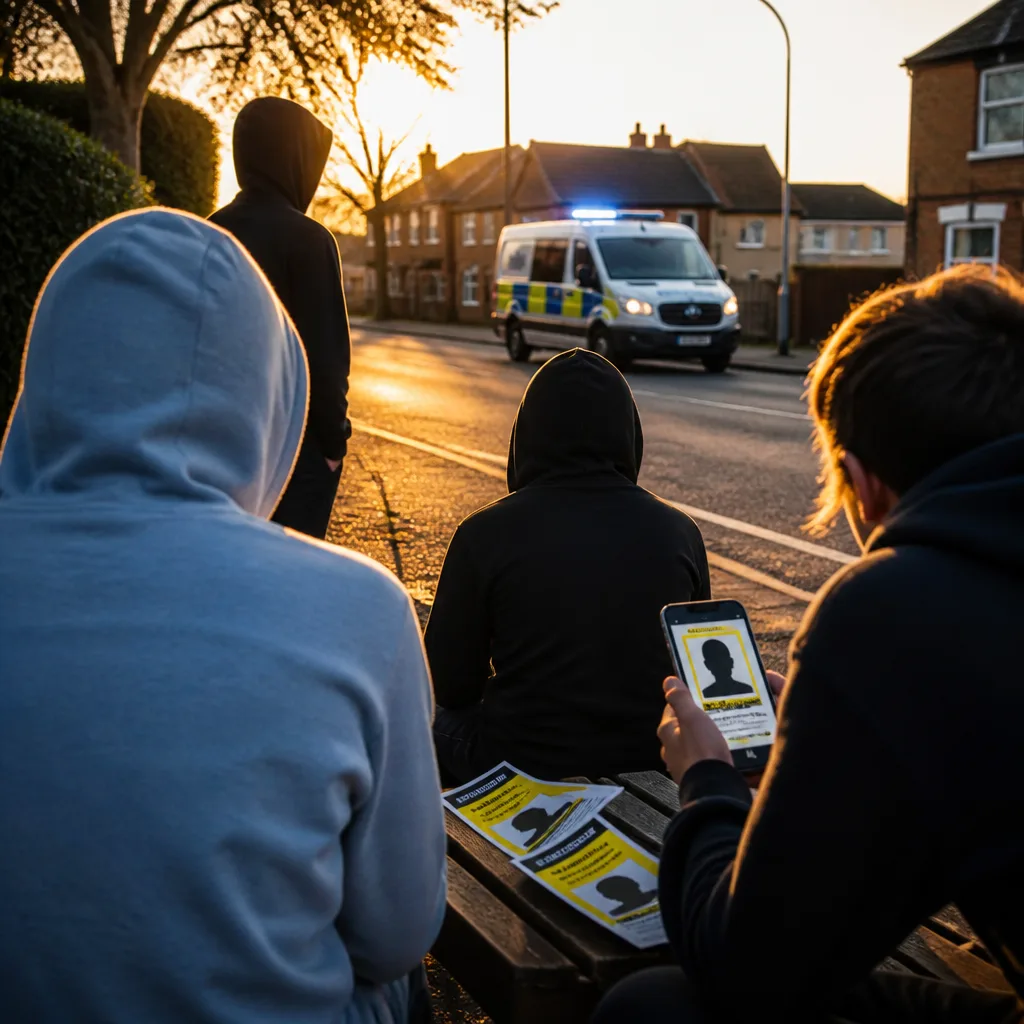
Only one in five people in the South West believe that young people in their area would inform police if they knew someone was carrying a knife, new research shows, prompting a charity campaign to push anonymous reporting.
Low trust in police reporting, higher uptake for anonymity
The YouGov survey, commissioned by the charity Crimestoppers, indicates significant reluctance among young people to go directly to police with information about knife-carrying. The figure rises to 50% when respondents were asked whether young people would use an anonymous reporting channel.
"No family should have to experience the heartbreak ours has endured," said Martin Cosser, whose son Charlie was fatally stabbed in 2023.
Crimestoppers has responded by promoting its youth service, Fearless.org, which allows people to pass on information without giving their identity. The charity says awareness of the anonymous nature of its service is still limited in parts of the country.
Survey findings
Key regional and national results from the YouGov research include:
- 20% — proportion in the South West who think young people would report knife-carrying to the police.
- 50% — proportion in the South West who believe young people would use an anonymous service.
- 43% — proportion in the South West who cite fear of retaliation as a reason for not reporting to police.
- 31% — proportion nationally of 16- to 25-year-olds who said they would be very likely to report knife crime directly to police.
- 45% — proportion nationally of adults (all ages) who said they would be very likely to report knife crime directly to police.
- 37% — proportion in the South West aware that Crimestoppers is completely anonymous and independent from police.
| Measure | Result |
|---|---|
| Young people likely to report to police (South West) | 20% |
| Young people likely to use anonymous service (South West) | 50% |
| Fear of retaliation (South West) | 43% |
| 16–25s likely to report to police (UK) | 31% |
| All adults likely to report to police (UK) | 45% |
| Aware Crimestoppers is anonymous (South West) | 37% |
Families and campaigning
Martin Cosser, whose son Charlie was killed in 2023 while trying to protect a friend, urged those with information to come forward anonymously if they were afraid to contact police directly. He said fear could prevent people from speaking up and that a single tip could make a difference.
Crimestoppers has concentrated efforts on raising awareness of Fearless — its youth-facing reporting platform — and emphasises that the service is independent of and entirely separate from police forces. The charity argues that encouraging anonymous reporting could surface vital information about knife crime that otherwise remains unreported.
Implications for policing and prevention
The findings underline a gap between young people’s willingness to use anonymous channels and their readiness to engage with police directly. Campaigns that expand knowledge of non-police reporting routes may increase the flow of intelligence, but they also raise questions about how such information is integrated into law enforcement investigations and community safety strategies.
Police services and community organisations will need to assess how to convert anonymous tips into actionable leads while preserving trust and safety for those who provide information. The research also points to continuing concerns about retaliation among the public, a factor that victims and witnesses say can deter cooperation with criminal justice processes.
Crimestoppers says it hopes that stepped-up promotion of anonymity and independence will encourage more young people to pass on what they know and potentially prevent further tragedies.














