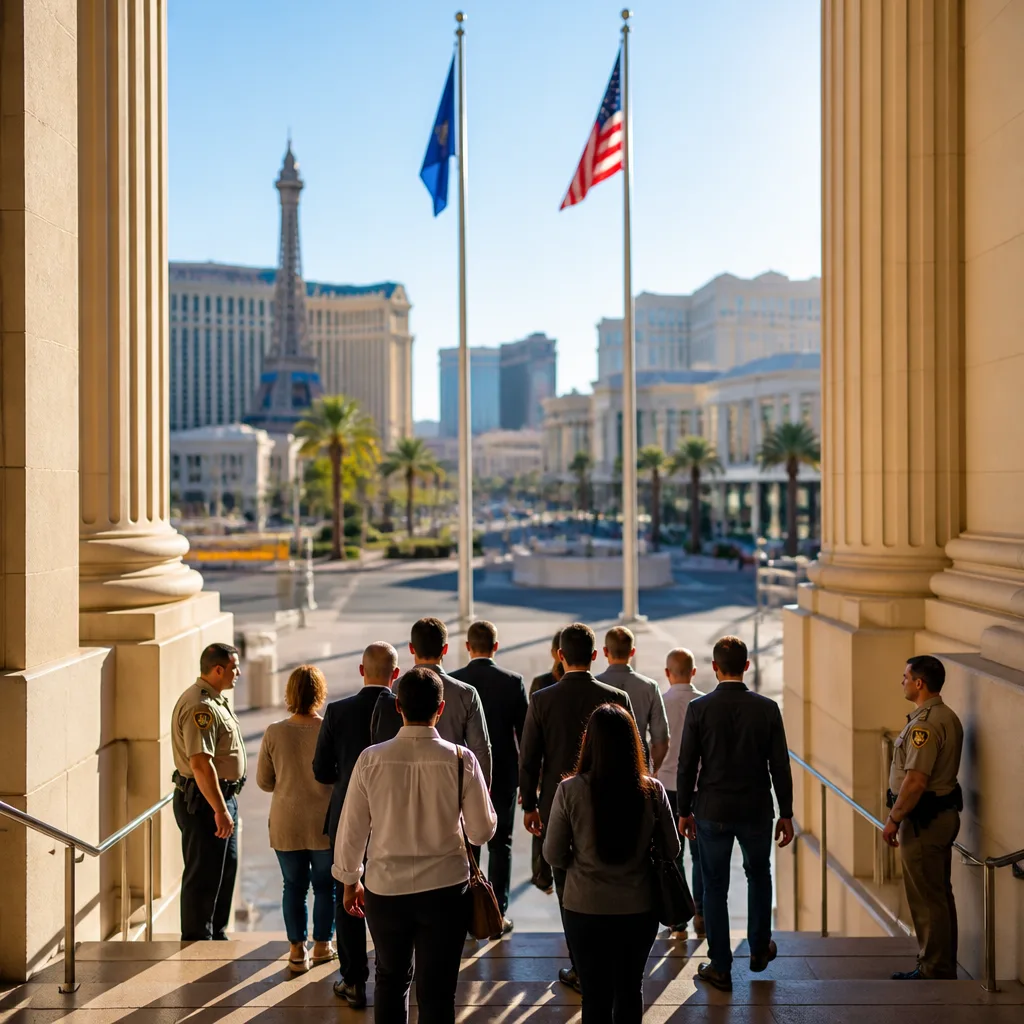
Jury selection opened on Monday in Las Vegas as Duane "Keffe D" Davis, 63, faces a single count of murder with a deadly weapon linked to the 1996 shooting death of rapper Tupac Shakur. The hearing marks a rare criminal trial over a high-profile killing that has remained unresolved in the public mind for almost three decades.
Prosecution to argue leadership role, not trigger pull
Authorities have charged Davis with murder alleging the act was carried out to further or assist a criminal gang. Davis has been in custody since 2023 and has pleaded not guilty. Prosecutors say they will not seek to prove Davis personally fired the shots that struck Shakur; instead, their case will try to establish that he was the decision-maker for the group that targeted the rapper on the Las Vegas Strip on 7 September 1996.
Prosecutors will argue Davis was the "shot caller" — the leader or decision‑maker — for the group that targeted Shakur.
The trial, which began with questioning of a pool of roughly 75 potential jurors, is expected to run for about a month. Nevada District Court Judge Carli Kierny conducted the initial juror screening, asking prospective jurors about basic issues such as medical needs and language barriers.
What the prosecution must show
Because the state intends to establish Davis's culpability through a leadership or conspiracy role, rather than as the shooter, its legal theory will centre on proving he arranged, commanded or otherwise instigated the shooting.
- Charge: One count of murder with a deadly weapon with intent to promote, further or assist a criminal gang.
- Defendant: Duane (Keffe D) Davis, aged 63; has pleaded not guilty and is in custody since 2023.
- Incident: Shooting of Tupac Shakur on the Las Vegas Strip, 7 September 1996.
- Trial length: Expected to last about a month, beginning with juror selection.
Historical and cultural context
Tupac Shakur's death was a watershed moment for hip-hop and remains one of the most closely watched unsolved murders in American pop culture. The case has spawned decades of speculation, books, documentaries and civil litigation. A criminal prosecution so long after the event invites close scrutiny of evidence, witness memory and the practical challenges of litigating historic violent crime.
Legal observers will be watching how the prosecution marshals witness testimony and any corroborating material to link Davis to the planning of the attack rather than direct involvement with a firearm. The decision not to attempt to show who pulled the trigger frames the trial as one about command responsibility within a group alleged to have carried out violence.
Logistics and what comes next
With jury selection under way, the immediate procedural step is seating a panel capable of hearing a case steeped in long‑running media attention and cultural significance. If the trial proceeds on schedule, witnesses will be called and the prosecution and defence will present their competing narratives over the coming weeks.
| Year | Event |
|---|---|
| 1996 | Shooting of Tupac Shakur on Las Vegas Strip (7 September) |
| 2023 | Duane Davis taken into custody |
| 2026 | Jury selection begins in Las Vegas; trial expected to last about a month |
Beyond the courtroom, the trial is likely to renew media and public attention on the circumstances surrounding Shakur's death and the broader interplay of violence, culture and the criminal justice system in the 1990s hip-hop era. Whatever the outcome, the proceedings will be another significant chapter in a story that has resonated far beyond the music world.