
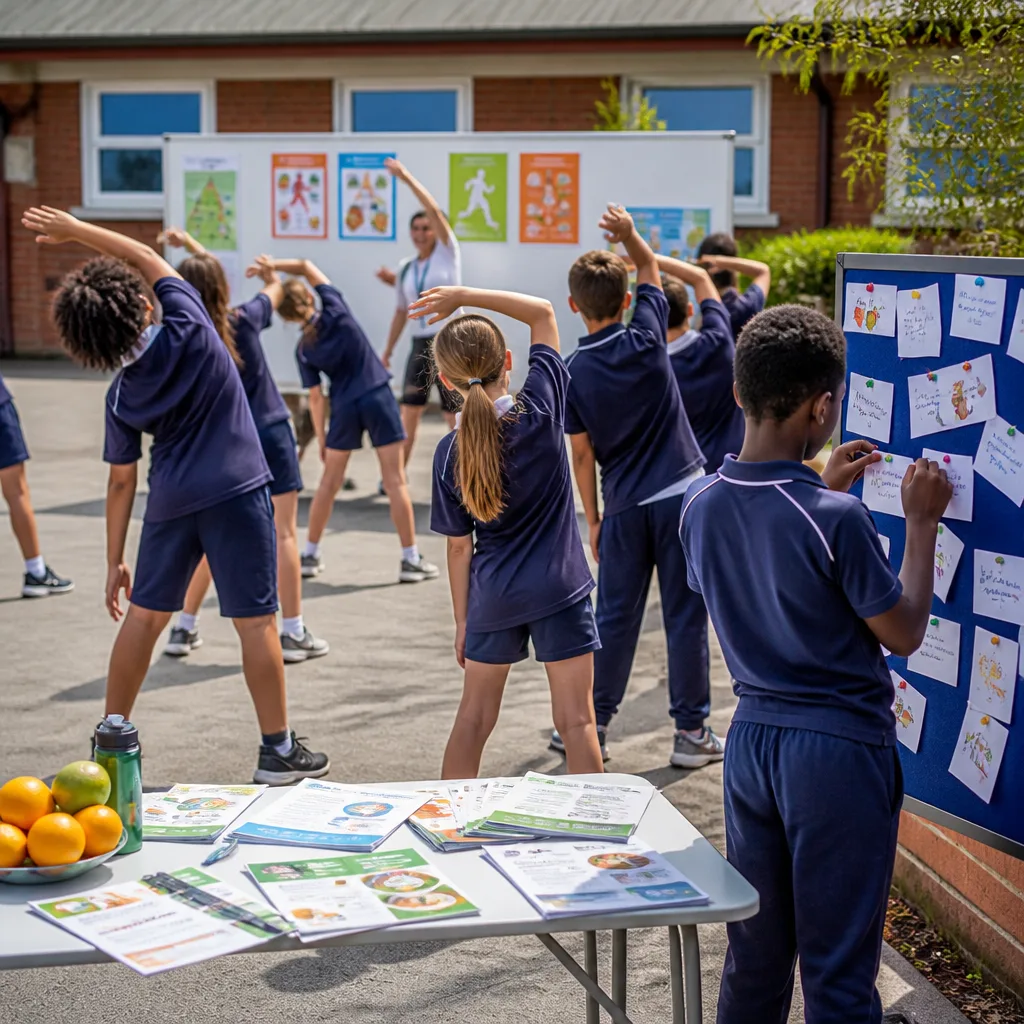
The Department of Physical Medicine and Rehabilitation (PMR) at the Jawaharlal Institute of Postgraduate Medical Education and Research (JIPMER) has delivered a week-long health awareness campaign across four government schools to encourage regular physical activity and help prevent non-communicable diseases (NCDs) among young people.
Targeting prevention through education
The programme, carried out as part of JIPMER’s focus on preventive healthcare and community-based education, reached students at government schools in Gorimedu, Mudaliarpet, Katterikuppam and Embalam. According to a press note issued by the institute, sessions emphasised healthy lifestyle practices and the role of regular exercise in reducing the risk of NCDs.
Activities during the week included presentations developed in line with World Physiotherapy guidance, demonstration exercise videos, distribution of community outreach handbills and a healthy lifestyle pledge inviting students to adopt more active routines and healthier habits.
Practical elements of the campaign
The initiative combined information-giving with practical demonstrations so pupils could both understand and apply simple, evidence-informed steps towards better health. The campaign materials and sessions focused on the link between physical inactivity and long-term conditions such as heart disease, diabetes and other NCDs, underscoring prevention through everyday behaviour.
- Duration: week-long campaign
- Number of schools involved: four government schools
- Key components: presentations, exercise demonstration videos, handbills, and a healthy lifestyle pledge
- Guidance basis: aligned with World Physiotherapy recommendations
| School area | Main activities |
|---|---|
| Gorimedu | Presentations, exercise videos, pledge |
| Mudaliarpet | Presentations, handbills, exercise demonstrations |
| Katterikuppam | Presentations, exercise videos, community outreach |
| Embalam | Presentations, pledge, health education materials |
Why school-based prevention matters
School settings are widely regarded as effective venues for preventive health work: they reach large numbers of children and adolescents at formative stages when lifelong habits are being shaped. By using visual demonstrations and simple pledges, JIPMER’s approach aims to make the messages accessible and actionable for young people.
Materials aligned to World Physiotherapy guidance help ensure that the recommended activities are consistent with international physiotherapy standards, emphasising safe and evidence-based movement rather than prescriptive or unrealistic exercise regimes.
The press note describes the initiative as reflecting JIPMER’s emphasis on preventive healthcare and community-based health education. While the campaign itself is local to the schools named, it is an example of how tertiary medical institutions can extend their role beyond clinical care into health promotion and early intervention.
For families and schools looking to replicate elements of the campaign, practical starting points include integrating short, guided activity breaks into the school day, using clear, age-appropriate educational materials on the harms of inactivity, and encouraging small, sustainable pledges that students can adopt at home and in school.
By building regular movement into daily routines and reinforcing those behaviours through accessible education, initiatives such as JIPMER’s aim to reduce the burden of NCDs in the longer term and promote healthier, more active lives from an early age.














