His Majesty’s Chief Inspector of Constabulary has warned that many police forces in England and Wales still need to improve the way they investigate crime and carry out other fundamental duties, saying too many victims are not receiving the standard of service they should expect.
Key shortcomings identified
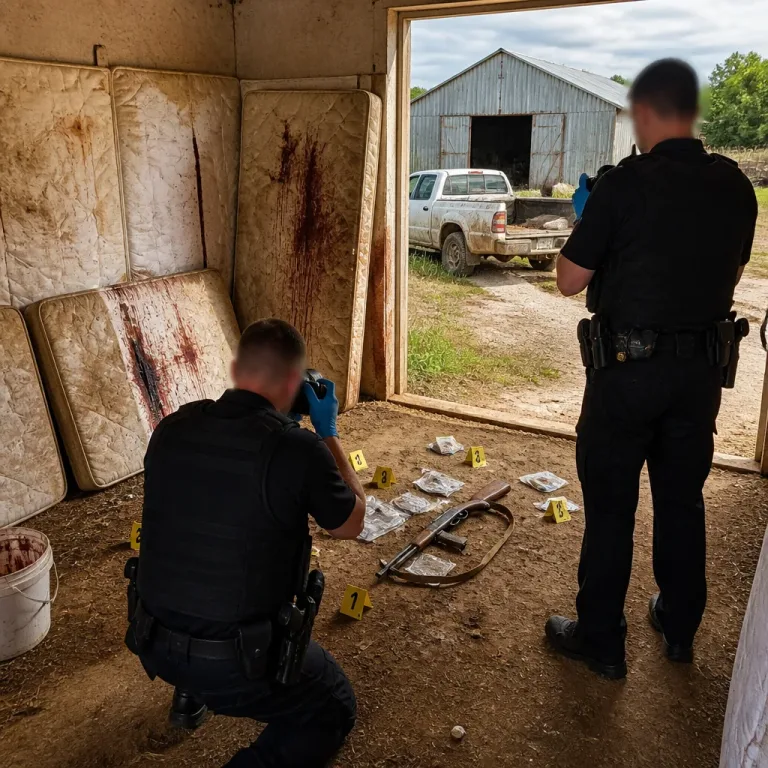
The annual report, published by the inspectorate, highlights repeated weaknesses in the handling of investigations. Inspectors found failings in core investigative activities such as gathering evidence, identifying and progressing lines of inquiry, and maintaining communication with victims about the status of their cases.
While the report records progress in some areas — notably neighbourhood policing and work by regional organised crime units that tackle offenders across force boundaries — it cautions that the overall performance on investigation quality and custody environments remains unsatisfactory in the current inspection cycle.
"It was a pivotal moment for policing," the report records Michelle Skeer as saying. "If managed correctly, I firmly believe that reform presents a significant opportunity to deliver a better service for both the public and those working within policing."
Forces assessed and ratings
The inspectorate assesses all 43 forces in England and Wales on a two‑year cycle. In the current cycle, 13 forces were examined and none achieved a rating of "good" or "outstanding" for their performance in investigating crime or in providing a safe and lawful custody environment. Forces included in the latest assessments were:
- Merseyside
- Cumbria
- Devon & Cornwall
- Suffolk
- Staffordshire
- Thames Valley
- West Yorkshire
- Northamptonshire
- Surrey
- Wiltshire
- North Yorkshire
- Humberside
- Kent
| Area | Inspectorate finding |
|---|---|
| Investigations | Insufficient evidence gathering and weak progression of lines of inquiry |
| Victim care | Too many victims not updated or receiving consistent service |
| Contact and response | Delays in handling emergency and non‑emergency calls; slow incident response times |
| Safeguarding | Inconsistent recognition of vulnerability and variable missing‑person handling |
Practical consequences and concerns
The deficiencies set out in the report have practical consequences for victims and communities. Poor evidence collection and failure to pursue lines of inquiry can mean cases are not progressed effectively, reducing the chance of offenders being brought to justice. Inconsistent communication leaves victims uncertain about whether their matter is being taken seriously or acted upon.
Inspectors also raised concerns about the way some forces manage calls and deploy resources. Delays in both emergency and non‑emergency call handling, together with slow response times, undermine public confidence and may put vulnerable people at risk. The report highlights particular problems in recognising and responding to vulnerability, including inconsistencies in how missing‑person incidents are prioritised and resourced.
Workforce strengths and reform opportunity
Despite the criticisms, the report underlines that policing’s greatest strength is its workforce. The inspectorate notes that the vast majority of officers demonstrate professionalism and courage. That observation accompanies the Call to Action in the report: the need for forces to address basic operational standards while national and local leaders implement reform.
- 43 forces are inspected on a two‑year cycle
- 13 forces were assessed in the current cycle
- None of those 13 achieved a "good" or "outstanding" rating for investigations or custody
The inspectorate’s findings present a clear message for chief constables and police and crime commissioners: improvement in basic investigative practice, victim communication and safeguarding must be prioritised alongside broader reform efforts to restore public confidence in policing.
Ministers and policing leaders will now consider the report’s recommendations as they develop plans to address the gaps identified, balancing the need to support frontline staff with demands for improved performance and accountability.