
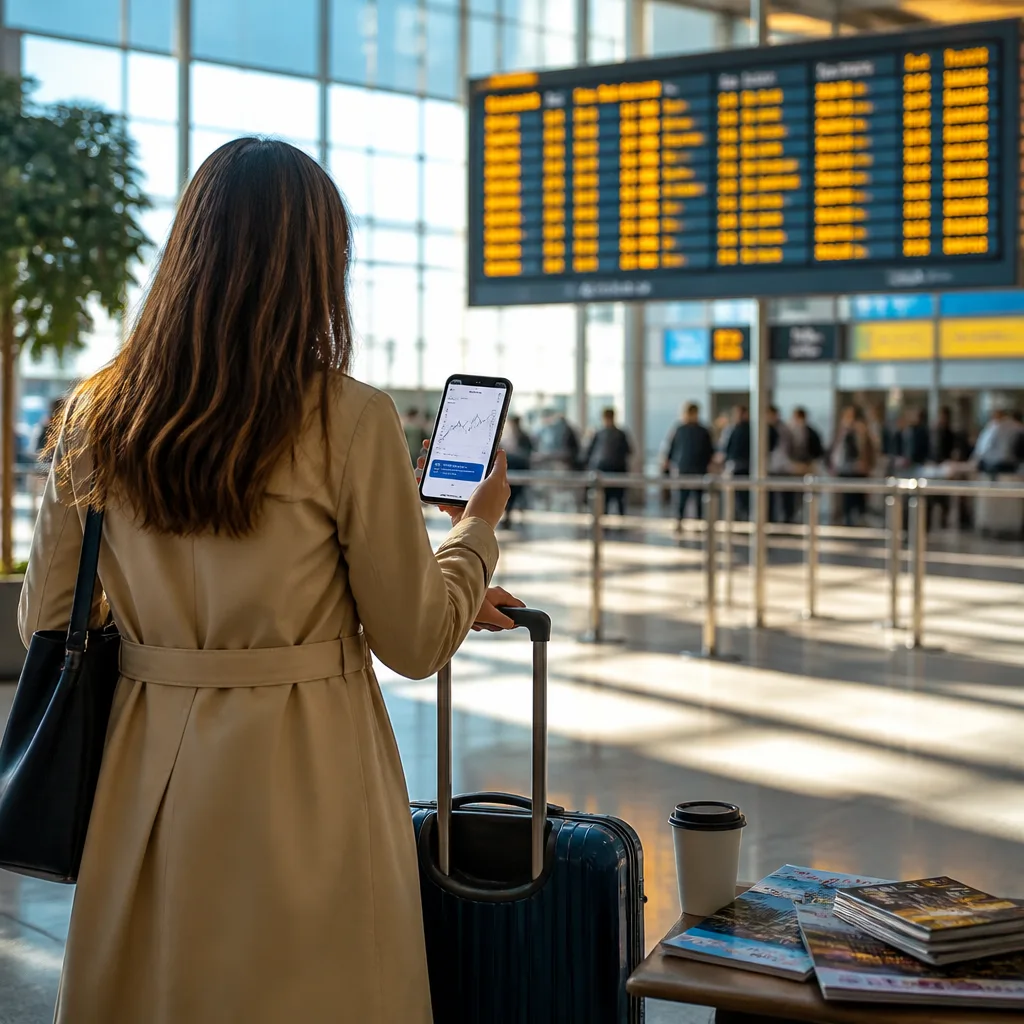
Average travel expenses are running around 10% higher than a year ago, and one segment — airfares — has seen particularly sharp increases, according to a July travel inflation analysis. With prices pinching household budgets, travellers are seeking practical ways to keep holidays and short breaks on the agenda.
What the numbers show
Data compiled from the Consumer Price Index and recent industry reports reveal uneven but meaningful increases across travel categories: airfares have climbed by about 26.5%, while spending on meals out and entertainment is up roughly 3.4% and 3.6% respectively. Hotel and other lodging costs have risen by about 4.8%.
| Category | Year-on-year change |
|---|---|
| Airfares | +26.5% |
| Lodging | +4.8% |
| Eating out | +3.4% |
| Entertainment | +3.6% |
Despite the pressure on prices, consumer appetite for travel remains strong. A survey of more than 3,000 people by a travel insurance marketplace found that just over half — 54% — plan to reallocate household spending to fund trips in 2026. Respondents said they would cut other outgoings to preserve holiday plans: roughly 19% expect to reduce retail shopping and 12% plan to dine out less.
Where to find the biggest savings
Industry insiders stress that the largest single ticket-item for most trips is the flight, so decisions about destination and timing can move the dial most strongly on your total spend. One tour operator points out that flights to some destinations remain markedly cheaper than others.
“Round-trip flights to Ecuador from Miami or Houston are currently some of the least expensive international flights, costing $400 to $600, while flights to Europe range from $900 to $1,400.”
That comparison underlines two practical approaches: consider countries where the flight outlay is lower and look for destinations where your spending power stretches further once you arrive.
- Be flexible on destination and timing — shifting dates by a few days or choosing a less popular arrival city can cut airfare substantially.
- Compare total trip cost, not just flights — a cheaper return fare might be offset by higher local prices for accommodation, food and activities.
- Prioritise where to save — if flights are the biggest cost, aim savings there; accept modest increases in cheaper categories where it makes sense.
Practical tactics for saving
Beyond destination choice, travel professionals recommend a range of tactics that work for short breaks and longer trips alike. Many are straightforward and don’t require sacrificing the experience you travel for.
- Book smart: set fare alerts, check different airports, and consider midweek travel when demand — and prices — tend to be lower.
- Mix accommodation types: combine a few nights in a hotel with self-catering or serviced apartments to reduce nightly costs without losing comfort.
- Eat like a local: prioritise markets, picnics and lunch deals over evening restaurant meals, which are often pricier.
- Bundle and insure: booking packages or travel insurance can protect against sudden cancellations and may save money compared with piecemeal buys.
- Think longer, not costlier: slow travel — staying longer in one place — can lower per-day transport costs and often reveals cheaper ways to enjoy a destination.
For many households the choice is not whether to travel but how to make travel affordable. Cutting back in other areas — retail purchases, dining out at home — is already the plan for a significant portion of would-be travellers, according to the survey. For those unwilling to curb trips entirely, targeted adjustments to destination, timing and daily spending can preserve travel plans while limiting the hit to the bank balance.
If you’re planning a break, start by benchmarking likely flight costs and comparing the total estimated spend across destinations. That simple step will show whether a cheaper flight really makes the whole holiday less expensive, or if a slightly pricier fare leads to lower costs on the ground and a better overall deal.














