
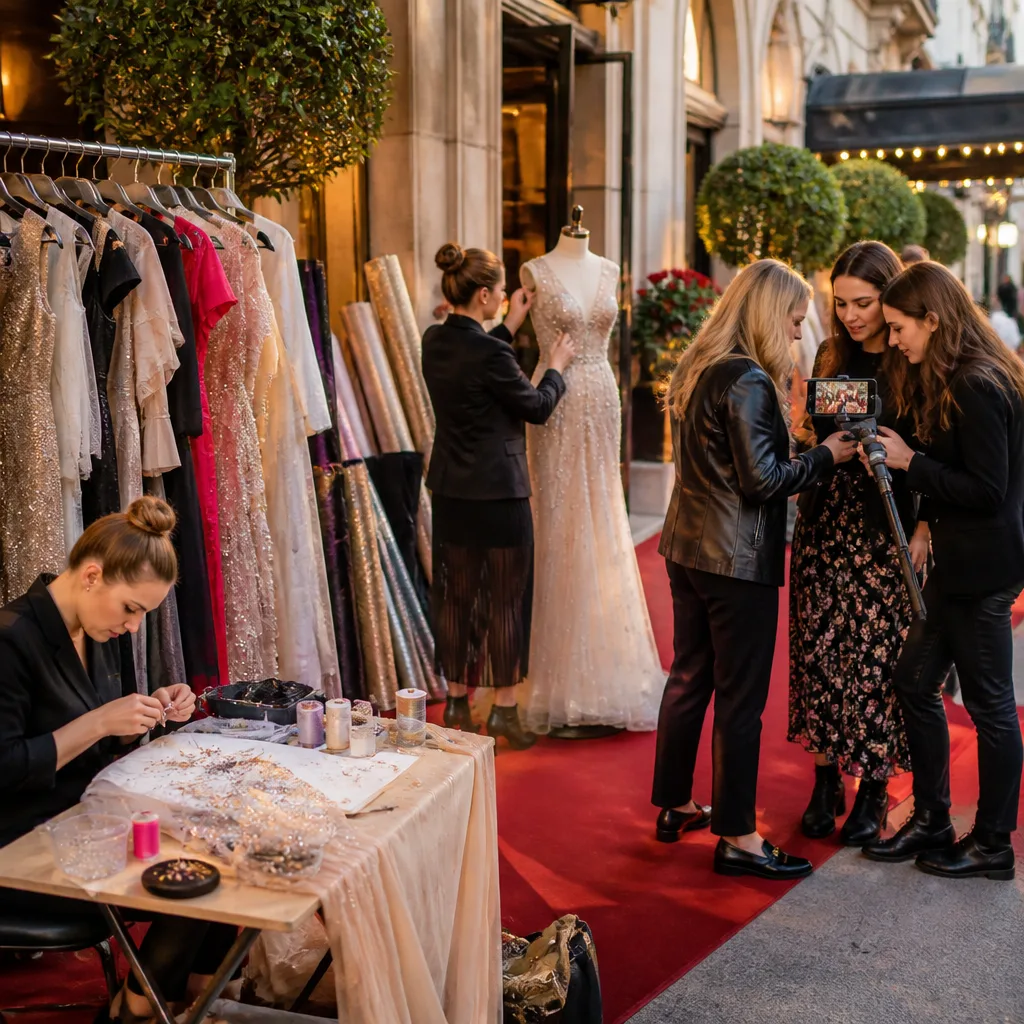
The Brownlow Medal red carpet has undergone a marked transformation in recent years, moving from casual, last‑minute outfit purchases to curated, couture‑led statements backed by teams of stylists and dressmakers. The shift is felt by those who have watched the event evolve and by a new generation for whom the Brownlow is as much about style theatre as it is about sport.
From off‑the‑rack to custom gowns
One of the most telling personal stories comes from Caitlin Cameron, who attended her first Brownlow in 2020. At the time a 21‑year‑old university student, she had just a week to put together a look and resorted to a quick shop with her mother. The dress she wore was a black silk‑satin one‑shoulder gown with embellishment, a piece she describes as the fanciest thing she owned then.
“I raced out to James Street in Brisbane with my mum and just bought something off the rack,” she recalled, adding that the gown was “definitely the fanciest thing I owned at the time.”
That spontaneous approach increasingly contrasts with current expectations. Stylists and couturiers now regularly collaborate with guests, and a bespoke gown is often treated as a requirement rather than a luxury. Fashion professionals say the event has matured from prom‑style dressing to what one stylist calls a “lush and sophisticated awards gala”.
What changed — and why it matters
Industry observers point to several factors behind the fashion elevation at the Brownlow:
- Increased media scrutiny — more cameras, red‑carpet coverage and social media mean looks are broadcast and archived instantly.
- Professionalisation of styling — stylists, hair and make‑up artists, and social‑media managers now form part of a last‑minute production line for looks.
- Expectation of customisation — bespoke gowns and couture names have become commonplace as attendees seek singular, memorable outfits.
Those changes have also brought a greater confidence in the choices made on the night, according to a veteran stylist who reflected on a recent shift in tone and ambition for Brownlow fashion.
Past moments that shaped perception
The Brownlow’s fashion history contains high points that challenged sensibilities and helped define future trends. Two earlier moments are often cited:
| Year | Figure | Why it mattered |
|---|---|---|
| 2001 | Tania Buckley | A jewel‑encrusted whale‑tail detail that was then viewed as risqué but now appears prescient. |
| 2012 | Brynn Edelsten | A daring, revealing gown that drew major attention and signalled how bold choices could dominate conversation. |
These and similar moments have shown how a single outfit can alter public expectations and challenge what is considered acceptable or fashionable at the event. In turn, those moments help fuel demand for more dramatic, bespoke and conversation‑driving looks.
From a cottage industry to a fashion ecosystem
The Brownlow night supports a small but thriving industry of designers, stylists and beauty professionals who often have only weeks, or even days, to prepare an outfit. The ecosystem now includes couturiers who create custom gowns, stylists who assemble complete looks and online teams who manage the social rollout once the dress is revealed.
For some long‑time attendees, the event has become more intense: one guest who has attended more than a dozen times described the brighter spotlight and higher stakes for fashion choices on the night. The result is a Brownlow that functions as both a sporting celebration and an increasingly significant fashion showcase.
As the spectacle grows, so does the dialogue around originality, taste and the interplay between sport and celebrity style. Whether future nights will push the boundary further or consolidate a more refined aesthetic remains to be seen — but for now the transformation from a rushed wardrobe grab to couture presentation is clear.














