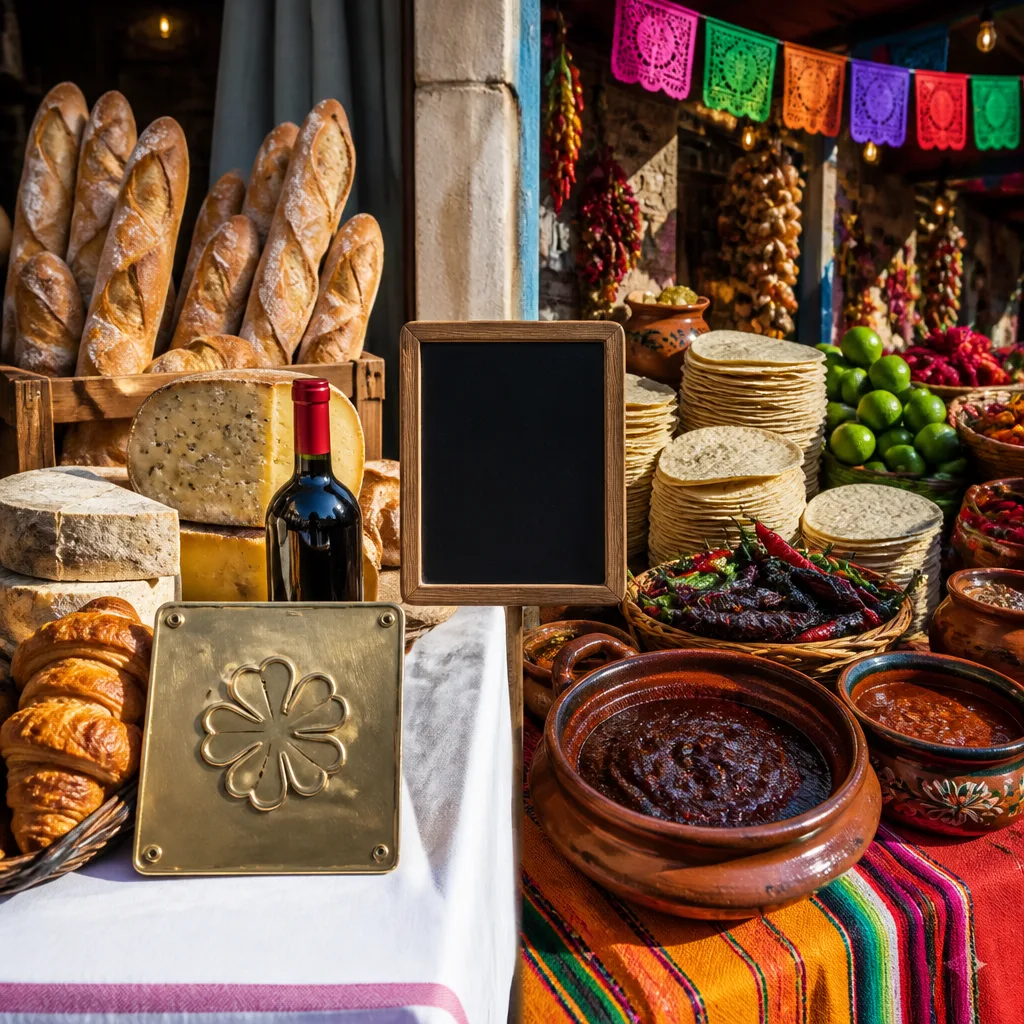
France and Mexico are the latest culinary contenders in a travel-focused round-up that names 43 dishes visitors and home cooks should sample to understand each country's food culture. The feature separates the lists into 20 French preparations and 23 Mexican specialities, setting out both haute cuisine landmarks and time-honoured street-food favourites.
Why these two food traditions matter
The piece places the contest in wider context: France is celebrated for its formal culinary training, Michelin accolades and the global status of its breads, while Mexico is praised for its rich blending of Indigenous techniques and Spanish influences, especially around maize-based preparations and slow-cooked meats. Together, the lists aim to give readers a route-map through dishes that represent historical practices, regional variations and contemporary revivals.
For anyone planning a trip or simply wanting to broaden their weekly menu, the guide is useful because it highlights different entry points to both cuisines — from bakeries and brasseries in France to markets and taquerías in Mexico.
Highlights from each side
Rather than present every item, here are some representative examples that capture the range on offer:
- France: classic preparations such as slow braises, iconic pastries, and regional staples that underpin the country’s culinary reputation.
- Mexico: dishes rooted in pre-Hispanic corn processing, regional moles, and an emphasis on slow-cooked, layered flavours.
The roundup also finds room for less familiar entries. On the French side, a cheese called cancoillotte — described as low-fat and high-protein with a long history — is singled out as resurging in supermarket aisles. For Mexico, the list moves beyond tacos and burritos to spotlight an array of salsas, stews and regional cooking techniques that deserve attention.
“Choose your fighter as we’re going all in on a battle of national fare,” the guide says, framing the feature as a culinary duel between two very different gastronomic traditions.
Practical takeaways for readers
If you want to taste your way through either country without relying on tourist traps, consider these tips:
- Seek out neighbourhood markets and small family-run eateries for the most authentic versions of staples.
- Look beyond headline dishes; regional specialties often tell a richer story about local produce and heritage.
- When sampling cheese or cured goods, ask vendors about provenance and traditional production methods.
For those who won’t travel soon, reproducing some of these dishes at home can be a rewarding alternative. The feature pairs cultural context with approachable choices — pastries or a simple stew, for example — that home cooks can attempt without professional equipment.
| Country | Number of dishes listed |
|---|---|
| France | 20 |
| Mexico | 23 |
The feature also connects food to wider travel storytelling in the same round-up, which covers topics from unusual island destinations to wildlife encounters and public-health advisories. That broader context reinforces the idea that food is part of an experience — not only sustenance but a lens on environment, history and seasonality.
Whether you favour delicate French technique or the depth of Mexican slow-cooking, this list is a handy starter pack. It encourages readers to taste deliberately: to prioritise local producers, to ask questions, and to let a single dish be an invitation into a deeper regional narrative.
For Lifestyle readers planning trips or a month of cooking projects at home, the takeaway is simple: explore deliberately, savour slowly and let the stories behind the food guide your choices.