
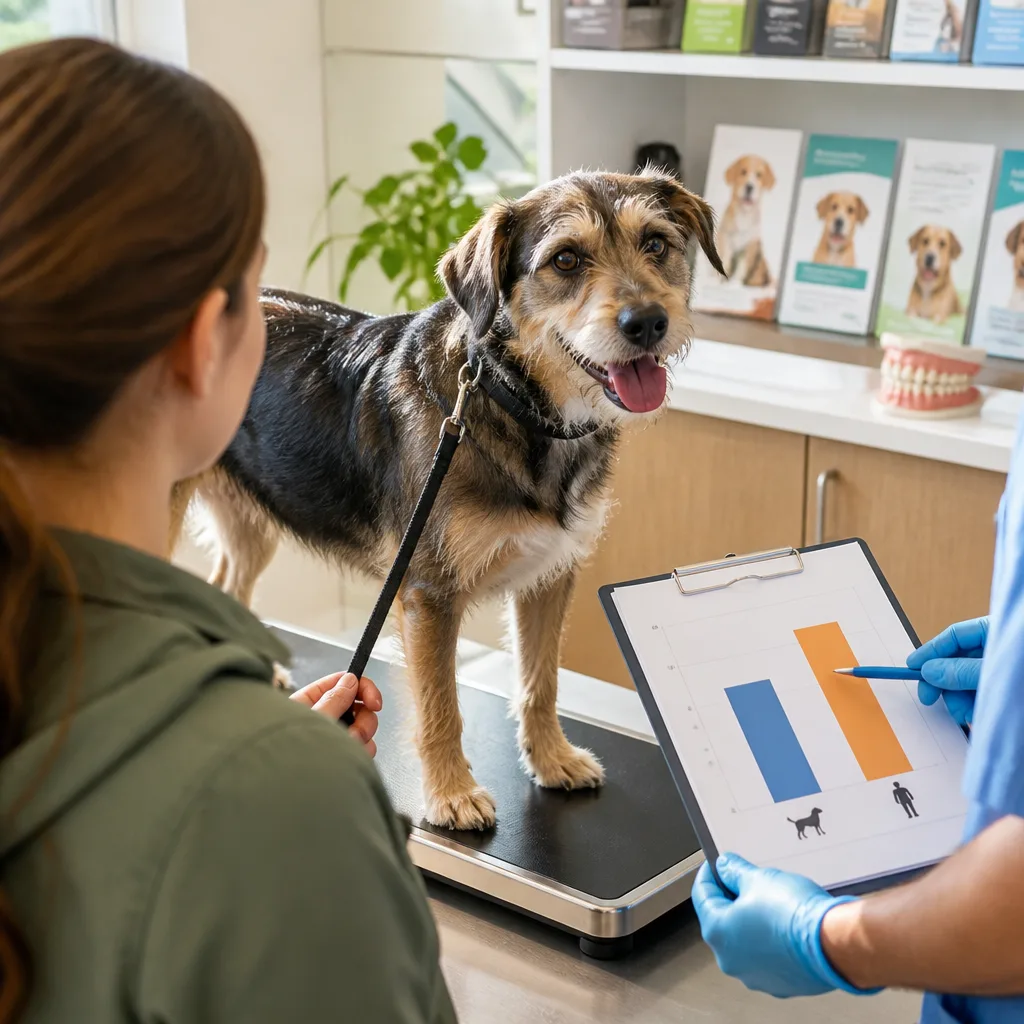
Owners who want their dogs to enjoy longer, healthier lives have clear, research-backed actions they can take now, say leading UK experts. With an estimated 13 million pet dogs in Britain and a typical canine lifespan of about 11.2 years compared with a human average of 81, veterinarians and animal epidemiologists stress that prevention and everyday care matter.
What determines a dog’s lifespan
Specialists point out two broad categories that shape a dog’s health: the traits a dog is born with and everything that happens afterwards. The first — sometimes called innate health — includes inherited anatomy and basic physical functions, which can be heavily influenced by breeding practices. The second covers clinical care, nutrition, exercise and environment.
“There are two types of health: clinical health and innate health. Innate health is the stuff you’re born with.”
The distinction matters because some inherited problems — for example brachycephalic (flat-faced) features that restrict breathing, extreme skin folds or severe spinal conformation — cannot be fully corrected by diet or exercise. Experts warn that, for many breeds, these innate factors have a larger impact on overall wellbeing than lifestyle alone.
Practical steps owners can take
Veterinary leaders recommend owners focus on manageable, evidence-based measures to boost a dog’s chances of a longer, healthier life. Key areas include regular veterinary checks, appropriate weight management, tailored exercise, dental care and mental stimulation.
- Regular health assessments — routine clinical checks help detect issues early when they are most treatable.
- Weight control — maintaining an ideal body condition reduces risk of diabetes, joint disease and other chronic conditions.
- Breed-aware care — owners should be informed about inherited risks in their dog’s breed and work with vets to manage them.
- Appropriate exercise and enrichment — both physical activity and mental stimulation support mobility and cognitive health.
- Dental and preventative care — oral health and vaccinations are linked to longer-term wellbeing.
Experts also urge potential dog buyers to consider innate health when choosing a puppy or adult dog. Breeding practices over the last century have changed many breeds’ morphology; selecting animals from responsible breeders or rescue organisations that prioritise health can reduce lifelong risks.
How much difference can owners make?
While genetics set limits, the cumulative effect of consistent, good care is significant. Owners who combine regular veterinary oversight with sensible nutrition, exercise and an environment that prevents injury can extend the length and quality of their dog’s life. That approach mirrors human public-health thinking applied to companion animals: prevention, early detection and tailored management.
For many households, the bond with a pet now shapes daily routines and family life. As researchers note, recognising dogs as members of the family has practical consequences: it increases willingness to invest time and resources in health, which in turn can yield measurable benefits in longevity and wellbeing.
| Statistic | Value |
|---|---|
| Estimated number of dogs in the UK | 13 million |
| Average dog lifespan | 11.2 years |
| Average human lifespan (for comparison) | 81 years |
Owners seeking to maximise their pet’s healthy years should start with a frank conversation with their veterinary team about breed-specific risks and a realistic prevention plan. Small changes — keeping weight in check, scheduling regular check-ups and providing suitable activity — add up. For many families, these practical steps are the best route to enjoying more time with their dogs.














