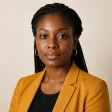
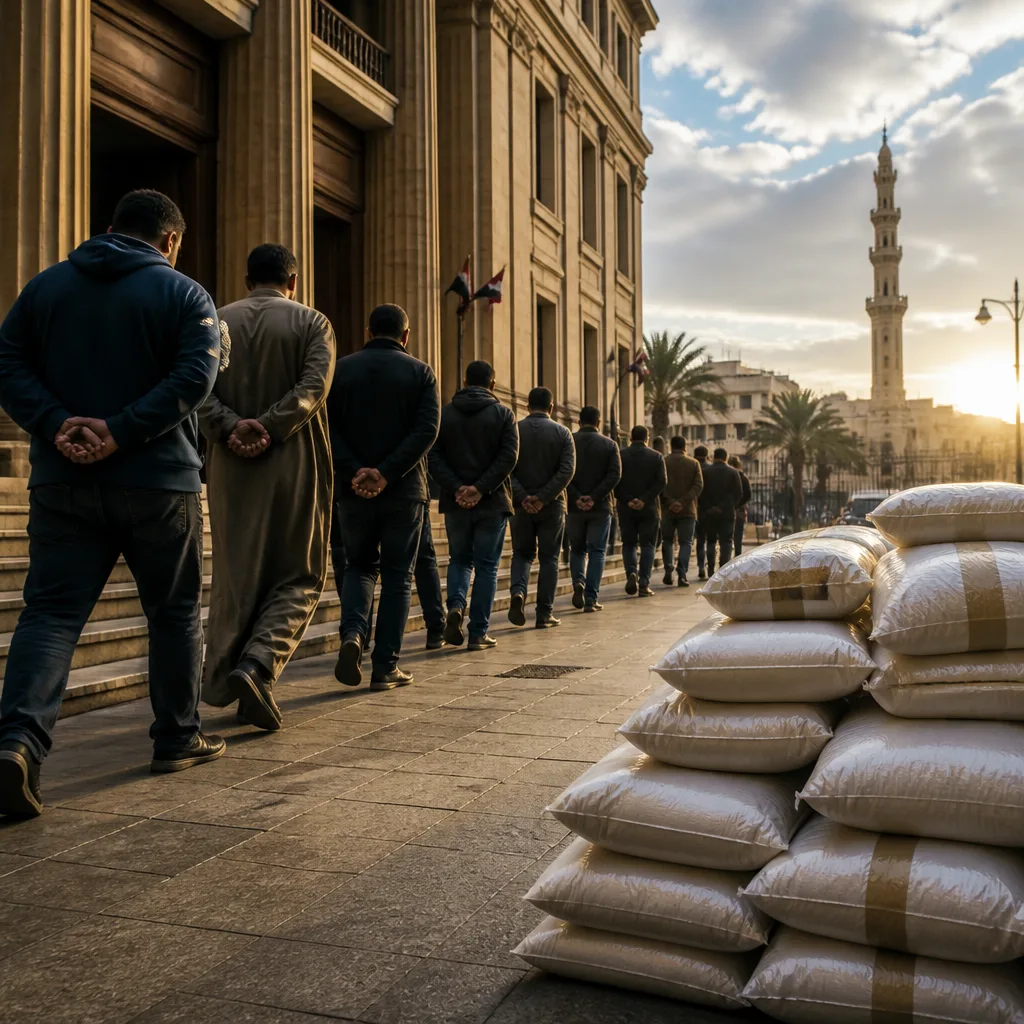
An Egyptian court has sentenced television presenter Sarah Khalifa and 11 others to death by hanging after convicting them on drug-related charges, state media reported on Friday. Nine co-defendants were given life terms and seven people were acquitted, according to the official press.
Verdict confirmed after religious review
The announcement followed a month-long pause while the court sought a formal opinion from Egypt’s grand mufti, a procedural step required by Egyptian law before a death sentence can be finalised. Khalifa, 39, who is best known for hosting a crime-focused television programme, has denied the allegations and her lawyer said an appeal would be lodged.
State-owned al-Ahram reported that the defendants were judged to be members of a criminal group accused of importing precursor materials used to manufacture narcotics with an intention to distribute them. Reports also said illegal firearms and munitions were found in connection with the case.
“I had never seen any drugs until I was photographed with them inside the anti-narcotics authority offices,” Khalifa told the court during a hearing last September, according to state reporting.
Evidence and charges
Prosecutors presented what state outlets described as substantial material evidence. Authorities said they had seized more than 750kg (1,653lbs) of narcotics and the imported raw materials alleged to be used in their production. Officials also cited witness statements and electronic evidence, including recorded conversations and video clips.
International human rights organisations have previously expressed concern about the use of the death penalty in non-homicide cases in Egypt. A 2025 Amnesty International report referenced by state media noted that some of the defendants in similar cases were convicted of offences such as drug trafficking and rape — matters which Amnesty said did not amount to the level of deliberate killing that international law typically reserves for capital punishment.
| Outcome | Number |
|---|---|
| Death sentences | 12 |
| Life imprisonment | 9 |
| Acquitted | 7 |
| Seized narcotics (reported) | 750kg |
Context and possible consequences
The case highlights several recurring legal and policy issues in Egypt: the frequency of death sentences, the role of the grand mufti in confirming capital punishments, and the international scrutiny that follows prosecutions involving non-lethal crimes.
- Procedural step: Under Egyptian practice, lower courts often refer proposed death sentences to the grand mufti for a non-binding religious opinion before final confirmation.
- Human rights scrutiny: Amnesty’s reporting has drawn attention to the use of capital punishment in cases that do not involve intentional killing.
- Appeals process: Khalifa’s legal team has indicated they will challenge the sentence in the Egyptian courts.
The case will attract attention both inside Egypt and internationally, particularly from human rights groups and media freedom advocates, given Khalifa's public profile as a presenter on a programme concerned with crime. The attorney general’s office and state prosecutors have yet to publish a full compendium of the evidence cited in the verdict; the details now may be subject to review during the appeal process.
International organisations monitoring capital punishment note that Egypt handed down hundreds of death sentences in recent years and carried out a number of executions; Amnesty’s 2025 figures — cited in state reporting — recorded 492 death sentences and 23 executions in that year. Those figures form part of a broader debate about the application of the death penalty and legal standards in criminal proceedings.
For now, the immediate legal route for those condemned is appeal. The outcome of any higher court reviews will determine whether the sentences are upheld, commuted or overturned.