The killing of 13-year-old Caroline Dickinson while on a school language exchange in Brittany in July 1996 sparked a prolonged, international investigation that took police many years to resolve. Caroline was found dead in a dormitory at a youth hostel in Pleine-Fougères after being sexually assaulted and strangled in the early hours of 18 July, while other pupils in the same room slept nearby.
Night-time attack in a hostel dormitory
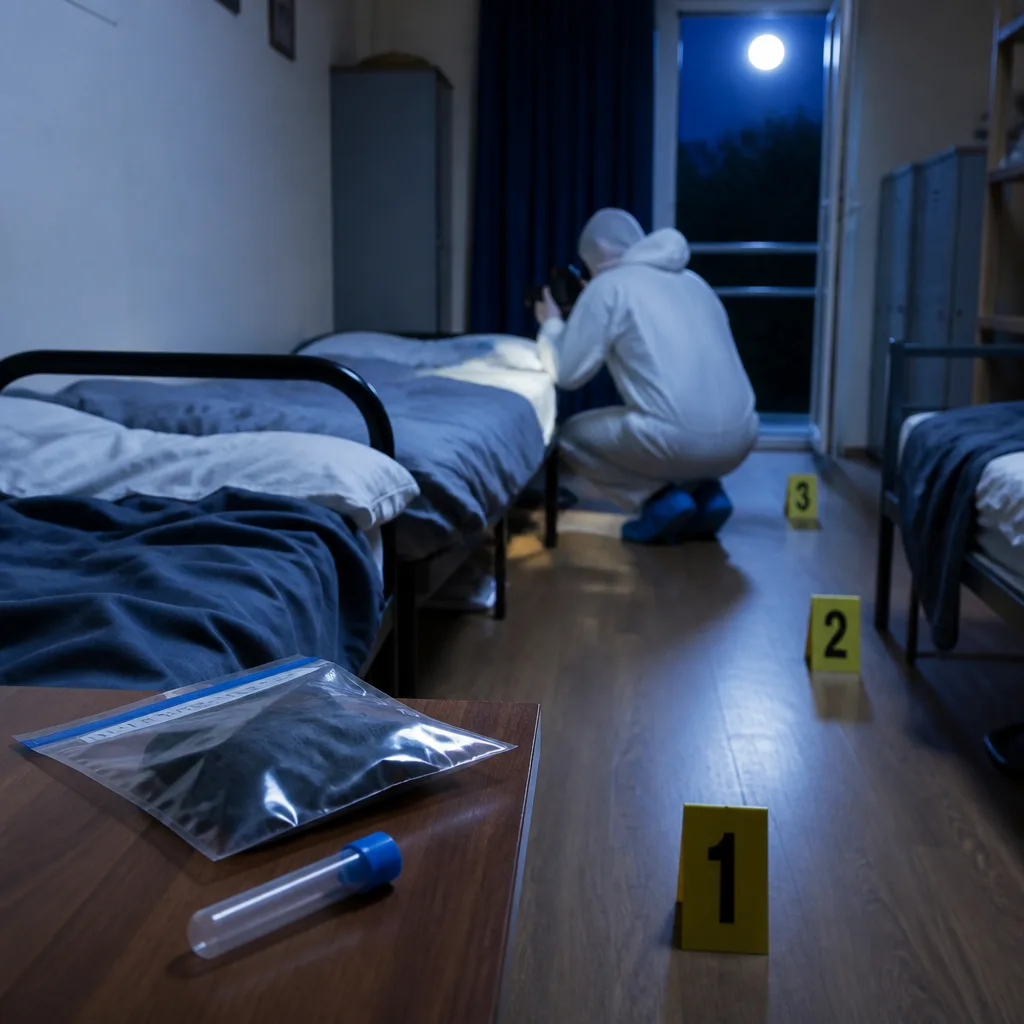
Caroline and her classmates spent the day sightseeing as part of the exchange. During the night one of the girls did not survive. Investigators concluded the assailant entered an unlocked dormitory after midnight. Caroline had been sleeping closest to the door, and it appears the offender targeted that position to gain quick access and depart without rousing the other girls.
Huge, cross-border inquiry
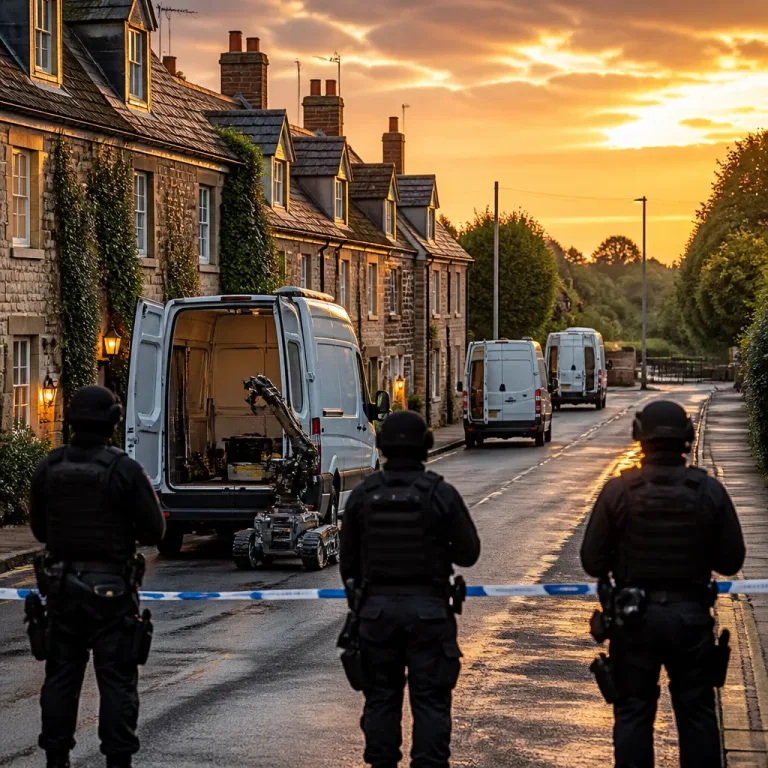
French police launched an extensive investigation that expanded rapidly beyond the immediate area. Detectives interviewed an exceptionally large number of people and collected thousands of forensic samples as they sought to identify who had entered the hostel that night.
- Approximately 10,000 people were questioned during the enquiry.
- More than 3,600 DNA samples were obtained and compared as forensic techniques advanced.
- Hundreds of fingerprints and other physical exhibits were retained for analysis.
| Aspect | Figure |
|---|---|
| People interviewed | ~10,000 |
| DNA samples taken | >3,600 |
The scale of the operation reflected both the severity of the offence and the difficulty investigators faced: there were no obvious witnesses and little immediate physical evidence pointing to a suspect. Early in the inquiry, police considered a number of lines of inquiry, and at least one individual falsely confessed before being eliminated by DNA profiling. That premature lead consumed resources and delayed progress.
Forensics and the long march to justice
Changes in DNA technology across the 1990s and 2000s gradually altered the prospects for solving the case. What began as an inquiry heavily reliant on witness accounts and limited forensic methods became one where advancing scientific techniques offered fresh opportunity. Over years, renewed comparisons and re-examinations of samples allowed investigators to rule out some individuals and refine their search.
The investigation’s longevity underlined both the persistence of the investigative teams and the challenges of achieving closure for families in cases that pre‑date modern forensic capability. For Caroline’s relatives and the wider community, the prolonged uncertainty has been a source of sustained anguish.
Legacy and lessons
As with many high-profile cold cases, the Dickinson enquiry highlights several broader issues for criminal justice and cross-border policing:
- The importance of preserving evidence so that it can be re-analysed as forensic science advances.
- The scale of resources required to investigate major incidents that have no immediate leads.
- The potential for false confessions to divert investigative effort and create additional distress for victims’ families.
While prosecutions and specific outcomes are determined by the courts and the evidence presented, the case of Caroline Dickinson remains a stark reminder of the long-term work that serious crime enquiries often demand. Developments in DNA technology have transformed how cold cases are handled, and this inquiry illustrates both the frustrations and potential of such advances when applied over many years.
Authorities continue to stress the need for rigorous evidence handling and international co-operation in cases that cross borders. For the family and friends of Caroline Dickinson, the events of July 1996 retain a painful resonance and are emblematic of the long road to forensic answers and, where possible, judicial resolution.