Climate summit closes amid deep divisions
UN climate talks in Antalya, Turkey, have ended without agreement on fossil fuels, after negotiations became caught in a dispute over whether the final outcome should address the future of coal, oil and gas. The failure to secure a deal leaves the conference facing criticism from countries whose communities are among the most exposed to the effects of a warming planet.
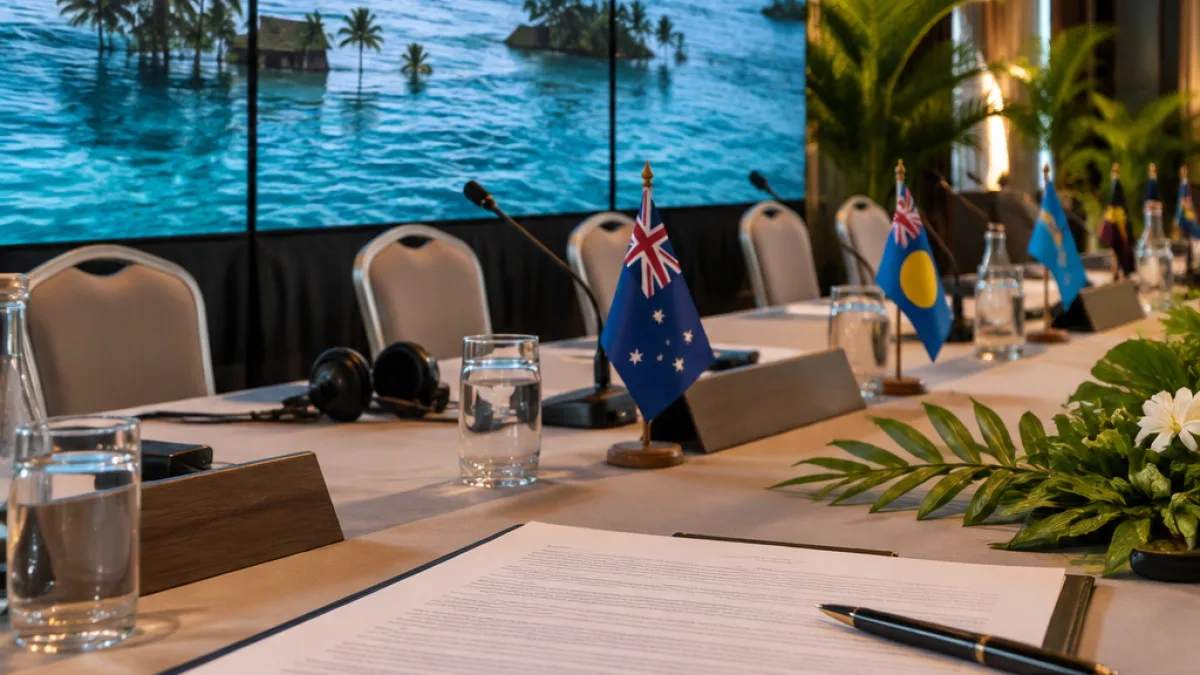
Representatives of vulnerable Pacific island states said they felt abandoned by the outcome, arguing that the latest draft did not provide the level of action required to protect their people, territory and future generations. Their intervention placed the human consequences of the negotiations at the centre of the closing stages of COP31, where delegates had been attempting to reach a common position.
“We have been let down on all sides. We will not compromise our future to benefit fossil fuel interests. We will not accept an outcome that undermines our security and threatens our future.”
The statement was delivered by the delegate for the Marshall Islands, a Pacific nation particularly vulnerable to rising sea levels. The representative said the lack of an agreed position on fossil fuels was unacceptable, while making clear that the islands would not support a settlement they believed placed political or commercial interests above their security.
Pacific states say draft fell short
Vanuatu also criticised the wording under consideration. Its spokesperson said the draft failed to meet the demands of international law, scientific evidence and the urgent needs of communities already at risk. The country said any agreement must not be reached at the cost of its people’s survival, sovereignty or the interests of future generations.
The dispute over fossil fuels was not the only subject under discussion, but it became one of the defining issues of the summit. Pacific representatives said silence on the matter could not be treated as a satisfactory compromise. Their comments underline the gulf between countries seeking stronger commitments to reduce dependence on fossil fuels and the difficulty of achieving consensus among the participating negotiating groups.
- Fossil fuels: delegates did not agree a settlement addressing them.
- Pacific nations: representatives said the result threatened their security and future.
- Oceans: references to the marine environment were among the limited areas of progress.
Oceans emerge as a limited area of progress
Amid the disagreement, the oceans were identified as one of the few areas where the talks produced movement. The latest text refers to the ocean or oceans 19 times, highlighting the growing place of marine issues in the language of the summit.
That reference provides a narrow point of progress within an otherwise contentious conclusion. It does not resolve the concerns raised by island states, however, or replace the agreement they had sought on fossil fuels. The contrast between the attention given to oceans in the text and the absence of a fossil-fuel settlement was particularly significant for countries whose security is closely tied to sea levels and the condition of the marine environment.
| Summit | Host city and country | Timing |
|---|---|---|
| COP31 | Antalya, Turkey | Closed after the fossil-fuel dispute |
| COP32 | Addis Ababa, Ethiopia | November 2027 |
Ethiopia prepares to take over presidency
The presidency of the climate process will now move to Ethiopia, which will host COP32 in its capital, Addis Ababa, in November 2027. Ethiopia was selected as the next host during COP30 in 2025.
Gedion Timothewos, the country’s president-designate for COP32, attended the Antalya meeting and held discussions with the current presidency and negotiating groups. Ethiopia’s Ministry of National Strategy said those discussions were intended to support a smooth handover.
The incoming presidency will be expected to raise ambition on climate change and establish a direction for the next summit. At the beginning of each COP, the nominated candidate is formally elected president. The transition gives Ethiopia time to set out its approach, but the criticism heard in Antalya means the next summit will begin against a backdrop of unresolved disagreement over fossil fuels and the protection of vulnerable communities.
For the Pacific island nations, the closing result was not simply a diplomatic disappointment. Their representatives framed it as a question of survival, sovereignty and the rights of people who face rising seas. As the process moves towards Addis Ababa, those concerns will remain central to the pressure on governments to turn climate language into stronger action.