
A sector group supporting the Build To Rent (BTR) market has urged property websites to move beyond the familiar checklist of price, bedroom count and postcode and to start giving prospective tenants a clearer picture of what living in a home will actually feel like.
From filters to lived experience
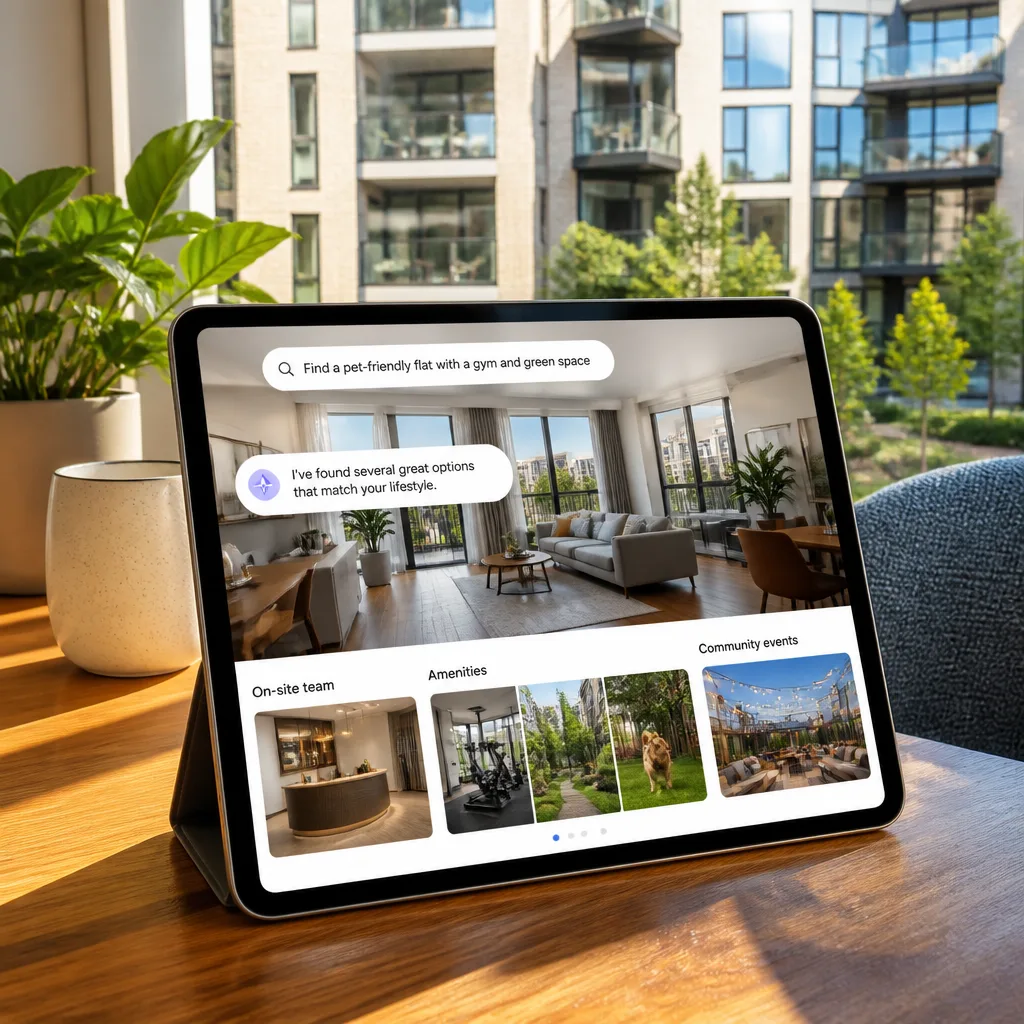
Love to Rent says technological change — including the rise of artificial intelligence on property portals — creates an opportunity to shift how people look for homes. Rather than relying on fixed dropdown filters, more platforms now allow users to describe their needs in plain language, such as priorities around commuting, schools, pets, green space or affordability.
But the group warns such advances will only improve outcomes if the content behind them is trustworthy, consistent and independent. In its view, information must explain not just physical attributes of a property, but the service and community residents can expect after moving in.
“People do not simply choose the number of bedrooms and a postcode. They are choosing how they want to live, who they will be renting from and what service and support they can expect once they have moved in.”
What renters want to know
Love to Rent argues that rental listings should include standardised, easy‑to‑verify detail about the resident experience. The group highlights several categories that matter to renters and that current listings often omit or present inconsistently.
- Management and responsiveness — how quickly and effectively landlord or managing agents deal with repairs and enquiries.
- Amenities and facilities — onsite services such as gyms, laundries, communal space and bike storage.
- Pet policies — clarity on whether animals are accepted and any conditions attached.
- Community and social life — information on resident events, neighbour culture and community management.
- Flexibility and tenancy terms — options for shorter tenancies, changes to household make‑up and subletting rules.
The group says AI could make searches more personalised and intuitive, but warned that an improved search interface is not a substitute for better data. If the factual backbone of listings is poor, search tools will simply make it easier to find unsuitable homes faster.
Implications for renters and industry
For tenants, clearer information could reduce the time and emotional cost of moving, and cut the risk of taking on a tenancy that does not match lifestyle needs. For operators and landlords in the BTR sector, providing transparent, consistent detail could become a market differentiator.
Love to Rent is backing a promotional week for the Build To Rent sector starting on 28 September, an initiative likely intended to raise awareness among consumers and encourage best practice across the industry.
| Area | Example of useful listing detail |
|---|---|
| Management | Average repair turnaround time; contact channels |
| Amenities | Opening hours, booking systems, extra costs |
| Pets | Allowed? breeds or sizes? additional deposit? |
| Community | Regular events, resident committees |
Industry observers say standardising such information will be challenging. Data currently sits across multiple systems — letting agents, landlords, property platforms and on‑site management — and there is no single regulator mandating a uniform set of public details for rental adverts.
Nevertheless, the momentum behind smarter search tools means there is political and commercial incentive to act. If platforms enable consumers to search by lifestyle priorities, the logic follows that listings should be enriched to support those queries.
Where platforms, landlords and trade bodies choose to set common disclosure standards, renters could benefit from greater clarity on day‑to‑day realities before committing to a tenancy.














