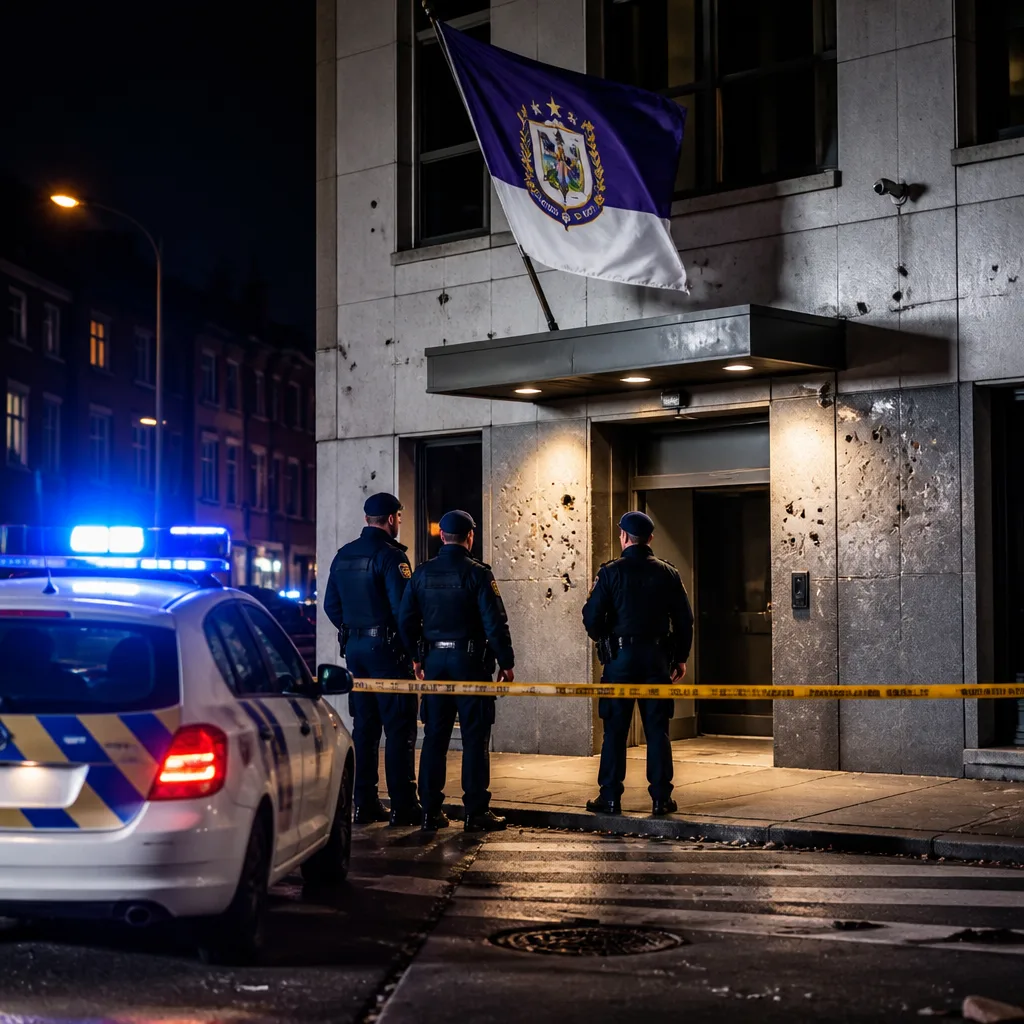
A senior Brussels official said the shooting at a police station in Anderlecht is a stark reminder of the threat posed by organised crime and pledged a stepped-up response as the capital seeks to reassure residents and restore confidence.
Regional leadership signals tougher stance
Boris Dilliès, the Minister-President of the Brussels region, said the incident underlined the need to ensure criminal networks do not establish dominance in the city. He made clear that the regional government would not allow organised crime to take root.
"organised crime will not be allowed to take over the city."
Mr Dilliès pointed to several concrete steps the regional administration is taking as part of a broader security and prevention agenda. Among these is the imminent appointment of a dedicated drugs commissioner, a post intended to coordinate regional strategy on drug-related issues.
Appointments, investment and regulatory measures
The drugs commissioner is due to assume the role at the end of September and will be tasked with drawing up an overall strategy to tackle drug-related crime and its social consequences across Brussels.
In addition to the new post, the region has earmarked €68 million this year for security and prevention measures. Mr Dilliès also signalled support for proposals from the Brussels public prosecutor, urging close attention to the recommendations put forward.
He further highlighted planned tighter rules on electric scooters as part of efforts to reduce avenues exploited by criminals and to improve public safety.
- Drugs commissioner to take office at the end of September.
- €68 million committed by the region in 2026 for security and prevention.
- Support for prosecutorial proposals and tighter electric scooter regulations.
| Measure | Detail |
|---|---|
| Drugs commissioner | Assumes role end of September; will draw up overall strategy |
| Regional funding | €68 million allocated this year for security and prevention |
Context and implications
The shooting at the police station in Anderlecht has prompted renewed scrutiny of public safety in Brussels, where officials have been wrestling with persistent issues linked to organised criminal groups, narcotics markets and youth disorder in certain neighbourhoods.
Mr Dilliès characterised the attack as a fresh warning that demands a firm, coordinated response across regional government, law enforcement and the justice system. He said the appointment of a drugs commissioner would provide strategic oversight of policies aimed at reducing drug-related harm and criminality.
By backing proposals from the public prosecutor and committing substantial regional resources, Brussels' leadership has signalled an intention to blend operational policing measures with prevention and regulatory change. The inclusion of electric-scooter rules is an example of how regulators are trying to close everyday loopholes that can be exploited by offenders.
While the details of prosecutorial recommendations were not outlined in full, the minister-president's appeal for close attention indicates an expectation of substantive reforms or new measures. Coordinating these steps with federal and local police forces, as well as social and health services, will be critical if the region is to tackle the root causes of organised criminal activity rather than merely responding to incidents.
Brussels already faces complex governance arrangements, with competences divided between regional and federal authorities. Effective delivery of the announced measures will therefore depend on cooperation across several institutions and clear lines of responsibility.
For residents and businesses in Anderlecht and other affected districts, the minister-president's statements and the funding commitment may offer reassurance, but authorities will be judged on the speed and effectiveness of the measures that follow. In the short term, heightened policing activity and targeted operations are likely; in the medium term, the success of the drugs commissioner's strategy and changes to regulation will be scrutinised.
As investigations into the shooting continue, Brussels' political leaders have framed the incident as a pivotal moment for renewing focus on organised crime and strengthening the city's defences against it.