Metro mayor steps back as another major planning battle looms over Bristol Airport
The West of England metro mayor has said she will not publicly express a view on Bristol Airport’s fresh bid to expand, explaining she is concerned that commenting could affect the integrity of the planning process. The intervention stops short of taking a position on one of the most contentious local issues in recent years.
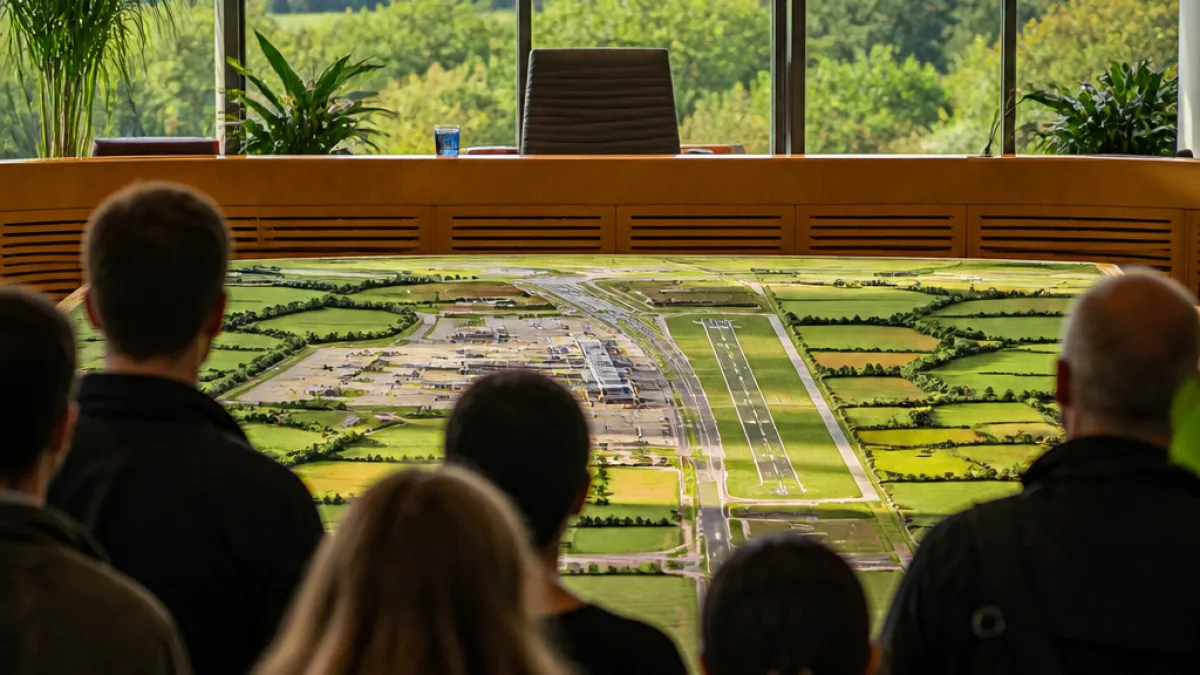
In recent days the airport submitted proposals that would increase annual passenger capacity from 12 million to 15 million, extend the runway, enlarge terminal buildings and introduce long-haul routes to North America and the Middle East. The plans also include a disputed extension onto Felton Common across the A38.
Local councillors on North Somerset Council’s planning committee will make the first formal decision on whether to grant permission. Whatever committee members decide, the matter is expected to be followed by appeals or legal challenges, continuing a long-running cycle of applications and litigation that previously saw the airport gain approval to increase capacity from 9 million to 12 million.
- Metro mayor Helen Godwin says she will remain silent to avoid influencing or being seen to influence the process.
- The expansion would involve a range of changes including a longer runway and larger terminals, and would increase passenger capacity to 15 million a year.
- Opponents such as the Bristol Airport Action Network may pursue legal challenges if permission is granted; the airport has previously used appeals and court action.
The stance marks a clear shift in tone from the last metro mayor. Dan Norris, who previously held the role, publicly opposed the earlier application to grow to 12 million passengers. That dispute proceeded through appeals and legal challenges before the airport eventually secured permission.
"I am so worried about impacting the planning process that I am not even taking notice of any of the arguments for or against," the metro mayor told local media when explaining her decision to refrain from comment.
The political context is changing at the national level as well. The new Prime Minister has signalled an intent to devolve more powers to regional metro mayors — a shift that increases the potential significance of the metro mayoral role in major development decisions. That dynamic is part of the reason the metro mayor has flagged the possibility that the final say on the airport expansion could rest with her.
Campaigners and residents who opposed the previous expansion remain vigilant. Groups such as the Bristol Airport Action Network have previously brought together local residents and environmental activists to challenge airport developments. On the other side, airport operators argue that growth supports regional connectivity and economic activity.
What could happen next?
The planning process will follow a familiar path: the council’s planning committee will consider the application, and their decision will be open to legal challenge. If the committee refuses permission, the airport has previously shown it is prepared to appeal. Conversely, if permission is granted, opponents are likely to seek judicial review or lodge appeals.
| Stage | Likely outcome |
|---|---|
| North Somerset planning committee decision | Approval or refusal; neither outcome expected to be definitive |
| Post-decision | Appeal or legal challenge probable |
For residents across Bristol and neighbouring areas the issue touches on noise, traffic, climate impacts and local amenity. The metro mayor’s choice to refrain from public commentary is intended to prevent any suggestion that political statements could prejudge a process that may ultimately return to her desk.
As the debate begins anew, attention will now fall on the planning committee in North Somerset and the likely responses from community groups, councillors and the airport. Whatever route the proposals take, the dispute over Bristol Airport’s future is set to remain a flashpoint in regional planning and transport policy.