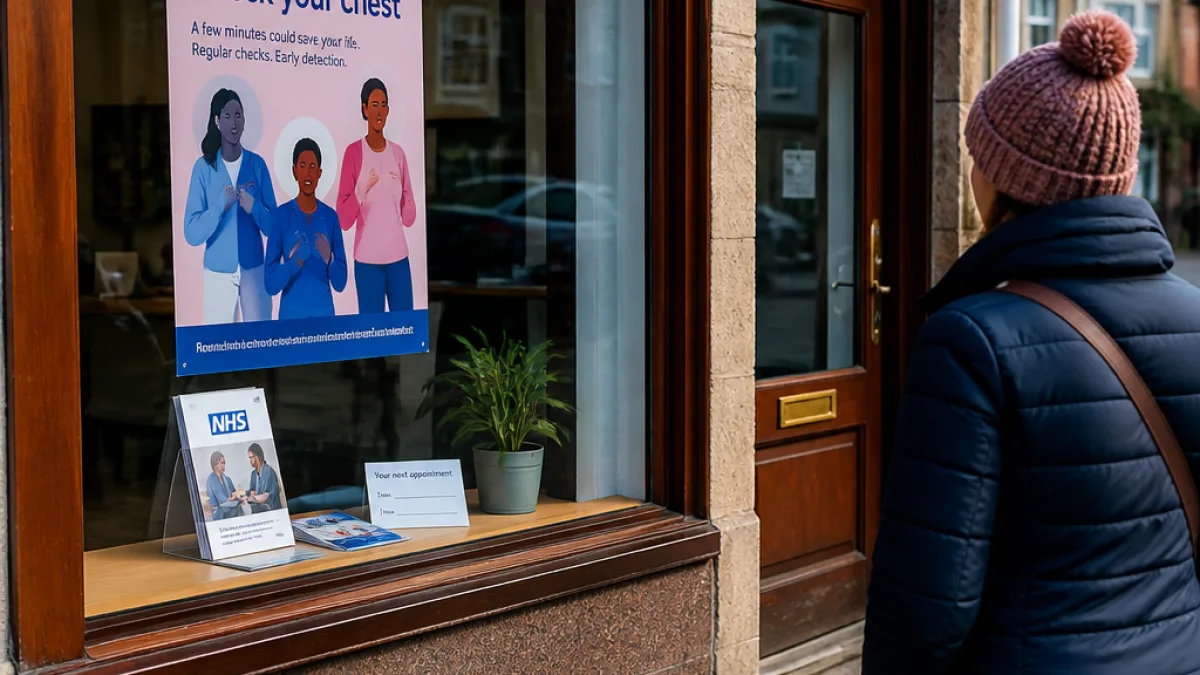
The Member of Parliament for Bangor Aberconwy has made public a deeply personal film documenting her recent diagnosis and treatment for breast cancer, urging people across North Wales to check their chests and see their GP if they notice anything unusual.
A public story with a private heart
The eight‑minute documentary follows the MP, who was diagnosed with grade 3 triple‑negative breast cancer in October 2025, through the seven months that she says changed her life. Her diagnosis came just weeks after being appointed a Government Whip and Parliamentary Under‑Secretary of State at the Wales Office.
Across the film she reflects on finding a small lump by chance, the sequence of hospital treatment and the emotional and physical effects of care. Her account includes surgery followed by chemotherapy and radiotherapy, and the unexpected onset of treatment‑induced menopause, a side effect she says she knew little about before her diagnosis.
Reasons for going public
She has said she chose to share her experience to promote awareness of the signs and symptoms of breast cancer, encourage early diagnosis and to help others feel less alone throughout treatment and recovery. The MP emphasises the importance of checking one’s chest and getting medical advice if anything does not feel right.
- Film length: eight minutes
- Diagnosis: October 2025
- Type: grade 3 triple‑negative breast cancer
- Treatments received: surgery, chemotherapy, radiotherapy
“If sharing my story encourages even one person to check themselves or go and get something looked at sooner, then it will have been worth it.”
Throughout the documentary she also pays tribute to the NHS teams who cared for her, reflecting on the kindness and time given by breast care nurses and surgeons. In the film she highlights the reassurance she found in the manner of those providing care.
“The breast care nurses, the surgeon, everyone is so kind. No one rushes you, everyone takes their time to answer your questions and make sure you’ve understood everything. We’re so lucky to have our NHS and to have such wonderful people who work in it.”
Local landscapes and recovery
Filmed across parts of North Wales, the MP describes how walking by the coast and in the nearby Carneddau mountains became an important element of recovery. The film makes space for those quieter, restorative moments as part of a broader account that balances clinical detail with everyday life in and around Bangor.
Her decision to tell this story publicly brings a senior local politician’s experience into the open, a move that could have a practical impact: increasing awareness in communities across the city and surrounding county about breast cancer signs, the effects of modern treatments, and the value of early intervention.
| Aspect | Detail |
|---|---|
| Film duration | 8 minutes |
| Diagnosis date | October 2025 |
| Cancer type | Grade 3 triple‑negative |
| Treatments | Surgery, chemotherapy, radiotherapy |
For Bangor residents, the film may serve both as a prompt for clinical vigilance and as an account of how people manage care, family life and work during cancer treatment. The MP is a mother of two teenage children and the documentary touches on the impact of illness on family dynamics as well as on personal recovery.
Whether viewers respond by checking themselves more often, by discussing menopausal effects of treatment with their clinicians, or by simply feeling less isolated if they face similar challenges, the MP has framed the film as an effort to turn a private hardship into public good.
Health services and local support groups in Bangor and across North Wales are likely to watch closely for any rise in enquiries or appointments prompted by the documentary. The MP’s praise for the NHS staff involved in her care is an acknowledgment of the local health teams who provide complex treatment close to home.
The film is the MP’s contribution to a broader conversation about cancer awareness and the lived experience of recovery, and it positions a local political figure as both a patient and an advocate for early diagnosis.