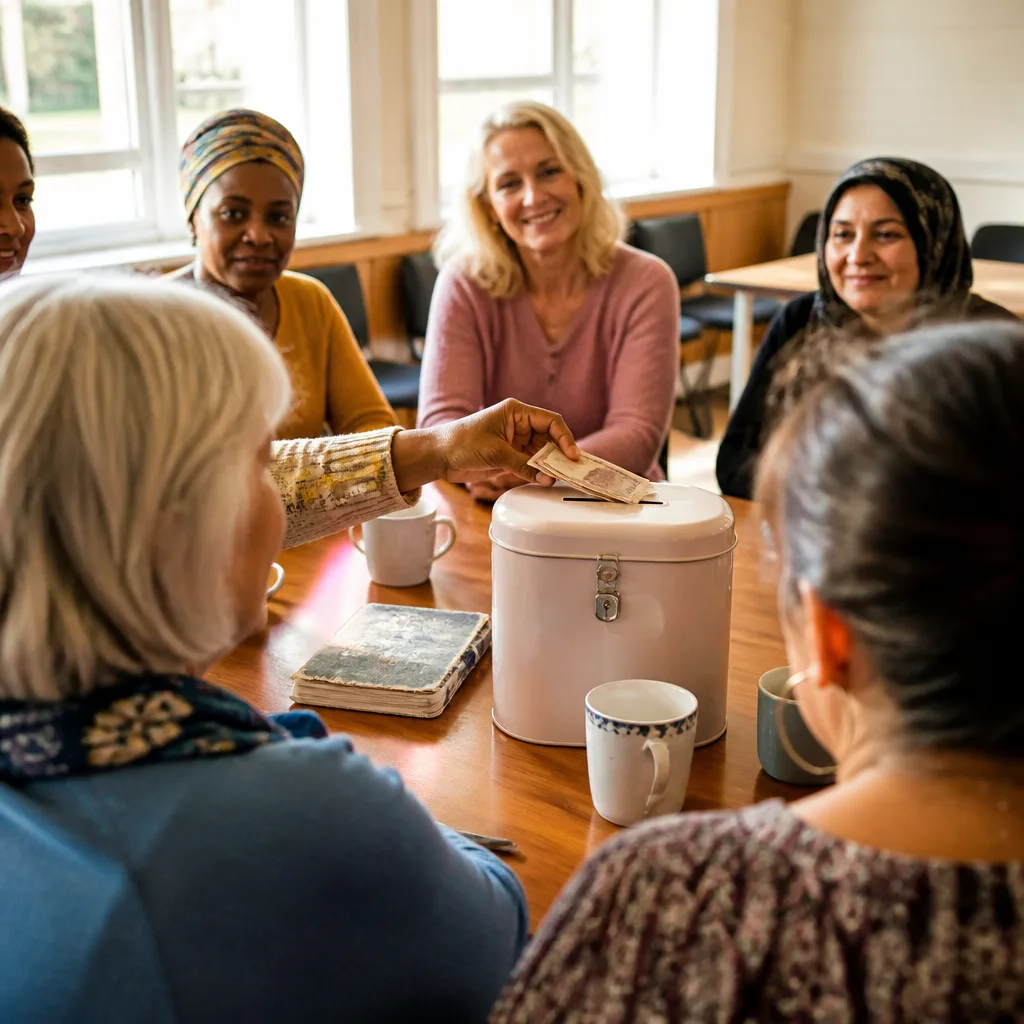
Weeks before the 2022 General Election on 9 August, an aspiring Women Representative approached a member of a local savings group — or chama — seeking to attend their monthly meeting and to present her platform. According to an account from one group, she also offered what was described as “something small” to boost the scheme’s funds. The gesture, interpreted by members as a cash incentive, underlines the persistence of gift-giving practices that can affect electoral choices in Kenya.
Small payments, noticeable consequences
Members of the savings group said they did not object to hearing the candidate and were happy to accept the cash, viewing it as an informal top-up to their kitty. The offer underscored an uneasy norm — often called kitu kidogo — where financially modest, unsolicited payments or gifts are readily accepted and can shape voting behaviour.
At the same meeting, some members argued that because the money had not been solicited, they were not obliged to support the politician at the ballot box. Others welcomed the boost for practical reasons: several said they anticipated using the funds to strengthen the chama or even to fund a social trip to the coast.
“Something small”
The episode also illustrated how voters may arrive at decisions for lesser-known contests by default. Many described knowing the presidential, gubernatorial and parliamentary frontrunners, but having little awareness of many other candidates on the ballot. When voters lack information about contenders for positions such as Women Representative, they may resort to guesswork — or be swayed by material inducements.
What happened at the meeting
When the candidate attended the scheduled meeting, the situation deteriorated for her candidacy early on. Members noted that she arrived late, a familiar complaint about politicians at community events. Beyond the punctuality issue, the episode raised questions about how commonplace, small-scale payments intersect with democratic engagement and the quality of political representation.
- Offer made: Candidate sought to attend a chama meeting and offered money described as “something small”.
- Group response: Members accepted the money and allowed the candidate to speak, some saying the payment did not obligate them.
- Voting implications: Lack of information about many lower-tier candidates can leave voters vulnerable to influence.
| Event | Observation |
|---|---|
| Pre-election approach | Candidate requested to attend meeting and offered funds |
| Meeting conduct | Candidate arrived late; members accepted the cash |
| Aftermath | Members debated whether acceptance implied electoral obligation |
The episode offers a snapshot of how electoral dynamics play out at grass-roots level. Small inducements are rarely framed in terms of formalised bribery in everyday conversation; instead, they may be seen as customary contributions or helpful gestures. Yet the effect can be to shape choices in contests where voters have limited information.
Public discussion around such practices intersects with broader debates on voter education, campaign regulation and political accountability. If many electors decide on candidates beyond the headline races with little information, then improving access to reliable candidate information and strengthening norms around campaign conduct emerge as central challenges.
For community groups like the chama described here, the dilemma is immediate and practical: a short-term financial gain can be useful, but it may come with ethical and civic costs. The account from that meeting holds up a mirror to a wider question in Kenyan politics — how to balance social and financial needs at local level with the integrity of democratic choices.