STF recovery of notebook names foreign operatives; network spans Nepal and Bangladesh
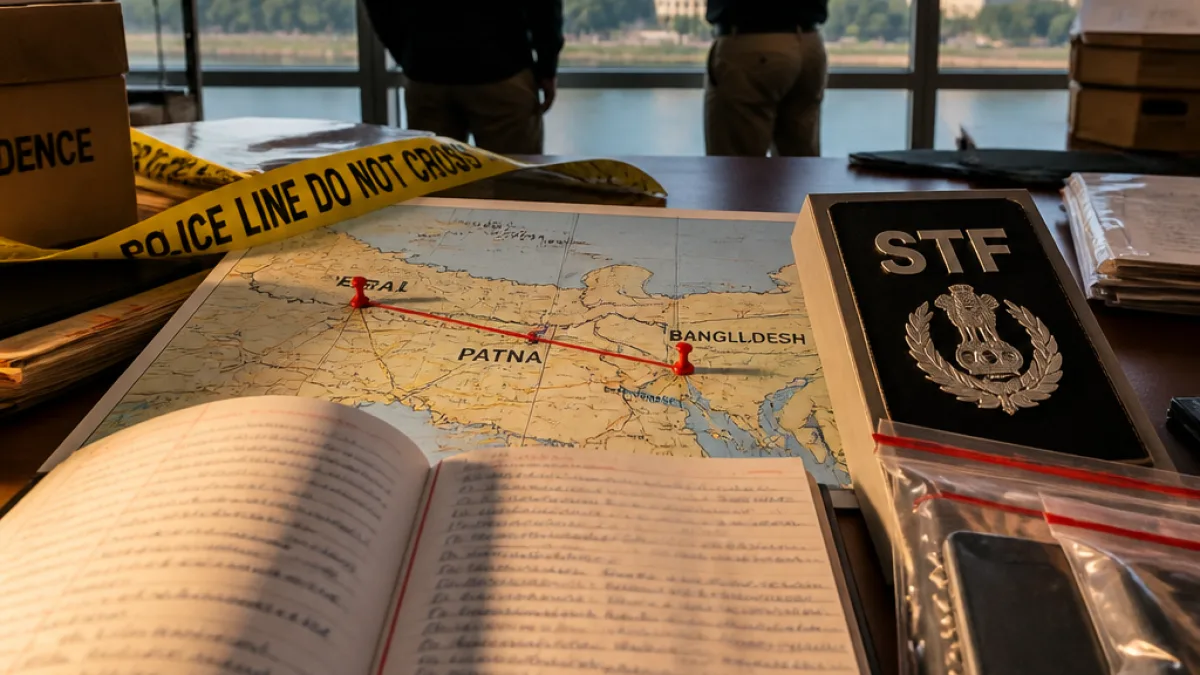
The Special Task Force (STF) has recovered material that, according to STF sources, contains names of several foreign operatives allegedly linked to an ISI espionage network operating across borders. The recovered notebook lists at least six foreign operatives — five believed to be based in Nepal and one in Bangladesh — the STF has reported.
Authorities identified the Nepal-based names in the notebook as Kashif, Hanif Chowdhury, Sohail, JD and Harun Safdar, while the operative listed from Bangladesh is named Pavel, according to the STF sources. The disclosure was part of a wider investigation by the STF that has drawn attention to intelligence gaps and cross-border vulnerabilities in eastern India.
"The recovered notebook contained the names of at least six foreign operatives linked to the network," STF sources said.
What the list shows and the immediate law-enforcement response
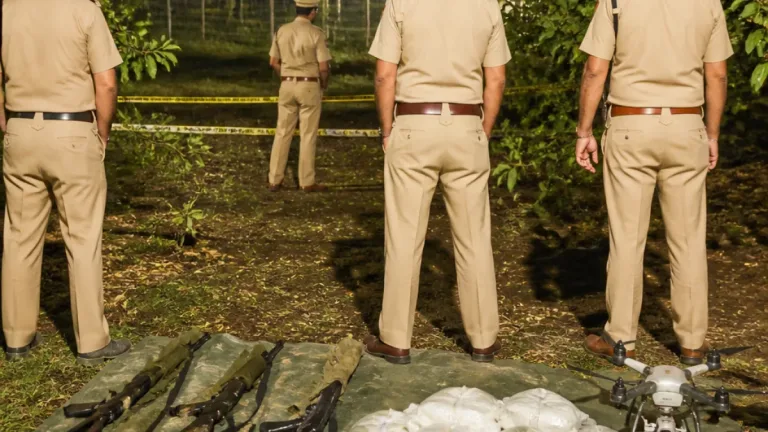
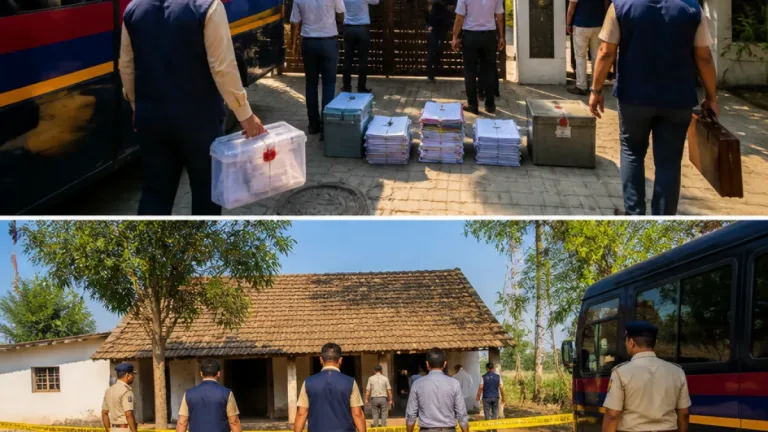
The recovered material, as described by STF sources in the reporting, appears to document links between individuals outside India and persons allegedly under surveillance or contact within the country. The notebooks and related records are now part of the investigative file held by the STF.
Investigating agencies routinely treat such recovered lists as primary leads: they form the basis for corroborative checks against travel records, call data, financial transactions and intelligence-sharing with foreign counterparts. The STF has not released further operational details, and public disclosures so far are limited to the names and the countries believed to be their bases.
- Five operatives are reported to be based in Nepal.
- One operative is reported to be based in Bangladesh.
- The recovered material is under examination by the STF.
Regional implications for Bihar and Patna
While the STF is leading the case, the findings carry implications for Bihar's internal security apparatus. Patna, as the state capital and a transport and administrative hub, often hosts coordination meetings between central and state agencies when cross-border or interstate links emerge. The presence of alleged operatives in neighbouring countries — especially Nepal, which shares an open border with Bihar — will likely prompt closer cooperation between central agencies, the Bihar Police and local city authorities.
Security officials have in the past cited the porous nature of some border stretches as a factor complicating intelligence and policing. Records and leads recovered in investigations such as this one generally trigger enhanced checks at transit points, scrutiny of suspicious financial flows and renewed outreach to foreign liaison channels. The STF sources have not outlined specific countermeasures taken in Bihar, but the discovery is likely to accelerate inter-agency information-sharing aimed at pre-emptive detection.
Names recovered: a concise summary
| Country | Names (as reported) |
|---|---|
| Nepal | Kashif; Hanif Chowdhury; Sohail; JD; Harun Safdar |
| Bangladesh | Pavel |
Investigators will seek to verify the identities, locations and activities of the persons listed, and whether any domestic contacts named in the same material can be linked to criminal or espionage-related activity. The STF has emphasised that the list itself is a lead requiring corroboration through established investigative procedures.
What residents in Patna should expect
For Patna residents, the immediate consequence is less about daily disruption and more about enhanced vigilance by security agencies. Historically, examinations arising from such recoveries result in precautionary measures including:
- targeted checks at transport hubs and sensitive installations;
- temporary intensification of intelligence patrolling in identified areas;
- coordination with central agencies for tracking cross-border links.
The STF has not released the locations of arrests or the full content of the recovered material. Further official statements are expected as the investigation proceeds and as corroborative evidence is collected and analysed.
The development underscores continuing challenges in securing border regions and tracking transnational networks that investigators assert may exploit porous boundaries. The case will be watched closely in Patna and across Bihar as agencies work to translate leads from recovered material into concrete investigative outcomes.