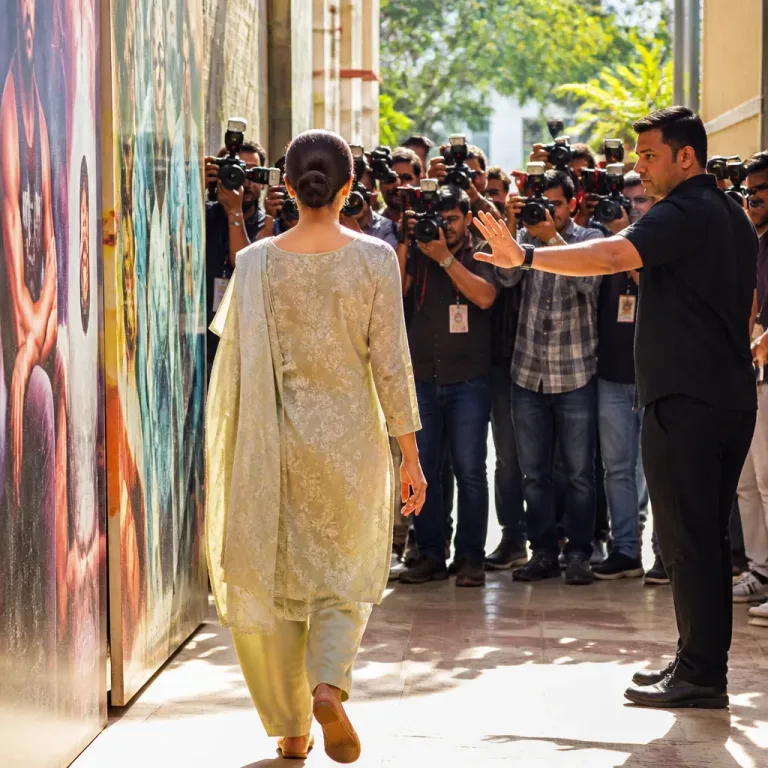
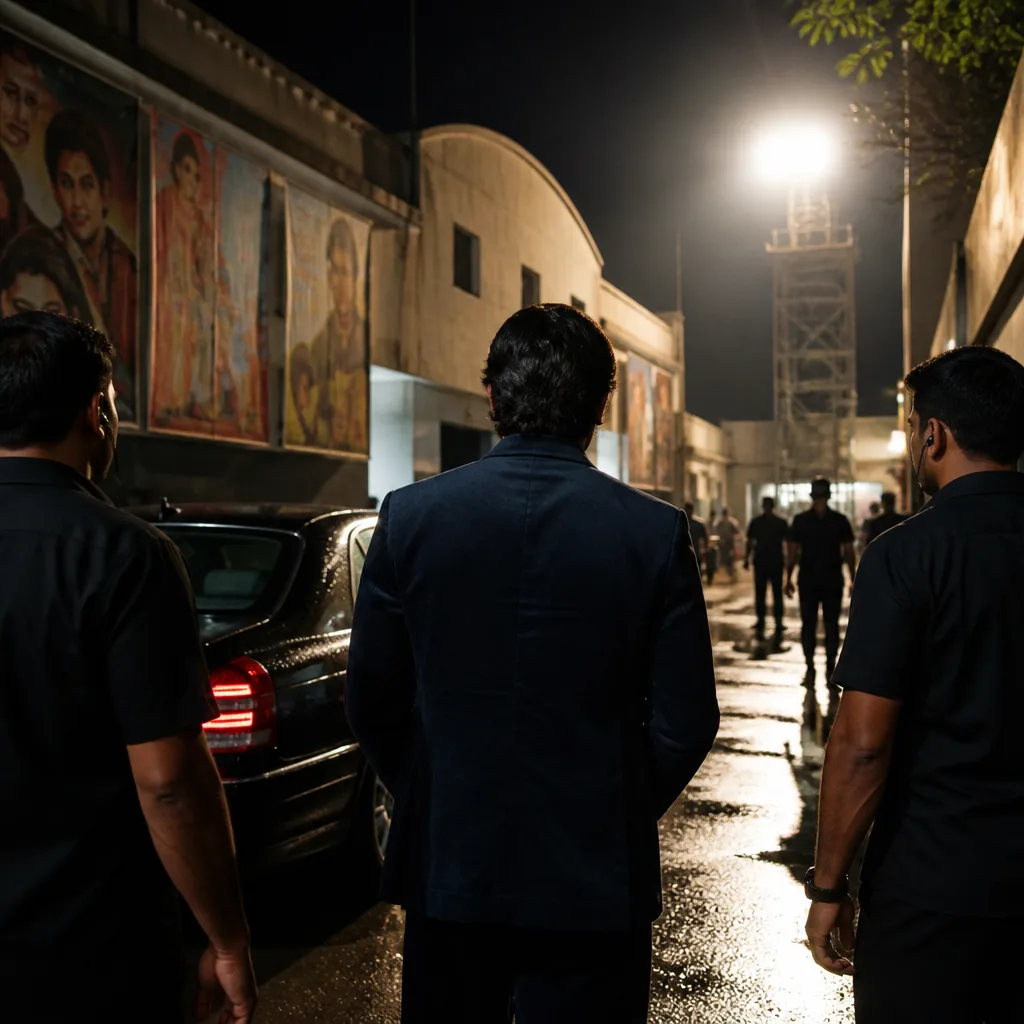
Shah Rukh Khan confronted threats from the Mumbai underworld in the 1990s and refused to yield to coercion, filmmaker Sanjay Gupta said in a recent podcast, recalling that the star told his tormentors: “I am a Pathaan, just shoot me.” The actor subsequently lived under heavy protection for three years, contemporaneous interviews and biographical accounts record.
Filmmaker recalls blunt reply to threats
In an episode of the Hussain Zaidi Files podcast, Gupta recounted his memory of how Khan reacted when men from criminal syndicates tried to force actors into projects and shows. According to Gupta, Khan not only refused to submit but answered the intimidation with defiance, a stance the filmmaker said earned the respect of those who had made the demands.
“The only guy in the film industry, Shah Rukh Khan, when he was threatened, he said, ‘I will never do the film or show, I am a Pathaan, just shoot me if you want’. I am not scared of you, but I will not work with you and not do shows for you,” Sanjay Gupta said on the podcast.
Gupta’s remarks align with earlier public comments by Khan and with passages from film critic Anupama Chopra’s biography of the actor. In a past interview with comedian Ruby Wax, the actor acknowledged that threats were made against him during the 1990s and that he required substantial security for a period.
Documented encounters and timeline
Chopra, in her book King of Bollywood: Shah Rukh Khan and the Seductive World of Indian Cinema, chronicled Khan’s run‑ins with gang figures named in public records and press accounts, including Abu Salem, Chhota Rajan and Chhota Shakeel. She traced the origin of heightened concerns about his safety to around 1997, when he was working on Mahesh Bhatt’s film Duplicate.
The combination of contemporaneous interviews, Gupta’s podcast remarks and biographical research sketches the arc of a period when leading film personalities were vulnerable to intimidation by organised criminals seeking influence over casting and exhibition.
- Public defiance: Sanjay Gupta quoted Shah Rukh Khan as rejecting extortion attempts, saying he would rather risk his life than comply.
- Security measures: Khan acknowledged in interviews that he had a high level of protection for about three years during the height of the threats.
- Biographical record: Anupama Chopra’s book documents encounters between Khan and named underworld figures in the late 1990s.
Context and consequences
The episodes recalled by Gupta and documented by Chopra reflect an era when parts of the Indian film industry operated under the shadow of organised crime. Extortion, threats and demands for roles or a cut of box office receipts were reported in multiple cases across the 1990s. For actors and producers, the consequences ranged from personal danger to disruptions of productions and changes in how shoots and publicity were managed.
Public memory of that period also influenced industry attitudes to security, police co‑operation and the way filmmakers and stars negotiated public appearances. The accounts underline that high‑profile refusal to capitulate could have both personal risk and reputational impact — in Khan’s case, Gupta suggested it led to a measure of respect from the perpetrators.
| Item | Detail |
|---|---|
| Period of threats | 1990s, with concerns rising around 1997 |
| Security | Actor said he had heavy security for three years |
| Names cited | Abu Salem, Chhota Rajan, Chhota Shakeel (per Chopra) |
While Gupta’s comments have renewed public interest in those fraught years, the fragmentary nature of anecdotal recollections and varying accounts across interviews and secondary reporting mean that the full legal and investigative record remains the authoritative source for details of any criminal proceedings or official action taken at the time.
The recollections also reopen discussion about the risks faced by film personalities and the importance of institutional protections — police, production‑house safety protocols and industry norms — to prevent coercion and to enable artists to work without fear.
For audiences and the industry alike, the episode is a reminder of a difficult chapter in Bollywood’s past and of the personal costs borne by actors who rose to national prominence amid threats and intimidation.
— Entertainment Desk