PATHANAMTHITTA: In Punnakkadu and surrounding villages of Central Travancore, a neighbourhood response to population ageing has matured into a structured model of community care. Rather than relying on institutional homes, local volunteers visit older residents at home to monitor health, provide basic preventive advice and offer companionship — a mix of public-health practice and social support that organisers say has been in development for nearly 15 years.
From cataract camps to a holistic community model
The initiative began in 2011 when the CSI St Thomas parish partnered with a local hospital to provide low-cost cataract surgeries for poor and elderly residents of Mallappuzhassery panchayat. That intervention, organisers recall, prompted a wider question: why wait to treat illness when many conditions can be prevented through timely detection and lifestyle support?
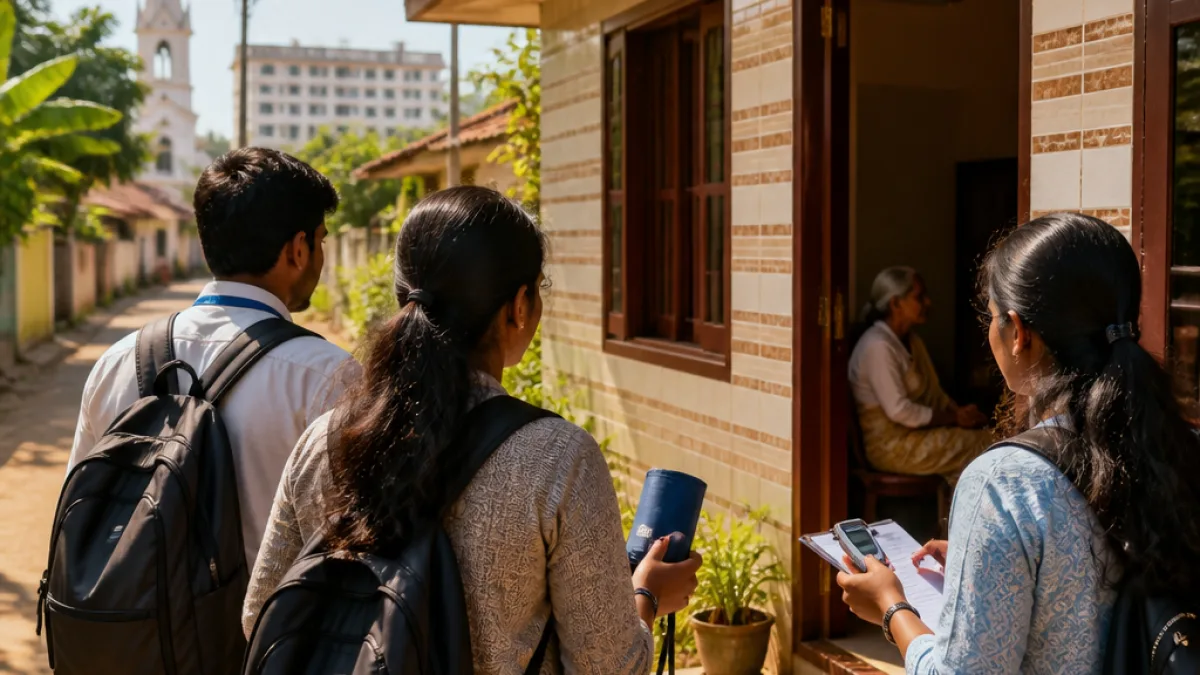
Volunteers in Punnakkadu now conduct home visits carrying a blood-pressure monitor, glucometer and a notebook. They are not trained nurses but community members who have received instruction in preventive healthcare. Their routine checks include blood-pressure readings and glucose measurements; more often than not, the immediate benefit reported is psychological — a person to sit with an elderly resident and listen.
How the 'Punnakkadu Model' is organised
Over time the effort has been formalised as the Punnakkadu Model, linking faith organisations, local government, medical education institutions and civil-society groups. The model, as reported, is carried out with participation from:
- CSI St Thomas Church (local parish initiative)
- Department of Community Medicine, Pushpagiri Medical College Hospital
- Mallappuzhassery panchayat
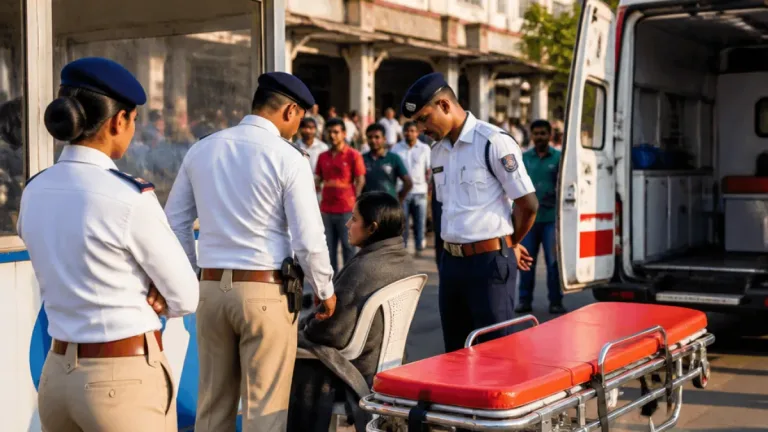
- Janamaithri Police
- Grama Vikasana Samithi
- Navadarshan Trust
- Punnakkadu Immanuel Mar Thoma Church
The collaborative setup acts as a bridge between vulnerable households and professional healthcare services, enabling referrals when volunteers detect conditions requiring clinical attention.
Addressing demographic change and social isolation
The volunteers’ work responds to clear demographic and social shifts cited in the area: younger family members leaving for jobs within India and abroad, multi-generational households becoming nuclear or single-generation, and an increasing number of elderly couples and people living alone. A neighbourhood survey conducted as part of the initiative identified prevalent chronic disorders — diabetes, hypertension, heart and kidney disease, and paralysis — and underscored links between health outcomes and daily lifestyle and nutrition.
By focusing on prevention, organisers seek to reduce avoidable hospital admissions and delay complications that arise from unmanaged chronic disease. The visits combine basic biometric checks with counselling on diet, medication adherence and the importance of timely clinical assessment.
Local impact and replicability
Organisers say the model has been running with continuous local involvement for nearly 15 years, evolving from episodic medical camps into a sustained programme of outreach. The involvement of Pushpagiri Medical College’s department of community medicine provides a clinical anchor and helps ensure that volunteers make appropriate referrals. Local self-government institutions and police participation help with outreach and safety.
Those involved portray the model as an example of how community institutions — churches, medical colleges, trusts and panchayats — can combine strengths to meet a growing care gap without creating formal care homes. Instead, the emphasis is on strengthening existing social bonds and integrating preventive health into routine community life.
Practical information for residents and volunteers
Residents who wish to engage with the programme or request visits are advised to contact their local parish office, the Mallappuzhassery panchayat health wing or the community medicine department at Pushpagiri Medical College Hospital. Volunteers receive basic training before beginning fieldwork and carry only essential diagnostic devices; referrals are made to clinical services when indicated.
| Component | Role |
|---|---|
| Trained volunteers | Home checks, counselling, referrals |
| Pushpagiri Medical College (Community Medicine) | Clinical guidance, referral pathway |
| Mallappuzhassery panchayat & Janamaithri Police | Outreach support, coordination |
| Local trusts and churches | Volunteer mobilisation, community engagement |
Local health officials and community partners have suggested that the model’s strengths lie in sustainability and social acceptability. By working within the community fabric rather than substituting for family care, the approach aims to keep elderly residents connected and medically overseen without institutionalisation.
As Kerala grapples with population ageing and migration-driven family changes, initiatives such as the Punnakkadu Model provide a practical demonstration of how preventive healthcare and simple social interventions can be combined to protect vulnerable residents. The model’s proponents say that its core elements — community volunteers, basic diagnostics, institutional linkages and regular home contact — could be adapted elsewhere in the state, subject to local partnerships and training support.