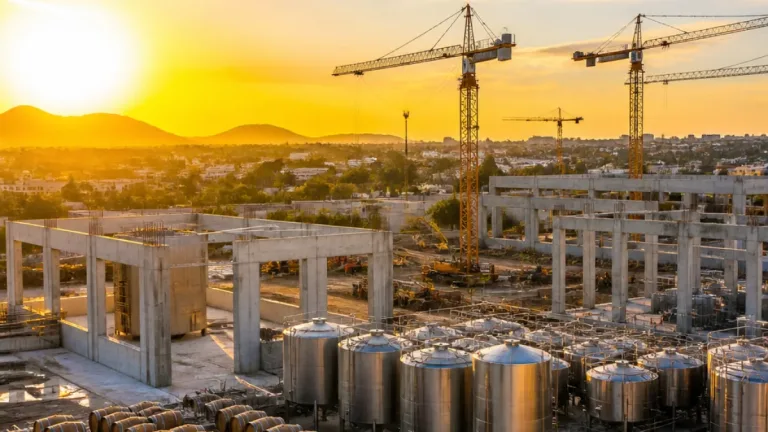
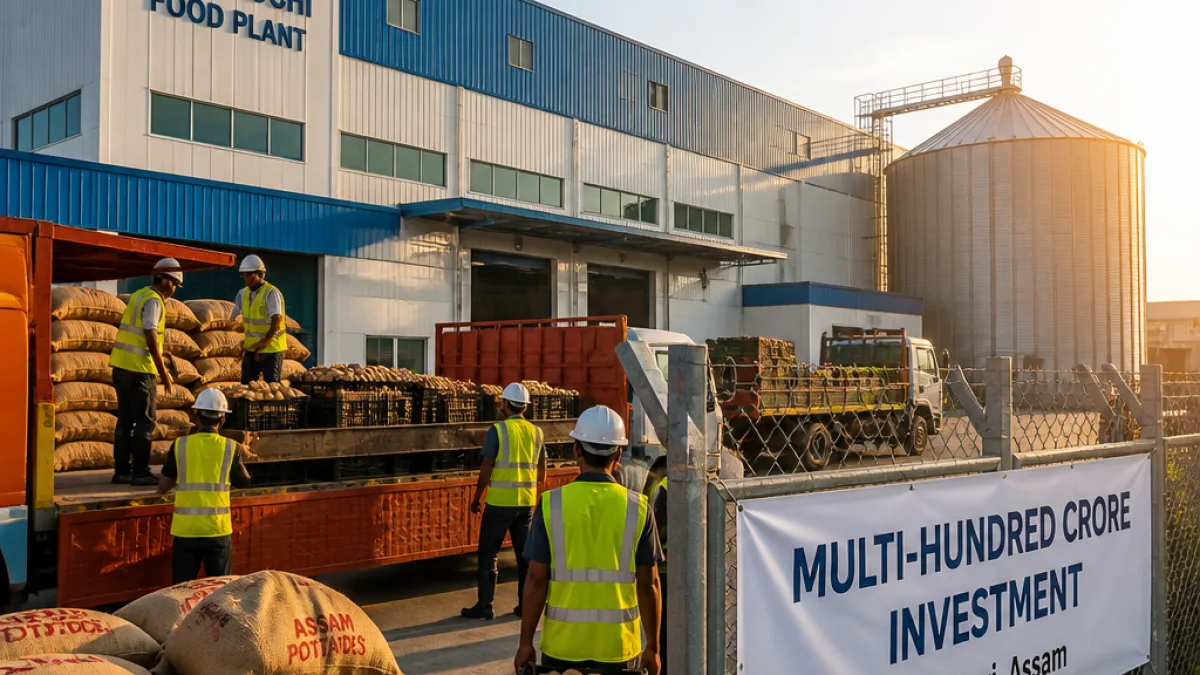
Guwahati/Nalbari: PepsiCo India inaugurated a large food manufacturing facility at Banekuchi in Nalbari on Thursday, a move the Assam government said will accelerate industrialisation in the state and provide a stable market for local potato growers.
Investment and employment
The Chief Minister, Himanta Biswa Sarma, described the project as a major step for Assam's industrial ecosystem. Media reports gave the project cost as ₹787 crore, while the Chief Minister in a social-media post referred to the plant as a ₹778 crore investment. Officials said the facility is expected to generate more than 200 direct jobs and about 500 indirect jobs, with over 75 per cent of the workforce comprising women.
As part of the plant's local capacity-building initiatives, around 120 women will reportedly receive digital literacy training, the Chief Minister added, signalling an emphasis on inclusive employment.
"In 2023, I laid the foundation stone of the PepsiCo plant, ushering in what was a new era of industrialisation. Today, I returned to Nalbari to inaugurate the Rs 778 crore plant," the Chief Minister said in his social-media post, according to reports.
Impact on agriculture and supply chain
State and company projections indicate the Banekuchi facility will create an organised market for Assam potato growers. PepsiCo currently requires around 30,000 metric tonnes of potatoes; demand is projected to rise to 70,000 tonnes by 2030, the inauguration briefing said. Officials estimated that about 5,000 local farmers and their families would benefit from the sustained offtake.
To facilitate procurement, the Assam government, PepsiCo and the State Bank of India have entered into an understanding to support farmers through financing via Kisan Credit Cards, according to the information released at the inauguration. The state is also planning a ₹35-crore cold storage with a capacity of around 10,000 tonnes to strengthen the potato supply chain and reduce post-harvest losses.
Regional and policy significance
Officials framed the project as an example of how industrial investment can extend benefits beyond direct employment by creating assured markets for agricultural produce. The state government has in recent years sought to attract manufacturing projects and address logistical constraints in the Northeast by improving infrastructure, credit access for farmers and agro-processing capacity.
Local industry analysts and officials note that reliable procurement by large food processors can incentivise farmers to shift to higher-yield seed varieties and adopt improved agronomy, but success depends on effective cold-chain logistics, timely credit and extension services.
- Investment: reported as ₹787 crore (CM later referenced ₹778 crore).
- Jobs: >200 direct, ~500 indirect; >75% women workforce.
- Potato demand: 30,000 tonnes now, projected 70,000 tonnes by 2030.
- Farmers benefitting: estimated 5,000 families.
- Cold storage: proposed ₹35-crore facility, ~10,000 tonnes capacity.
| Item | Figure |
|---|---|
| Project cost (reported) | ₹787 crore (CM later cited ₹778 crore) |
| Direct jobs | More than 200 |
| Indirect jobs | Around 500 |
| Potato demand (current / 2030) | 30,000 / 70,000 metric tonnes |
| Cold storage (planned) | ₹35 crore, 10,000 tonnes |
While the inauguration was held in Nalbari, officials stressed that the plant's supply chain and labour pool will draw from multiple districts across the state, reflecting Assam's agrarian base and the potential for agri-processing linkages to spur rural incomes.
Implementation challenges will include ensuring quality seed availability, preventing post-harvest losses through timely cold-chain logistics, and aligning farmer credit flows under the Kisan Credit Card scheme to meet the working-capital needs of growers during the sowing and harvesting cycles.
The state government's involvement in facilitating finance and storage infrastructure indicates a public-private approach aimed at integrating smallholder farmers into formal value chains. The long-term impact on cropping patterns, local prices and rural livelihoods will depend on execution of the proposed support measures and market dynamics.
Further details on the plant's production lines, expected product portfolio for distribution across India, and timelines for ramping up procurement were not disclosed in the inauguration statements reported on Thursday.
— Ananya Bora, Assam correspondent