
Jodhpur — The Rajasthan Police on Wednesday arrested four more directors associated with the Jodhpur Pollution Control and Research Foundation (JPCRF) as part of a probe into alleged industrial pollution of the Jojari River, officials reported. With these arrests, the number of people detained in the case has risen to nine.
Arrests follow Supreme Court directions on river protection
The recent detentions come after the Supreme Court issued directions restricting commercial activities within 500 metres of the Jojari and other rivers and ordered measures to curb pollution. A Special Investigation Team (SIT) formed to probe the matter arrested four entrepreneurs on Tuesday, the Office of the Commissioner of Police, Jodhpur said, according to ETV Bharat.
"The SIT arrested entrepreneurs Umesh Kumar Leela, Vinod Singhal, Jugnu Khan and Parasmal Dhariwal in the case," DCP Kamal Shekhawat was quoted as saying.
Allegations and investigation findings
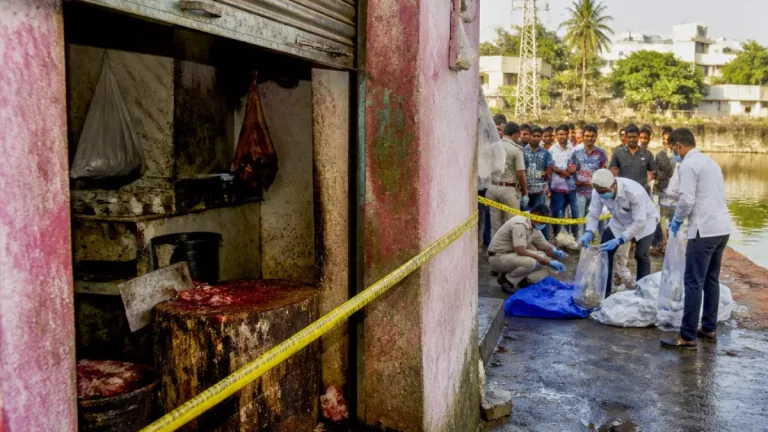
Investigators say a committee constituted after the Supreme Court directions uncovered an illegal pipeline outside a Common Effluent Treatment Plant (CETP). The probe alleges that industrial wastewater was being diverted through this pipeline into a drain and ultimately reached the Jojari River, bypassing the CETP and escaping treatment.
The foundation was reported to have been operated by a 23-member team. Earlier arrests in August included the foundation’s managing director and other senior personnel. The police said notices have been issued to several additional accused and that further arrests may follow as the investigation advances.
- Latest arrestees: Entrepreneurs Umesh Kumar Leela, Vinod Singhal, Jugnu Khan and Parasmal Dhariwal.
- Earlier arrests: Managing Director Jasraj Bothra, Executive Director Nilesh Sancheti, Treasurer Sang Singh Parihar, Trustee Suresh Khemani, and Supervisor Gopal.
- Total detained so far: Nine persons linked to JPCRF.
- Notices issued to: A list of other accused including Ashok Sancheti, Jayantilal Jain and others.
Arrests and notices — summary
| Person | Role / Status |
|---|---|
| Jasraj Bothra | Managing Director — arrested (earlier) |
| Nilesh Sancheti | Executive Director — arrested (earlier) |
| Sang Singh Parihar | Treasurer — arrested (earlier) |
| Suresh Khemani | Trustee — arrested (earlier) |
| Gopal | Supervisor — arrested (earlier) |
| Umesh Kumar Leela | Entrepreneur — arrested (latest) |
| Vinod Singhal | Entrepreneur — arrested (latest) |
| Jugnu Khan | Entrepreneur — arrested (latest) |
| Parasmal Dhariwal | Entrepreneur — arrested (latest) |
Police said notices have been issued to other named persons, including Ashok Sancheti, Jayantilal Jain, Narendra Chhajed, Varun Dhanadia, Pawan Lohia, Rakesh Chaurdia, Shrikant Sharma, GM Singhvi, Manoharlal Khatri and Parasmal Sanklecha, among others. The investigation remains active and further legal action is expected as evidence is developed.
Local impact and governance questions
The alleged direct discharge of untreated industrial effluent into a drain that feeds the Jojari River raises immediate concerns about water quality, public health and the ecological well-being of the riparian corridor that runs through Jodhpur’s expanding industrial belt. The Jojari is a seasonal river that plays a role in drainage and groundwater recharge; contamination could affect wells, agricultural use and the urban environment.
Residents living downstream and civic groups have long flagged industrial discharge issues in the area. The Supreme Court’s interim ban on construction and development within 500 metres of the Jojari — announced this week — reflects judicial concern about protecting river environs and preventing built encroachment that can worsen pollution and flood risks.
The police action, combined with court directions and the committee’s technical findings about the illegal pipeline, will test local regulatory oversight. Authorities have not yet released a full technical report detailing pollutant loads, affected stretches of the river, or remedial steps ordered. The SIT-led probe and pending legal processes will determine whether the accused are prosecuted under environmental and criminal statutes and what restitution or remediation will be mandated.
As the case unfolds, municipalities, pollution control agencies and industry stakeholders in Jodhpur face increased scrutiny over compliance with effluent norms and the management of Common Effluent Treatment Plants. The arrests mark a significant development in a case that ties environmental protection to civic governance and the health of the city’s waterways.