Young professionals, artists and students urged to use Lucknow’s heritage as an economic and creative resource
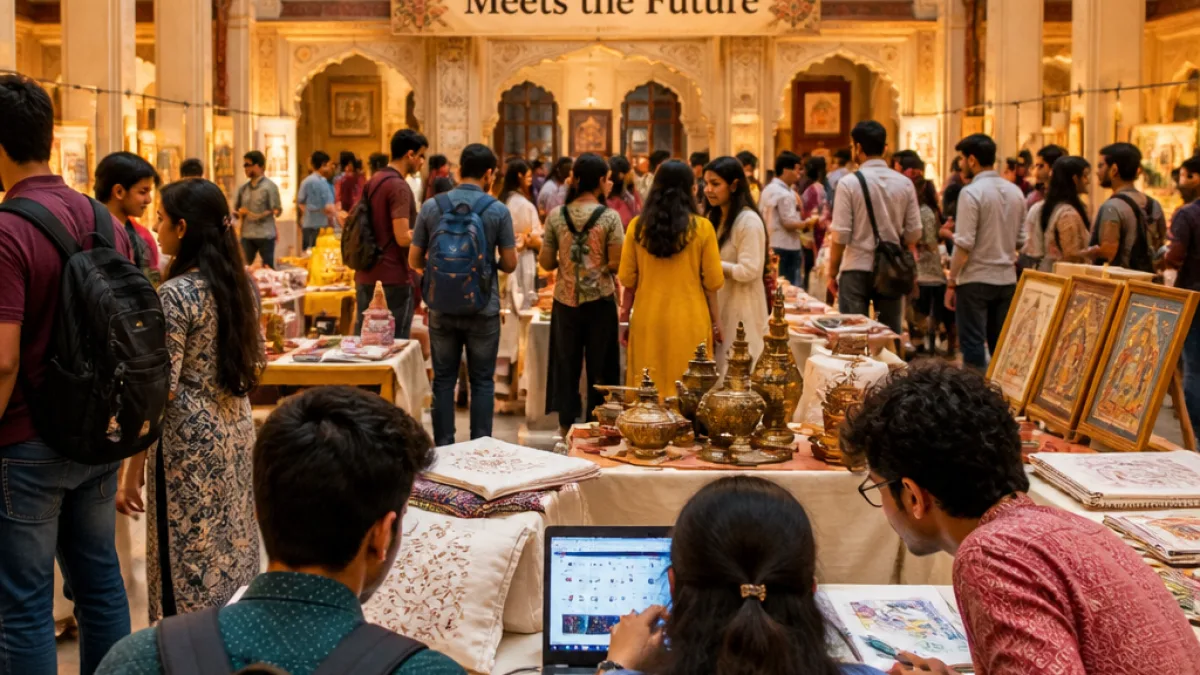
The Youth Federation of India (YFI) on Monday convened its first “Lucknow Meet & Greet” at the Lucknow Museum of Heritage and Art (LMHA), bringing together young entrepreneurs, professionals, students, artists, writers, creators and emerging changemakers from across the city. The gathering, titled “Where Heritage Meets the Future”, focused on ways in which Lucknow’s traditional tehzeeb, craftsmanship and cultural plurality can inform careers, enterprises and creative industries.
Organisers said the meeting was intended to create an open platform for young people to connect beyond existing networks, exchange ideas and incubate projects that root contemporary endeavours in local cultural assets. YFI was described as a youth-led initiative founded by Raghav Prakash and Arsh Ali Chandel, aimed at linking talent with mentorship, professional networks and incubation opportunities.
“YFI creates meaningful connections that lead to ideas, collaborations and action. We want young Indians to come together, stay rooted in their heritage, and work collectively to shape the future,” said YFI founder Raghav Prakash.
Participants emphasised that heritage should not remain confined to museum displays but ought to function as a living source of inspiration for modern enterprises — from literature, hospitality and performing arts to design-led manufacturing and the digital creative economy. The meeting discussed both opportunities and obstacles facing young entrants in these fields.
- Key opportunities identified included the city’s recognised crafts and culinary traditions, a growing interest in experiential tourism, and the potential of digital platforms to scale creative ventures.
- Challenges highlighted were limited access to mentorship, a shortage of incubation and funding avenues tailored to culture-led startups, and the need for professional networks that bridge traditional artisans and contemporary entrepreneurs.
- Calls were made for formal mentorship schemes, curated incubation programmes, and platforms for market access that can connect local talent to national and international demand.
Local stakes: culture as livelihood and brand
Speakers placed particular emphasis on Lucknow’s long-standing reputation for hospitality and syncretic culture, arguing these strengths could be converted into livelihood-generating activities without compromising traditional practices. Several participants advocated for design interventions and digital marketing to increase the visibility and commercial viability of local crafts and literary output.
The meeting also examined the role of education and skilling, noting that young people often lack tailored programmes that combine business acumen with traditional craft knowledge. Organisers and participants urged partnerships between educational institutions, cultural organisations and incubators to build curricula that respond to the needs of the creative economy.
What participants want
Delegates outlined a range of practical measures they believe would help translate ideas into action. These included:
- mentorship networks pairing young entrepreneurs with experienced industry figures;
- incubation spaces that work specifically with craft-led and culturally rooted startups;
- platforms for collaborative projects that involve artisans, designers and technologists.
To illustrate the themes discussed, organisers presented a summary framework of the session's focus areas:
| Focus | Opportunity | Needed Support |
|---|---|---|
| Craftsmanship | Premium products, design collaborations | Market access, design mentorship |
| Hospitality / Tehzeeb | Experiential tourism, cultural events | Curated itineraries, funding for events |
| Creative Industries | Digital content, literature, performing arts | Skill development, incubation |
Organisers said future YFI programmes will aim to facilitate concrete collaborations and create follow-up activities that connect attendees with mentors, incubation partners and funding sources. The first meet-up in Lucknow was portrayed as the start of a city-level series that could feed into larger national efforts to energise youth entrepreneurship rooted in cultural identity.
Local participants described the event as a step toward building a more cohesive youth ecosystem in Lucknow that combines cultural pride with contemporary economic opportunity. If sustained, such efforts may shape how the city markets its heritage in a competitive creative economy while providing new livelihood options for young residents and traditional artisans alike.