Kota authorities have registered a case under the Protection of Children from Sexual Offences (POCSO) Act after a three-year-old girl was allegedly molested, ETV Bharat reported. Kota City Superintendent of Police Tejaswini Gautam confirmed the registration and said the Women's Harassment Investigation Cell is probing the matter.
Investigation steps and forensic probing
The local police said the case was lodged on September 3 after the child's family took her to a paediatrician following illness. During the medical examination the doctor observed an abnormality in the girl's private parts, which led to suspicion of sexual assault and the family subsequently filed a complaint, the report said.
Police have invoked the POCSO Act and other relevant legal provisions. Mukesh Sankhla, Additional Superintendent of Police of the Women's Harassment Investigation Cell, is leading the probe, according to the local police statement quoted by the report. An FSL team has visited to collect evidence and samples.
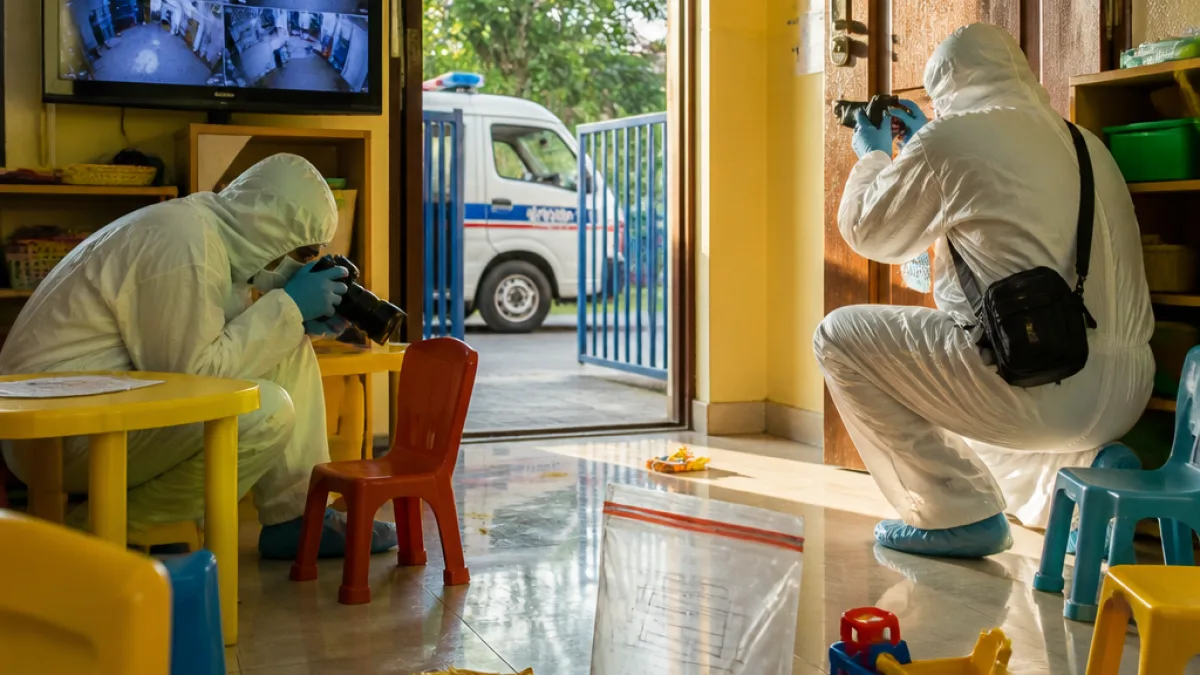
- DNA samples have been collected from some family members and from male staff of the nearby playschool the child attends.
- CCTV footage from relevant locations has been examined as part of the inquiry.
- Further action will depend on the results of DNA and other forensic reports, police said.
"We have invoked the POCSO Act and other relevant sections of law. ASP Sankhla is leading the investigation," the Kota City SP said, as reported.
Possible location of the offence and victim's account
The family told police that the child goes to a playschool near their home and otherwise remains at home, which prompted investigators to consider the possibility that the alleged molestation took place at the playschool. Because the victim is only three years old, police said she was unable to give a detailed account and when questioned only referred to an "uncle", the report added.
Police emphasised that they are awaiting forensic and laboratory findings to determine the sequence of events and to identify any persons involved. The authorities said they will take further legal steps after receipt of DNA and other investigative reports.
Timeline
| Date | Action |
|---|---|
| Prior to 3 September | Child fell ill and was taken to a paediatrician; doctor noticed signs prompting suspicion |
| 3 September | Family lodged a complaint at the local police station; FIR registered under POCSO |
| After 3 September | FSL team collected evidence; DNA samples taken from select family members and male playschool staff; CCTV examined |
The investigation is ongoing and police have not released the name or location of the playschool. No arrests were reported in the initial statement quoted by the report.
Local context and implications
Sexual offences against children draw immediate legal and public attention under the POCSO framework, which prescribes stringent procedures for medical examination, evidence collection and speedy trial. In a city like Kota — well known nationally for its coaching institutes and dense residential pockets — such incidents raise acute concerns among parents about the safety of early childhood centres and the oversight of staff.
Authorities typically pursue a combination of medical evidence, forensic DNA testing, CCTV review and witness statements in such cases. Given the victim's age and limited capacity to describe events, forensic evidence is likely to be central to identifying any suspect and establishing where the alleged act occurred.
Police said they would act on the basis of laboratory findings and follow the legal process specified under POCSO and other relevant laws. The initial facts and investigative steps were reported by ETV Bharat, which covered the police statements and sequence of events.
As the investigation progresses, families and carers in Kota are likely to seek clearer guidance from civic authorities and the education department on safety protocols at playschools and pre-primary centres. The case also underscores the role of medical practitioners in identifying potential abuse and triggering prompt legal action.