Hybrid elevated‑and‑underground alignment seen as best option for airport connectivity
The detailed project report (DPR) for Kochi Metro Phase‑3 names a nearly 17.5‑km extension from Aluva to Angamaly — with a mix of elevated viaduct and underground tunnel — as the most preferred corridor to secure direct connectivity to Cochin International Airport, according to reporting in the Times of India.
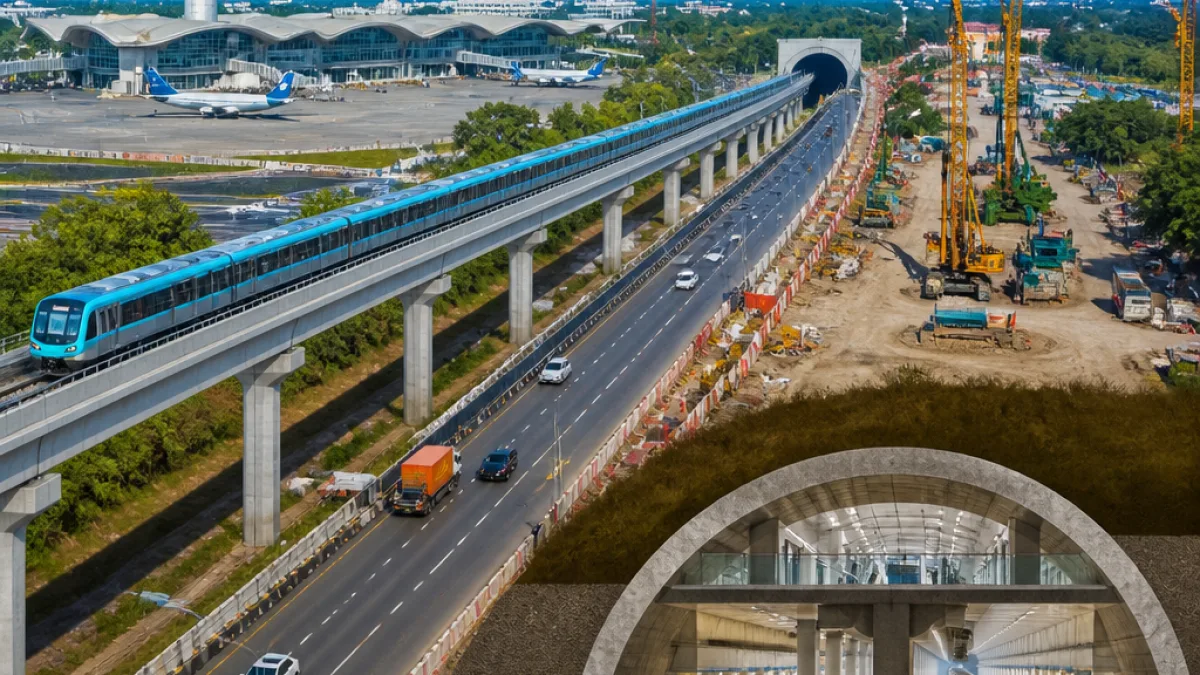
The DPR evaluated four alignment options on technical feasibility, cost and projected ridership and recommends a hybrid corridor that begins as an elevated structure from Aluva along NH‑544 to Kariyad and then transitions into an approximately 3 km underground tunnel to reach an underground terminal station at the airport. Past the airport, the route is again elevated, passing through Nayathode, Kavaraparambu and Arikkal Junction before terminating at Karayamparambu in Angamaly town.
Why the airport link was prioritised
Roji M John, Higher Education Minister who oversees Ernakulam district affairs, told the Times of India that the option linking the airport is mandatory under National Metro Rail policy guidelines and therefore received priority in the DPR. The DPR’s authors judged the hybrid option to be the most favourable when balancing construction complexity, land acquisition and expected patronage.
“The demand for linking Angamaly railway station has not been included in the DPR as there are many hurdles found during the feasibility study,” the minister said, according to the Times of India.
The report observes that routing the Metro to Angamaly railway station would require diverging from the NH‑544 alignment near the airport, substantially increasing land acquisition costs — particularly in the airport vicinity — and introducing technical complications that weighed against that option in the feasibility assessment.
Stations proposed on the preferred alignment
The DPR lists 15 strategic stations on the suggested Aluva–Angamaly corridor. The sequence given in the report is:
- Thottakkattukara
- Kunnampuram
- Parambayam
- Nedumbassery
- Athani
- Kariyad
- Airport railway station
- Airport (underground terminal)
- Nayathode
- Kavarapparambu
- Arikkal Junction
- LF Hospital
- Angamaly Town
- Kothakulangara
- Karayamparambu
The list includes both the existing airport railway halt and a separate underground airport terminal station, reflecting an intent to integrate rail and metro access while providing a dedicated metro interchange at the airport. Details on interchange design, station footprints and alignment depths were not disclosed in the reporting.
Local response and unresolved demands
Traders’ associations and the Angamaly Metro Action Council have lobbied strongly for a Metro spur to the Angamaly railway station; surveys cited by those groups reportedly show strong local support (the action council claimed over 90% preference for a railway station link in its survey). Despite this, the DPR has omitted a direct metro connection to the railway station because of the feasibility issues and additional costs identified by the study team.
The omission is likely to fuel further discussion among local stakeholders, elected representatives and Kochi Metro authorities on whether a phased approach or later realignment could accommodate the railway station connection without compromising the airport link.
What comes next
With the hybrid option identified as the preferred alignment in the DPR, the next steps typically include detailed alignment drawings, environmental clearances, land acquisition planning, tendering and financing arrangements before construction can begin. The timeline for these stages was not specified in the Times of India report.
| Parameter | Value (as reported) |
|---|---|
| Length of corridor | ~17.5 km |
| Underground stretch | ~3 km |
| Number of stations (listed) | 15 |
For Kochi commuters and residents of northern Ernakulam, the DPR’s preference for a direct airport Metro link is significant: it promises quicker, more predictable access to Cochin International Airport while shaping land use and transport planning in Aluva–Angamaly’s growing suburbs. Debate is likely to continue over how best to reconcile airport connectivity, regional rail integration and the practicalities of land acquisition.
Further official releases or the full DPR document will be needed for detailed engineering parameters, cost estimates and implementation timelines.