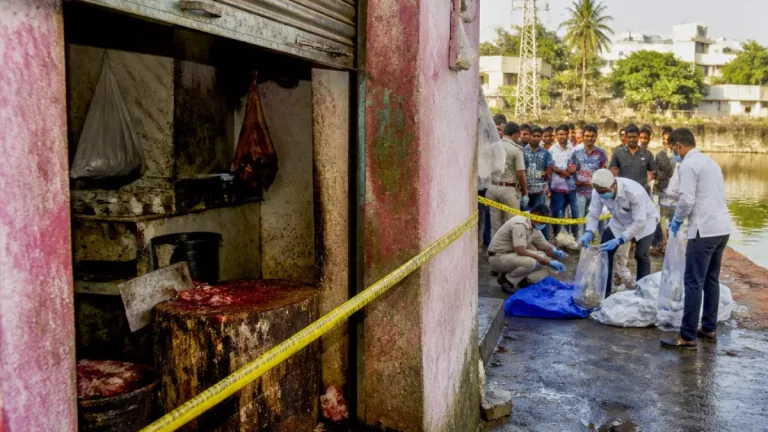
Kohima, Aug 11: Nagaland Governor Nand Kishore Yadav on Tuesday called for urgent measures to strengthen enforcement mechanisms and institutional capacity to curb the trafficking of illicit liquor and drugs in the state, officials said.
Governor's review with Excise and Prohibition
The governor made the remarks during a review meeting with the Department of Excise and Prohibition held at Lok Bhavan. According to an official statement released from Lok Bhavan, the department outlined a range of operational constraints that are hampering its ability to check smuggling and illegal distribution.
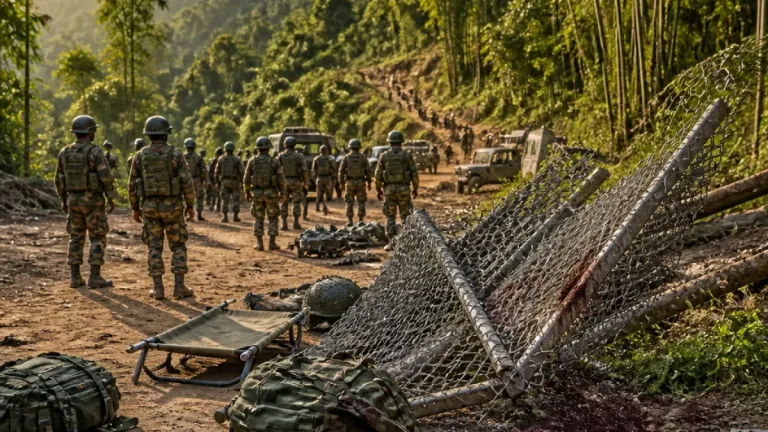
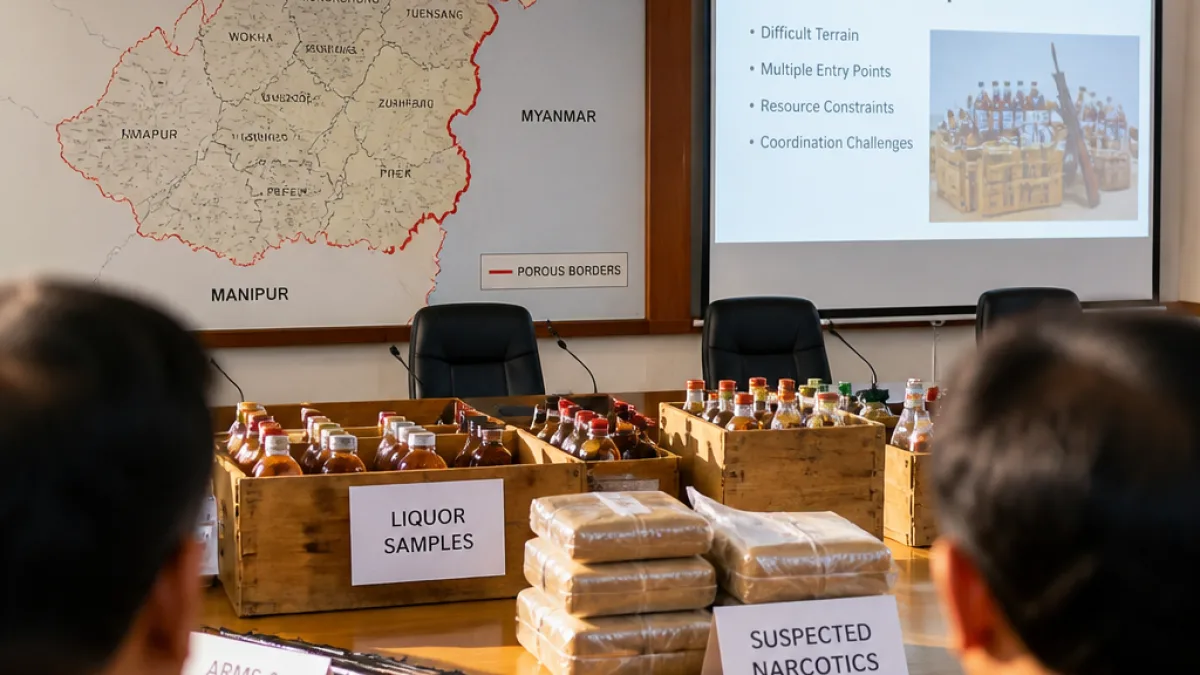
Key shortcomings highlighted by the department include porous international and inter-state borders that facilitate smuggling, a shortage of personnel, the discontinuation of inter-district check-gates, reliance on outdated firearms, and limited mobility for field operations. The governor emphasised that these gaps must be addressed to strengthen enforcement and protect communities from the growing threat of illicit substances.
Operational challenges and immediate priorities
Officials said the department has been facing persistent capacity shortfalls that undermine routine checks and anti-smuggling operations. While the statement did not provide exact figures on manpower or equipment shortfalls, it identified the lack of mobility and modern arms as factors restricting effective response to trafficking incidents.
Governor Yadav asked the department to overcome these operational constraints while continuing to safeguard public health and uphold effective governance, the Lok Bhavan release added.
- Porous borders: Facilitating cross-border smuggling.
- Manpower shortage: Reduced capacity for sustained operations and surveillance.
- Discontinued check-gates: Loss of inter-district checkpoints that acted as deterrents.
- Outdated firearms: Affecting officers' ability to respond safely.
- Limited mobility: Constraints on patrolling and rapid deployment.
What officials said and what was sought
The Lok Bhavan statement recorded the department’s assessment of constraints and the governor’s call for remedial action. It noted that addressing the identified issues is essential for ensuring stronger enforcement against illicit liquor and drugs across the state.
No specific timelines or funding commitments were included in the release. The statement did not detail whether proposals for additional personnel recruitment, reactivation of inter-district check-points, procurement of modern equipment, or coordinated border management measures will be taken up immediately or referred to other agencies for follow-up.
Context and local impact
Nagaland, like other north-eastern states, has long contended with the challenge of contraband movement across porous land borders and difficult terrain. The combination of insufficient manpower and logistical constraints can impair routine law-enforcement activity, officials say, making it harder to detect and intercept consignments of illicit liquor and narcotics before they reach communities.
Strengthening the Excise and Prohibition department’s capacity could involve multiple steps — recruitment drives, modernisation of transport and arms, re-establishing strategic checkpoints, and improved inter-departmental coordination — but the official release did not specify which measures will be prioritised by the state administration.
| Identified Problem | Consequence |
|---|---|
| Porous borders | Higher risk of smuggling across districts and from neighbouring regions |
| Shortage of personnel | Reduced capacity for sustained operations and surveillance |
| Discontinued inter-district check-gates | Loss of deterrent and interception points |
| Outdated firearms and limited mobility | Operational risk and inability to respond rapidly |
Governor Yadav’s review underlines the administrative focus on enforcement improvements, but concrete plans and resource allocations will be key to translating the assessment into effective action. The Lok Bhavan statement framed the governor’s direction as a call to make the department operationally stronger so that it can better protect public health and maintain governance standards.
The release did not name any other officials present at the meeting nor provide a follow-up schedule for further review. It remains to be seen which agencies and funding mechanisms will be engaged to tackle the shortfalls identified by the department.