Evidence recovered from rubble sparks debate over mosque’s age
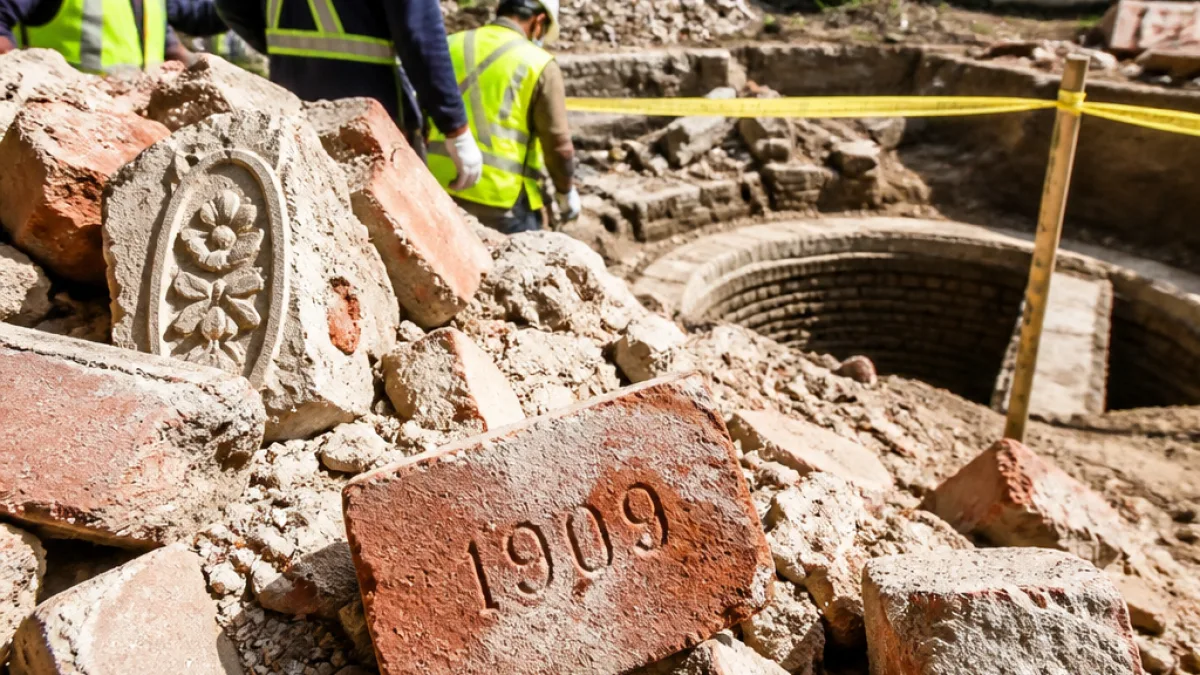
Bricks stamped 1909 have been recovered from the site of a mosque demolished within the Saharanpur Collectorate compound, raising fresh questions about the structure’s age and the sequence of events that led to its removal, local reporting said on Wednesday.
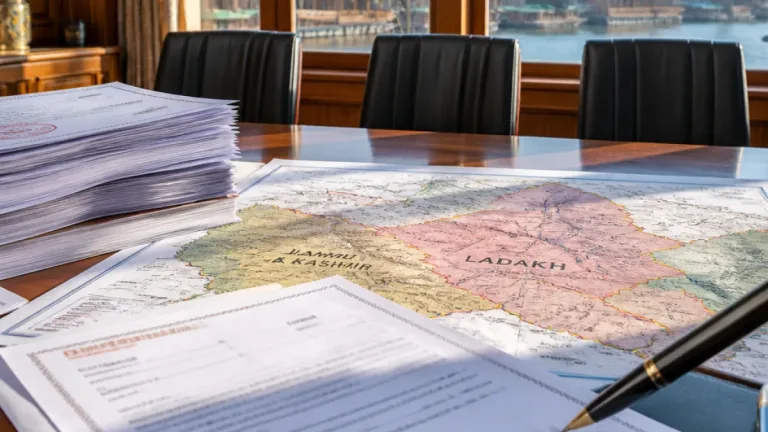
Video footage circulating on social media and cited by Muslim Mirror and other outlets showed dated bricks lying among debris after the demolition, which began on 5 September. The removal followed a City Magistrate’s court finding that the mosque was unauthorised and an order that occupants pay about ₹6.41 crore for alleged encroachment and misuse of government land; a district judge later rejected an appeal, according to the reports.
The case, recorded in court documents, originated from a complaint by former Bajrang Dal member Vikas Tyagi who alleged that the mosque occupied land intended for confidential administrative functions. Authorities carried out the demolition under heavy security, the reports said.
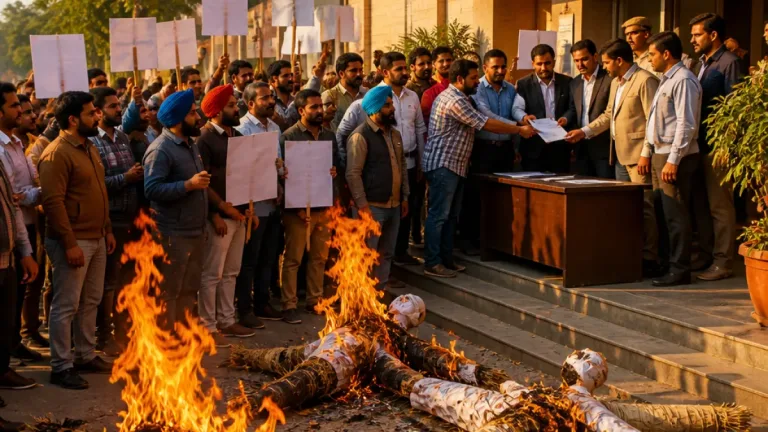
Residents accused officials of acting “like thieves” and said they were not informed in advance of the demolition.
Local Muslim residents were shown collecting bricks and other relics from the site after the structure was razed. Some were seen taking items home or burying them as keepsakes, the coverage said. Video footage also captured damaged religious books, torn Quran pages, prayer mats and an imam’s clothing in the debris.
Archaeological interest after well found
An Archaeological Survey of India (ASI) team examined a well uncovered during debris clearance, which officials estimated to be nearly 20 feet deep. Based on brickwork and construction methods, the ASI team reportedly suggested the well could be approximately 200–250 years old.
- Demolition start date: 5 September
- Court-ordered compensation for alleged encroachment: ₹6.41 crore
- Bricks recovered bearing the year: 1909
- Estimated depth of uncovered well: ~20 feet
- ASI assessment of well age: 200–250 years
| Item | Reported detail |
|---|---|
| Bricks | Stamped 1909 (recovered from debris) |
| Demolition order | City Magistrate court ruled mosque illegal; appeal dismissed by District Judge |
| Alleged encroachment fine | ₹6.41 crore |
| Uncovered well | ~20 feet; ASI estimated 200–250 years old |
The reports said the mosque’s removal was carried out at night and that residents criticised the timing and manner of the operation, saying the community was not given prior notice. Some termed the action as secretive; officials have framed the demolition as execution of a court order relating to unauthorised occupation of government land.
Local reactions in the aftermath were a mixture of grief, anger and concern about heritage and procedure. The presence of bricks bearing the year 1909 has prompted calls from some quarters for more detailed documentary or archaeological examination to establish the structure’s provenance before any further alteration of the site.
Separately, the appearance of a deep well beneath the debris has drawn interest from conservation and archaeological circles given the ASI’s preliminary age estimate. If confirmed by professional excavation and study, the well could indicate older layers of occupation on the site, distinct from the mosque’s more recent fabric.
Legal records and the court orders that preceded the demolition remain central to official claims that the mosque was an illegal structure on government land. The complaint that initiated litigation was lodged by a private citizen, and the judicial process culminated in the City Magistrate’s order and the district judge’s refusal of an appeal, sources cited in the coverage said.
For Saharanpur residents, the episode raises overlapping questions of law, communal sensitivity, heritage protection and administrative transparency. The recovery of dated building material and uncovering of likely older subsurface features will shape local debate in the near term, especially if the ASI pursues formal investigation or if further legal steps are taken by interested parties.
Authorities and the ASI were reported to be involved in post-demolition examinations; further official statements or records may clarify the chronology of ownership, registration and construction that are now under dispute in public discussion.