PATNA: The Bihar government on Tuesday issued an advisory asking people to refrain from catching, buying, selling or consuming unfamiliar fish that have entered the state with floodwaters from Nepal, citing reports that consumption of such fish has caused illness in some areas.
Official advisory and immediate precautions
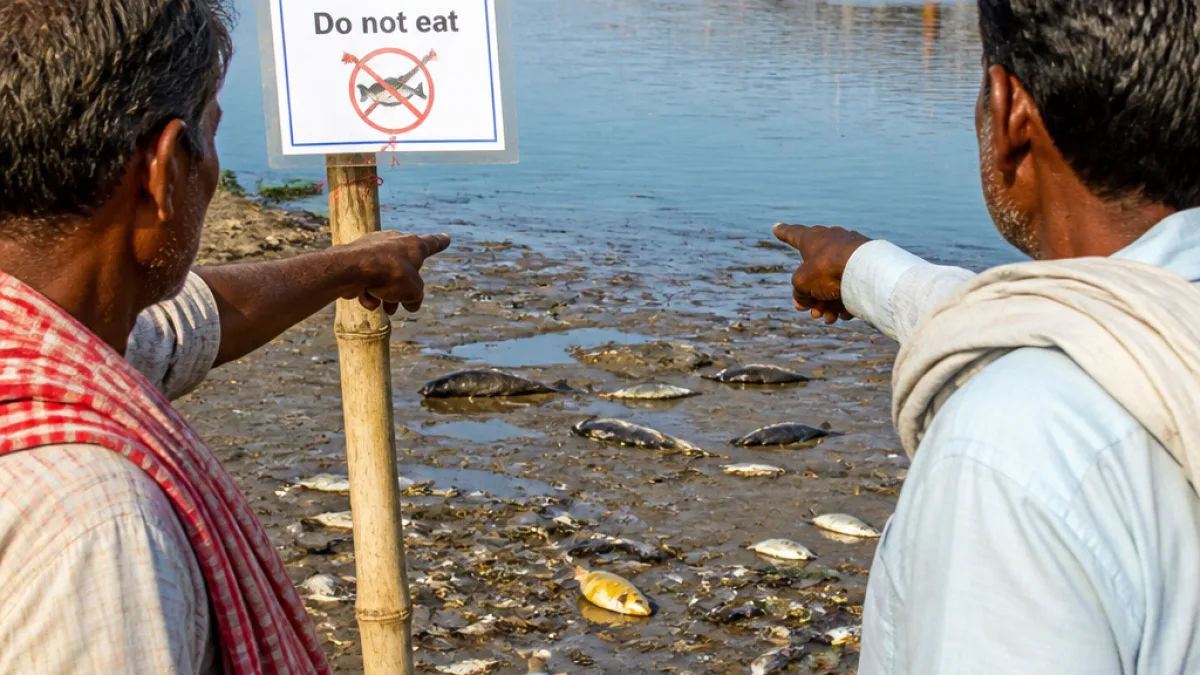
The advisory, issued by the Department of Dairy, Animal Resources and Fisheries, follows reports of fish of a visibly different appearance arriving in Bihar along rivers fed from Nepal. Officials warned that fish washed into inhabited areas and water bodies during floods may come into prolonged contact with contaminated water and decaying organic matter, increasing the risk of bacterial, viral or fungal contamination.
"I appeal to people to avoid eating fish flowing in from Nepal through rivers such as Gandak...These are visibly distinct in their appearance. These fish are known to cause stomachache, vomiting and breathing difficulties. Consumption of such fish may also lead to infections. It is better not to eat them," Bihar Fisheries Minister Nand Kishor Ram said.
The minister also urged local fishermen not to catch or sell the unusual fish varieties. Authorities asked residents to report sightings of such fish to the district fisheries officer or local administration rather than rely on rumours.
Health risks and recommended response
The advisory lists symptoms that may follow consumption of contaminated fish, including vomiting, diarrhoea, stomach pain, dizziness and breathing difficulty, and advises anyone developing such signs to seek immediate medical attention at the nearest health centre or hospital. It said consumption of fish from floodwaters is "hazardous to health" until environmental conditions return to normal and pathogens subside.
Officials explained that fish displaced from ponds, lakes, reservoirs and rivers during floods can spread over wide areas and come into prolonged contact with open drains, dead animals and decaying matter, which may increase contamination risk from bacteria, viruses and fungi.
Practical guidance for residents and fishermen
- Do not catch, buy, sell or consume unfamiliar fish found in flood-affected waters.
- Report sightings of unusual fish to the district fisheries officer or local administration.
- Seek immediate medical care if you develop vomiting, diarrhoea, stomach pain, dizziness or breathing difficulty after eating fish.
- Wait until environmental and water conditions stabilise before resuming consumption of fish from affected water bodies.
The department emphasised that avoiding such fish is a "precautionary measure" to protect public health while floodwaters remain unsettled.
Local impact and wider context
Floodwaters moving south from Nepal via river systems such as the Gandak can carry aquatic life, debris and organic material into inhabited and agricultural areas. For riverine communities dependent on fishing for income and food, the advisory may pose a short-term disruption to livelihoods and food supplies. Officials have appealed for co-operation from local fishermen to avoid catching and selling unfamiliar fish until authorities confirm it is safe.
| Issue | Advisory |
|---|---|
| Presence of unfamiliar fish | Avoid catching, buying, selling or consuming |
| Health symptoms reported | Vomiting, diarrhoea, stomach pain, dizziness, breathing difficulty |
| Reporting channel | District fisheries officer or local administration |
The advisory is part of routine public-health messaging that state departments issue during floods. Such guidance aims to prevent secondary health hazards that may arise when floodwaters transport contaminants into food chains and human habitations.
Local administrations will be responsible for monitoring sightings, relaying information to fisheries officers and coordinating with health centres if cases of illness emerge. Residents in low-lying and riverine localities were urged to observe the advisory and report any unusual fish to authorities without delay.
Further updates are likely as district-level officers assess the situation on the ground and share information on the species involved and any confirmed health incidents.